Kit Guide
Training in Heat: What to Wear When It Is Too Hot
Cooling is evaporation. Everything you wear either helps sweat evaporate or gets in the way — which is why the obvious answer, wearing less, is not always the right one.
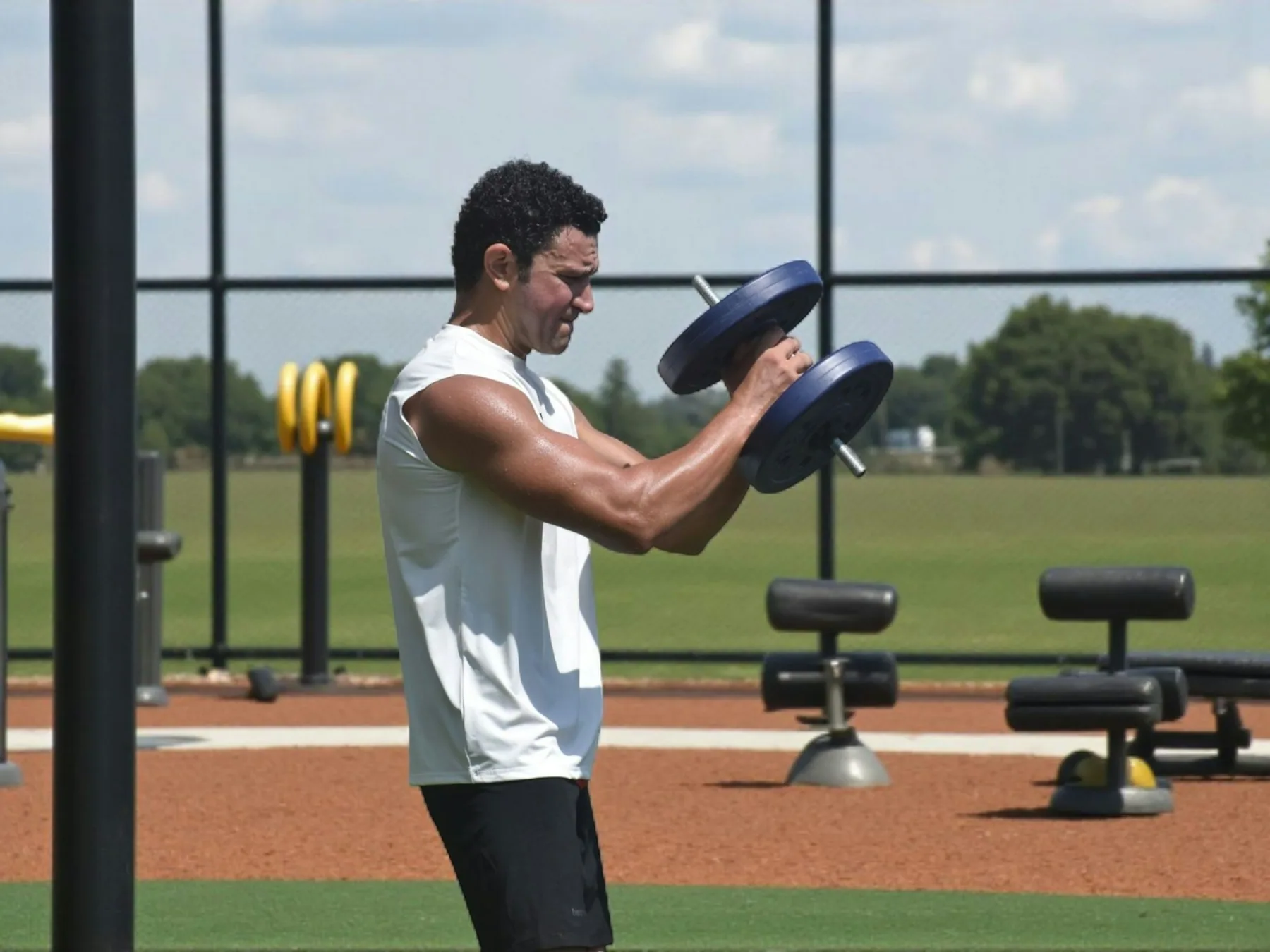
Your body cools by evaporating sweat off the skin. Fabric that spreads sweat over a wider area speeds that up. Fabric that holds it slows it down.
Why bare skin is not automatically cooler
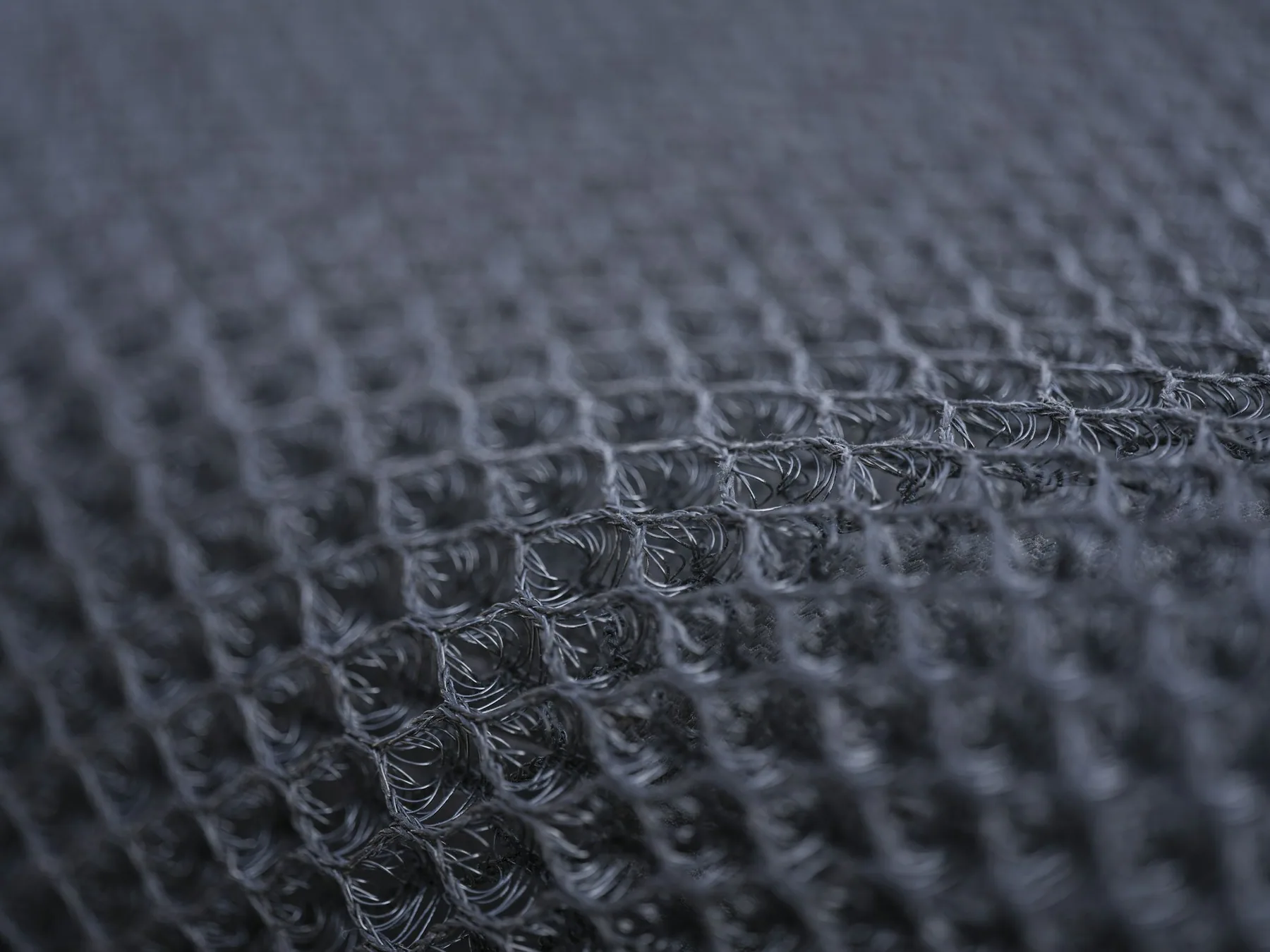
Sweat sitting in beads on bare skin evaporates slowly, because the surface area is small. A light, open knit wicks it outward and spreads it thin, which evaporates faster.
That is why a good technical vest can feel cooler than no shirt at all in still air. In moving air the gap narrows, which is why running shirtless feels fine and lifting shirtless in a windless gym does not.
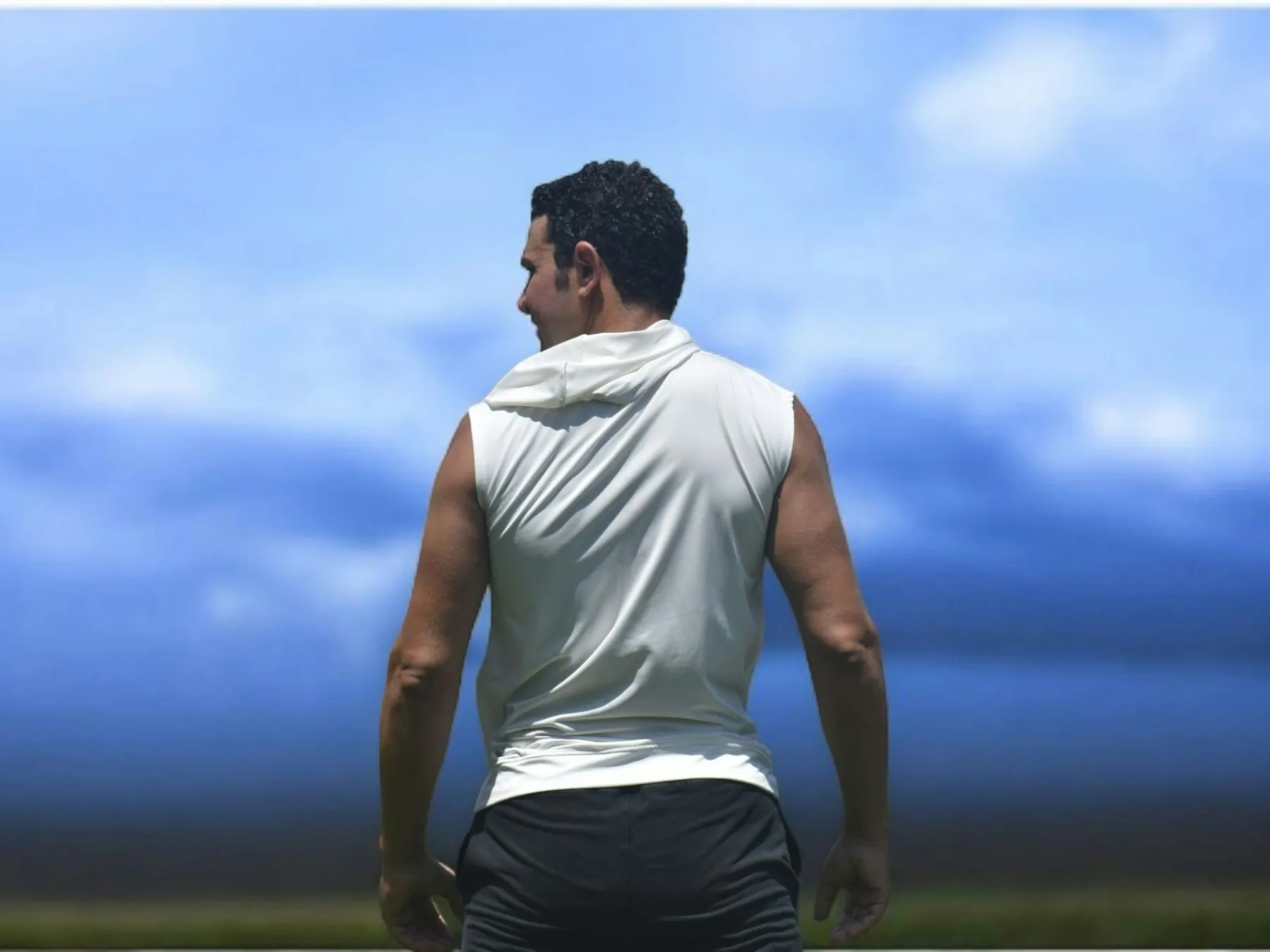
Spread the sweat and it evaporates fasterA thin shirt can cool you better than no shirt.
Fabric, in order of how well it copes
| Fabric | Wicking | Dry speed | Weight when wet | Verdict in heat |
|---|---|---|---|---|
| Light polyester mesh | Excellent | Fastest | Negligible | Best |
| Standard polyester | Very good | Fast | Low | Very good |
| Poly / cotton blend | Moderate | Moderate | Moderate | Acceptable |
| Bamboo viscose | Good | Slow | High | Comfortable, then heavy |
| Cotton | None — absorbs | Slowest | High | Worst |
Cotton is the clearest mistake. It holds sweat, gets heavy, and stops moving moisture entirely once saturated. The fabric that feels softest in the shop is the one that fails first in July.
The full fibre comparison sits in our workout t-shirt fabric guide, and the reason bamboo behaves the way it does is covered in the bamboo fabric guide.
Coverage versus exposure outdoors
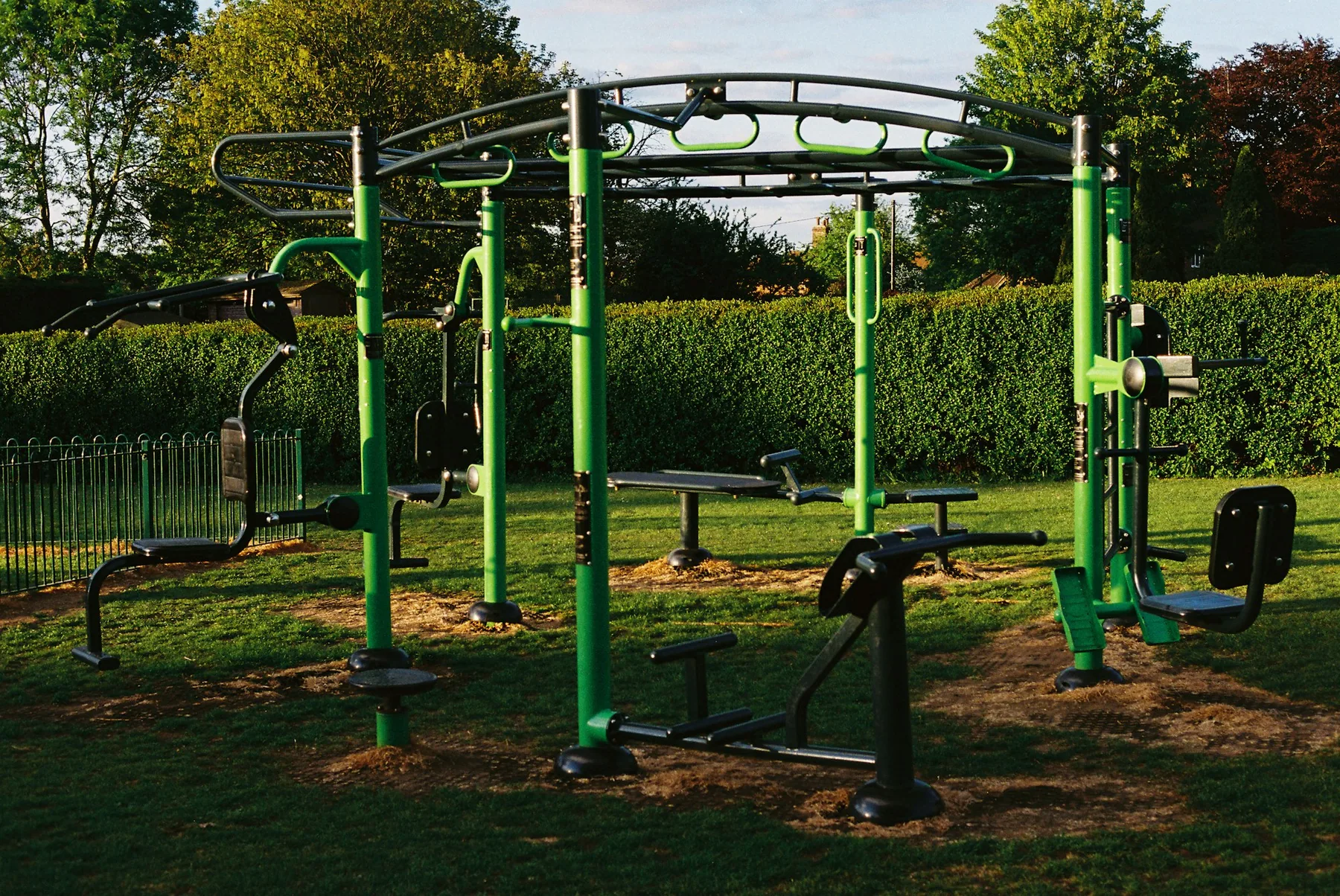
Indoors, less fabric is usually better. Outdoors the calculation changes, because the sun is now a heat source rather than just light.
- Shoulders burn first and are hardest to reach with sunscreen.
- A light long sleeve can be cooler than bare arms in direct sun.
- Pale colours reflect more than dark ones outdoors.
- A cap does more for perceived heat than any top.
Training in genuine heat is a safety question rather than a comfort one. Ready.gov’s extreme heat guidance is a sensible non-commercial reference for when to move a session indoors or shift it earlier.
Chafing gets worse in heat, not better
More sweat means more friction, and friction is what causes chafing. Shorter shorts reduce fabric-on-skin contact but increase skin-on-skin contact, which is the trade nobody mentions.
| Area | Why | Fix |
|---|---|---|
| Inner thigh | Skin on skin, constant | Longer inseam or a fitted liner |
| Underarm | Deep armholes plus sweat | Shallower armhole, flat seams |
| Waistband | Sweat pools at the band | Wider band, no gripper strip |
| Nipples | Repeated light contact on a run | Smoother knit, or tape |
The format that solves most of this is a two-piece short. Our guide to tight and compression shorts explains why the inner layer handles friction while the outer handles airflow.
Hydration changes what your kit has to do
This is not a nutrition guide, but there is a clothing consequence worth knowing: the more you sweat, the more salt ends up in the fabric.
Salt crystallises as kit dries, stiffens the fibres and accelerates wear on elastane. Summer kit needs washing sooner than winter kit, not later.
What to wear, by session
| Session | Top | Bottom | Note |
|---|---|---|---|
| Outdoor running | Light vest or short sleeve | 3–5 inch with liner | Cap and pale colours |
| Outdoor lifting | Sleeveless or cap sleeve | 7 inch | Shade between sets |
| Indoor lifting | Tank or light tee | 5–7 inch | Airflow beats coverage |
| Classes and HIIT | Light tee | 5 inch stretch | Anything longer flaps |
| Court sport | Light tee | 9 inch | Pockets matter less than airflow |
Where each short length sits is covered in our gym shorts length guide, and armhole depth for tanks is in the workout tank top guide.
Indoor gyms have their own problem
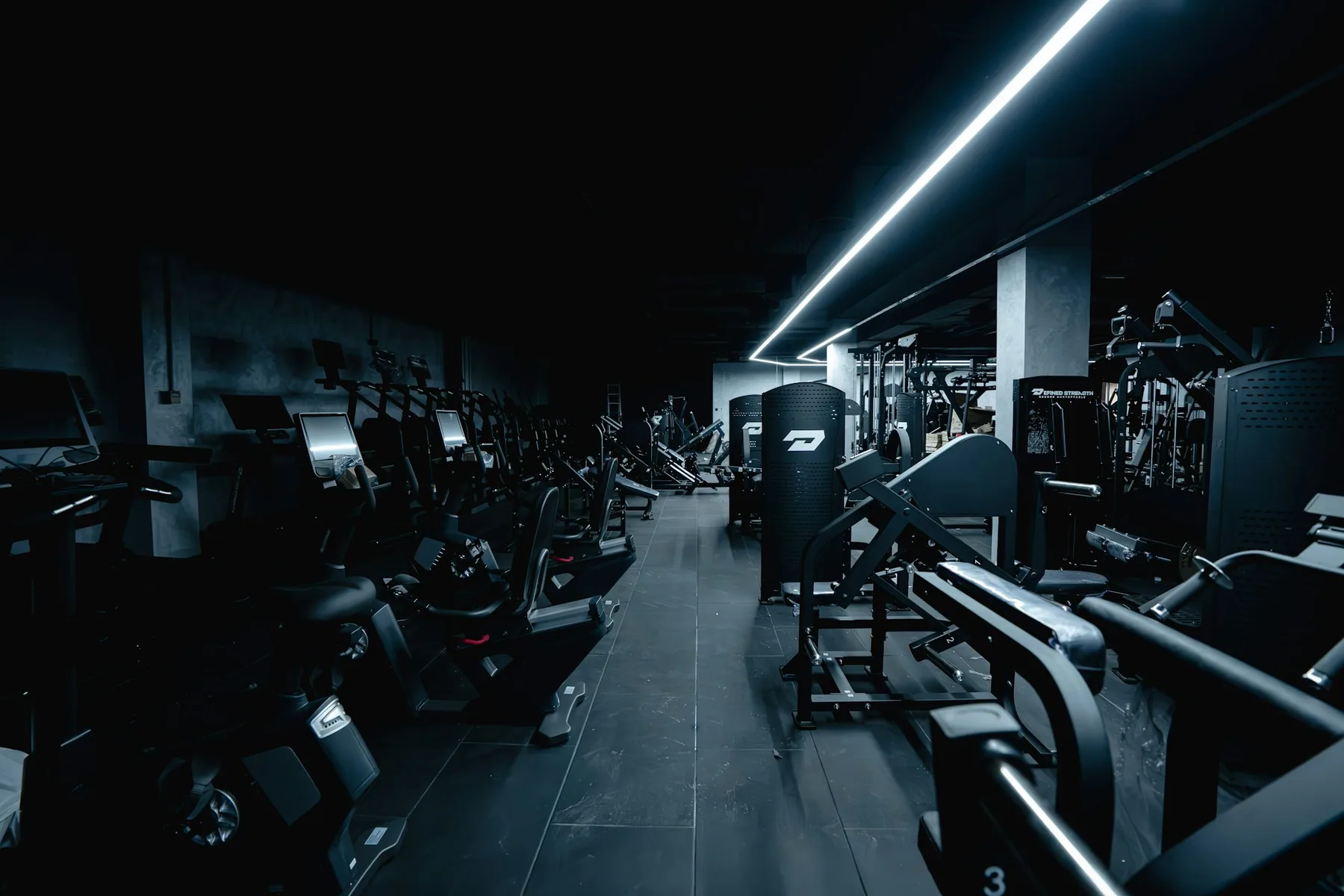
An air-conditioned gym is not the same as a cool one. Machines and bodies generate heat, and the corner furthest from the vents is often ten degrees warmer than the entrance.
- Bring a towel — it is usually required and always useful.
- Avoid heavy cotton; it will not dry before you leave.
- Take a dry top if you are going anywhere afterwards.
- Watch opacity — light fabric goes sheer when wet.
The practical move is to find where the air actually moves and train there. Most people default to the same corner every session without ever noticing it is the stillest part of the room.
Humidity changes the answer entirely
Dry heat and humid heat are different problems, and the kit that solves one can make the other worse.
In dry heat, sweat evaporates almost as fast as you produce it, so cooling works and the priority is simply getting air to the skin. In humid heat the air is already close to saturated, evaporation slows down, and sweat sits on you.
| Condition | What happens | Best kit | Avoid |
|---|---|---|---|
| Dry heat | Sweat evaporates fast | Light, open weave | Anything occlusive |
| Humid heat | Sweat sits on the skin | Minimal contact, loose cut | Close-fitting layers |
| Humid and still | Almost no evaporation | Loosest option you own | Compression |
| Humid and windy | Evaporation partly restored | Light technical top | Heavy cotton |
This is why compression is a poor choice in a humid gym. It holds fabric against the skin exactly where you need air moving, which is the opposite of what the cold-weather case wants from the same garment.
The short version
- Cooling is evaporation. Help it, do not block it.
- Light synthetics beat cotton and beat bare skin indoors.
- Outdoors, cover the shoulders and wear pale colours.
- Heat makes chafing worse — plan the inseam accordingly.
- Wash summer kit sooner; salt is what wears it out.
Washing salt-heavy kit properly is covered in our gym clothes care guide, and the winter counterpart to this piece is the cold-weather layering guide.
Wet weather is its own problem — our guide to training in the rain covers it.
A cap does more for perceived heat than any top — our headwear guide covers what each item actually does.
Frequently asked questions
What should you wear to the gym in hot weather?
Light synthetic fabrics that move sweat to the surface, in cuts that let air reach the skin: a tank or light tee with a 5 to 7 inch short suits most indoor sessions. Avoid cotton, which absorbs sweat, gets heavy and stops working once saturated.
Is it cooler to train shirtless?
Not always. Sweat beads on bare skin and evaporates slowly, while a light open knit spreads it thin and speeds evaporation up. In still air a technical vest often feels cooler than nothing. In moving air, and outdoors where sun exposure matters, the calculation changes.
What fabric is best for training in heat?
Light polyester or a polyester mesh. It wicks well, dries fastest and weighs almost nothing when wet. Bamboo viscose is comfortable at first but slow to dry and heavy once saturated, and cotton is the worst option in heat because it absorbs rather than moves moisture.
Should you cover up when training outdoors in summer?
Cover the shoulders. They burn first, they are hardest to reach with sunscreen, and in direct sun a light long sleeve can genuinely be cooler than bare arms because it blocks radiant heat. Pale colours reflect more than dark ones outdoors.
Why does my gym kit smell worse in summer?
More sweat means more skin oil in the fabric, and more salt left behind as it dries. Salt stiffens fibres and accelerates elastane wear, so summer kit needs washing sooner rather than later, and needs an enzyme detergent to shift the oils.