Layering Guide
Layering for Cold-Weather Training: What Comes Off and When
Layering advice is written for hiking, where you keep everything on. Training is the opposite problem: you are about to get hot, then stop suddenly and get cold.
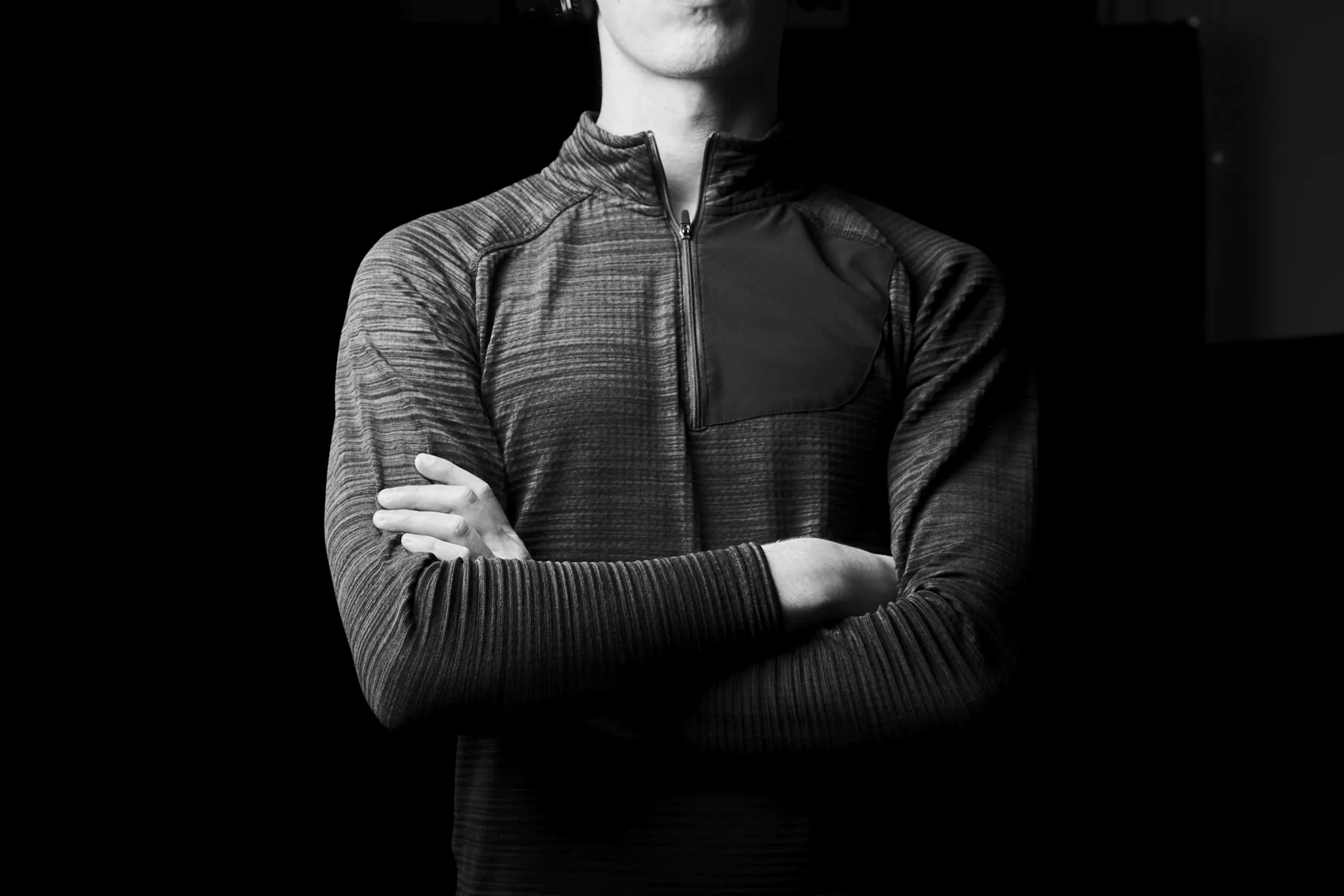
Three layers, each with one job. The skill is not in owning them — it is in knowing which one comes off, and when.
The base layer is the one that matters
Everything else is comfort. The base layer is the piece that decides whether you finish the session warm or shivering, because it controls what happens to sweat.
| Fabric | Wicking | Warm when damp | Odour | Verdict |
|---|---|---|---|---|
| Polyester | Excellent | Poor | Builds quickly | Best for short, hard sessions |
| Polypropylene | Excellent | Moderate | Builds quickly | Good, less common |
| Merino wool | Good | Excellent | Very low | Best for long or stop-start work |
| Cotton | None — absorbs | Dangerous | Low | Never, in cold |
Cotton is the one genuine mistake. It holds sweat against the skin and stops insulating entirely once wet, which is why cold-weather safety guidance from OSHA treats damp clothing as a risk factor rather than an inconvenience.
Which is fine mid-set and a problem the moment you stopA wet base layer is a cooling system you cannot switch off.
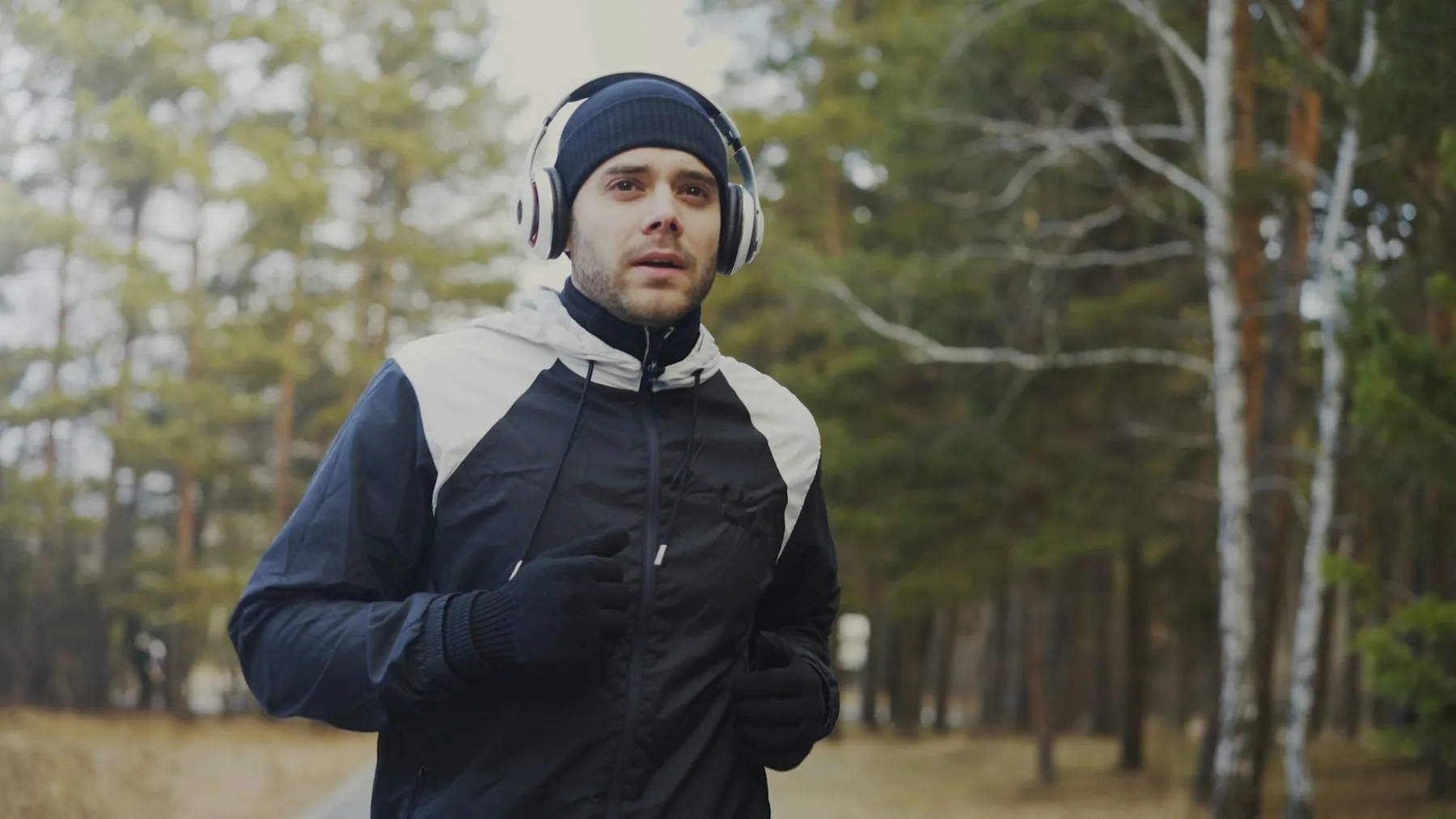
The mid layer, and when to lose it
The mid layer traps warm air. It is also the layer people leave on far too long, which soaks the base layer before the session has properly started.
| Option | Warmth | Bulk | Best for |
|---|---|---|---|
| Fleece | High | High | Standing around, very cold gyms |
| Full hoodie | Moderate | Moderate | The walk in, warm-ups |
| Sleeveless hoodie | Moderate at the core | Low | Warm-ups and pressing days |
| Long-sleeve tee | Low | Very low | Mildly cool gyms, all session |
The sleeveless hoodie is the one people misread. It keeps the core and head warm while leaving the shoulder free, which is why it survives into the first working sets when a full hoodie does not — our sleeveless hoodie guide covers sizing one over a base layer.

The outer layer only has to survive the walk
Unless you train outdoors, the outer shell is a commute garment. Judge it on wind resistance and how small it packs, not on insulation.
- Wind resistance matters more than waterproofing for short walks.
- Packability — if it does not fit in the bag it stays home.
- A hood is worth more than a heavier fabric.
- Full zip, so it comes off without disturbing the layers underneath.
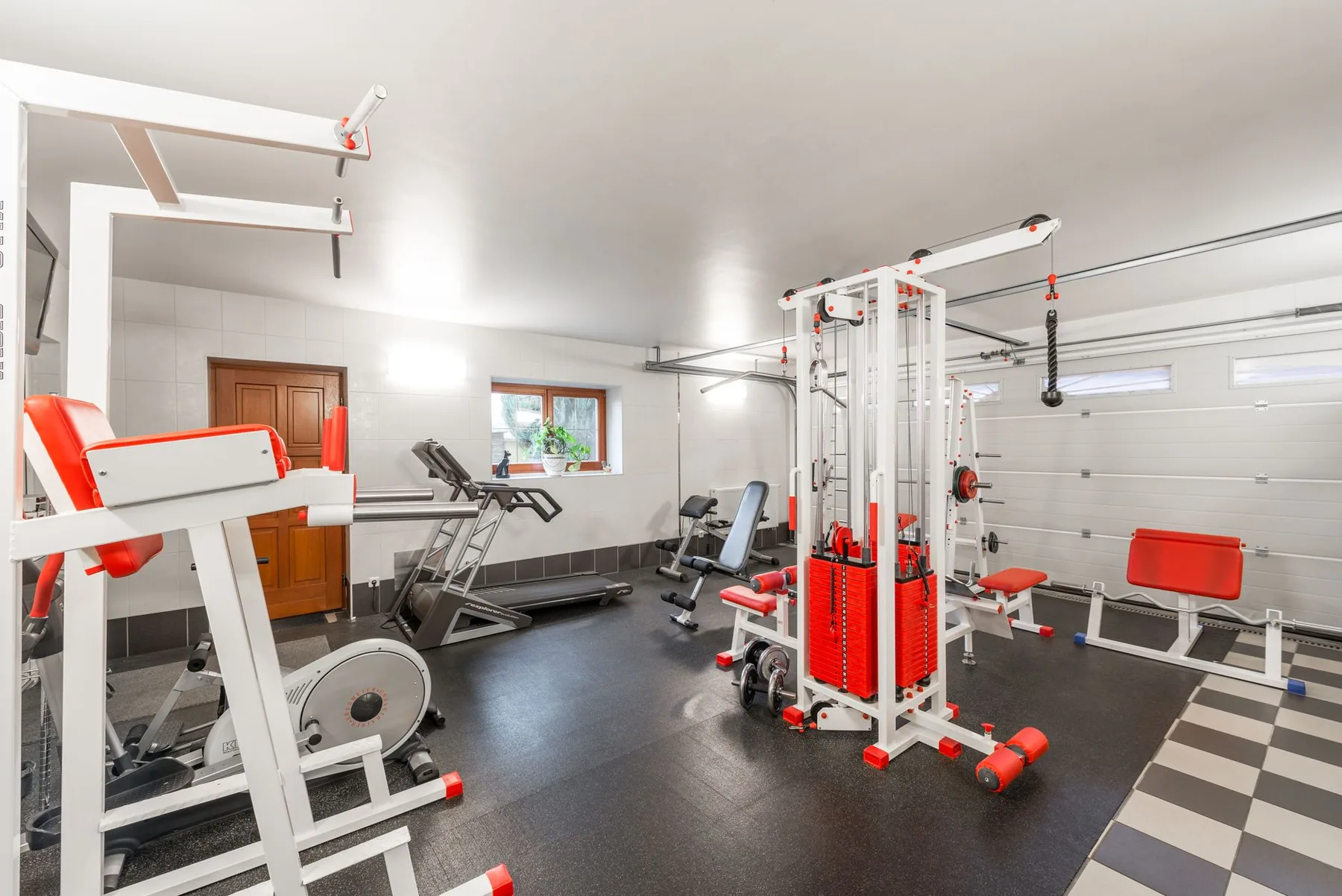
The sequence, in order
This is the part the outdoor guides get wrong for gym training, because they assume you stay at one effort level throughout.
- Arrive in all three. Shell off at the door.
- Warm up in the mid layer for the first five minutes only.
- Working sets in the base layer alone, before you are properly warm.
- Between sets, mid layer back on if the gym is genuinely cold.
- Finish, and change the base layer before you put anything back on.
That last step is the one almost everyone skips, and it is the one that matters most.
Extremities cost more heat than you think
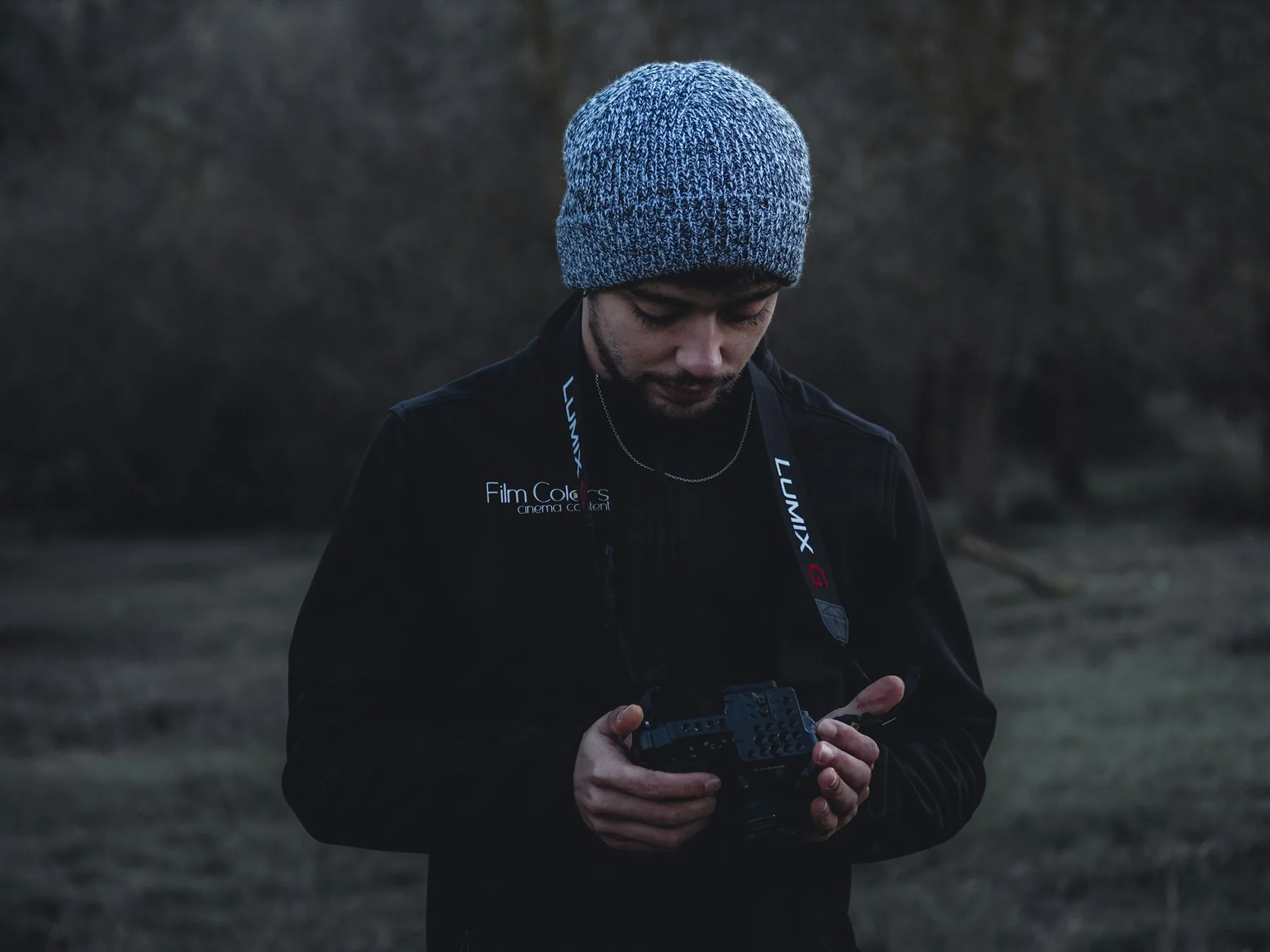
Hands, head and neck lose heat quickly and are cheap to cover. They are also the first things to make a session feel unpleasant.
| Item | When it earns its place | Note |
|---|---|---|
| Beanie | Outdoor work, cold garages | Comes off fastest when you warm up |
| Light gloves | The commute, barbell work in the cold | Thin enough to grip |
| Neck gaiter | Wind, outdoor running | Pull down rather than remove |
| Long socks | Cold floors, outdoor sessions | Cheapest warmth available |

After the session is the dangerous part
You stop producing heat the moment the last set ends, but your base layer is still wet and still evaporating. That is when people get genuinely cold.
- Change the base layer before adding anything over it.
- Keep a dry top in the bag through the cold months.
- Put the hood up for the walk out; a wet head cools fastest.
- Do not sit in damp kit in a car with the heating on.
Damp kit in a sealed bag is also the fastest way to ruin it, for reasons the gym clothes care guide sets out.
The mistakes that actually cost you
Almost everyone who ends a winter session cold has made one of these, and none of them are about owning the wrong jacket.
| Mistake | What happens | Fix |
|---|---|---|
| Cotton base layer | Holds sweat, stops insulating | Synthetic or merino only |
| Overdressing on arrival | Sweating before the warm-up ends | Arrive slightly cold |
| Keeping the mid layer on | Base layer soaked by set three | Strip after five minutes |
| No dry top for afterwards | Cooling all the way home | Keep one in the bag |
| Layers that need removing overhead | You leave them on | Full zips |
Arriving slightly cold is the counter-intuitive one. If you are comfortable standing still in the car park, you are overdressed for the first ten minutes of moving, and you will pay for it later in a wet base layer.
What this costs to assemble
Fewer pieces than most layering guides suggest, because you are not out for six hours.
One or two base layers, one mid layer, one shell, and a beanie covers a winter. How that fits into the rest of your kit is in our guide to how many gym clothes you need, and the base-layer fit question is covered in the compression guide.
Buy the base layer first and the shell last. The base layer is the piece doing the actual work, and a cheap shell that packs down small will outperform an expensive one that stays at home because it will not fit in the bag.
The summer counterpart to this piece is our guide to training in heat.
Frequently asked questions
How should I layer for training in cold weather?
Three layers, each with one job. A close-fitting synthetic or merino base layer moves sweat off the skin, a mid layer such as a hoodie or fleece traps warm air, and an outer shell blocks wind and rain. Indoors, the shell comes off at the door and the mid layer comes off after about five minutes of warming up.
Can you wear cotton as a base layer in cold weather?
No. Cotton absorbs sweat rather than moving it, stays wet against the skin and stops insulating once damp. Cold-weather safety guidance treats wet clothing as an active risk factor. Use polyester for short hard sessions or merino wool for longer, stop-start work.
Should you keep a hoodie on while lifting in a cold gym?
Only through the warm-up. Leaving it on into the working sets soaks the base layer early, which then cools you for the rest of the session. A sleeveless hoodie is a useful middle ground because it keeps the core warm without putting a sleeve seam over the shoulder during pressing.
What should I do straight after training in the cold?
Change out of the wet base layer before putting anything else on. You stop producing heat as soon as the last set ends, but the damp layer keeps evaporating and cooling you. A dry top in the bag through winter makes more difference than a heavier jacket.
How many base layers do I need?
One or two is enough for most people, alongside one mid layer and one shell. Base layers dry quickly, so a single spare covers back-to-back sessions. The bigger constraint is having a dry top to change into afterwards rather than owning more layers.