Kit Guide
How Many Gym Clothes Do You Actually Need?
The usual answer is “sessions per week plus one”. That is a reasonable starting point and a poor finishing one, because it ignores how fast your kit dries and how quickly it starts to smell.
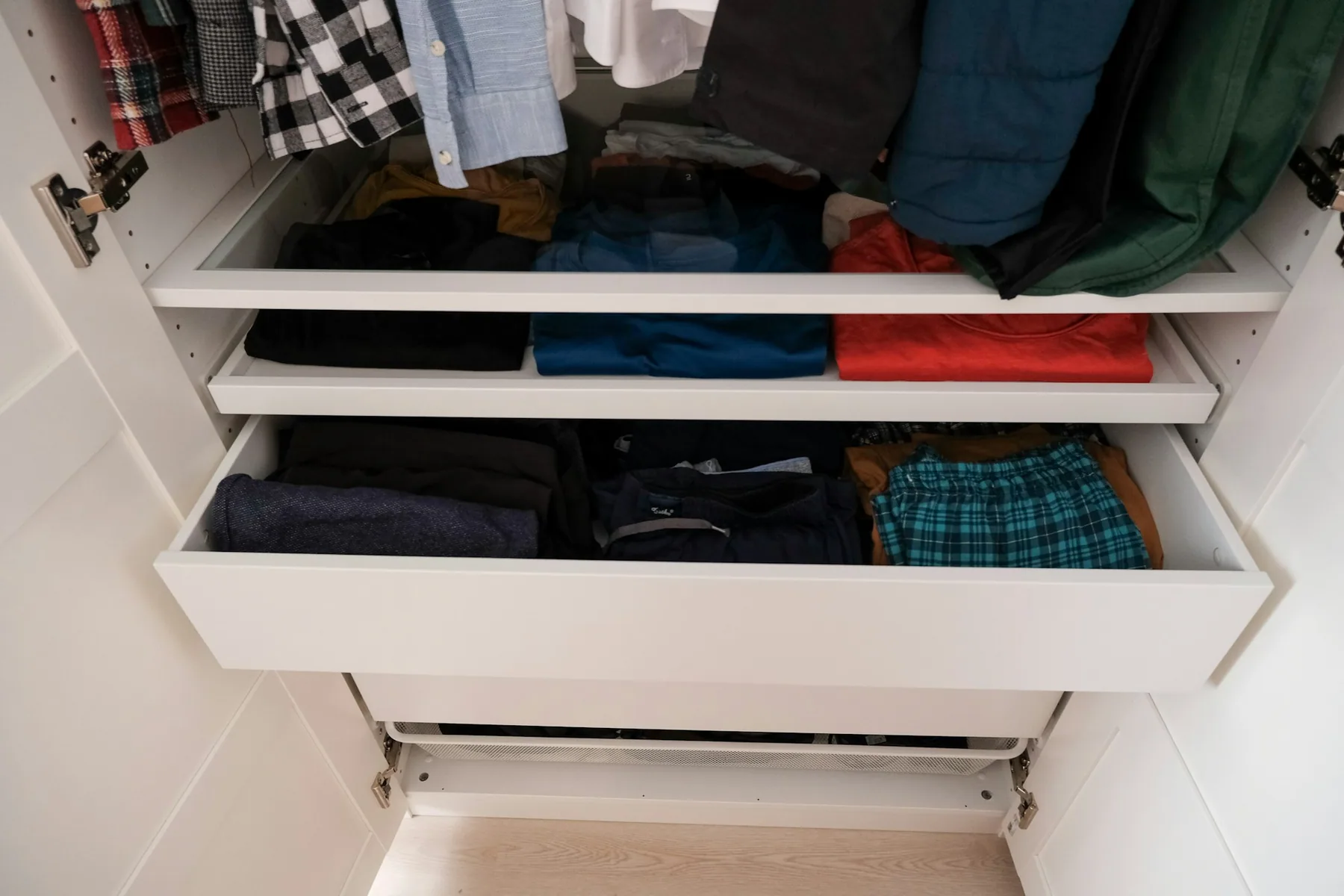
Two things set the number: how often you train, and how long it takes a garment to be ready again. Everything else is preference.
Start from how often you actually train
Not how often you intend to. The adult activity guidance from ODPHP works out at roughly three to five sessions a week for most people, which is the range worth planning kit around.
| Sessions / week | Tops | Bottoms | Wash cadence |
|---|---|---|---|
| 2–3 | 4 | 3 | Once a week |
| 4–5 | 6 | 4 | Once a week, or two smaller loads |
| 6–7 | 8 | 5 | Twice a week |
| Two-a-days | 10+ | 6 | Twice a week, plus same-day drying |
Tops always outnumber bottoms. A t-shirt absorbs far more sweat than a pair of shorts does, so it reaches the wash basket faster.
The bottleneck is drying time, not session countBuy for your laundry habits, not your training plan.
Drying time is the real constraint
A garment is out of rotation from the moment it comes off until it is dry. That window varies enormously by fabric, and it is what actually decides how many sets you need.
| Fabric | Air dry | Notes |
|---|---|---|
| Lightweight polyester | 2–4 hours | Can turn around same day |
| Mid-weight performance knit | 4–8 hours | Overnight is comfortable |
| Poly / cotton blend | 8–12 hours | Needs a full night |
| Heavy cotton | 12–24 hours | Effectively a two-day cycle |
| Bamboo viscose | 8–16 hours | Dry flat; it stretches when wet |
If everything you own is heavy cotton, you need more of it. Our workout t-shirt fabric guide covers what each fibre does with moisture, and the bamboo fabric guide explains why that one needs different handling.
What a complete training wardrobe holds
Most people over-buy tops and under-buy the pieces that make cold or wet sessions bearable.
| Item | How many | Why that number |
|---|---|---|
| Training tops | Sessions + 1 | Highest sweat load, fastest to the basket |
| Shorts | 3–4 | Absorb less; can often go two sessions |
| Long bottoms | 1–2 | Cold months and rest-day travel |
| Base layer | 1–2 | Cold gyms, outdoor work |
| Sleeveless / tank | 2–3 | Hot months, pressing days |
| Hoodie or mid layer | 1–2 | Warm-ups and the walk there |
| Training shoes | 1–2 pairs | Two pairs doubles the life of both |
Two pairs of shoes alternated genuinely last longer than one pair worn daily, because the midsole foam needs time to decompress between sessions.
Rotation makes kit last longer than buying more
A shirt worn every session ages roughly three times faster than one in a three-way rotation. Elastane recovers between wears; worn daily it never gets the chance.
- Rotate by position in the drawer — washed items go to the bottom, so the pile self-rotates.
- Retire graphics first — printed panels crack before the fabric wears out.
- Keep one good set aside for days you want to feel put together.
- Do not hoard worn-out kit; a drawer of shapeless shirts is not a wardrobe.
Building it without buying everything at once
If you are starting from nothing, the order matters. Some pieces unlock training immediately; others only matter in specific conditions.
- Three performance tops and two pairs of shorts. That is a week.
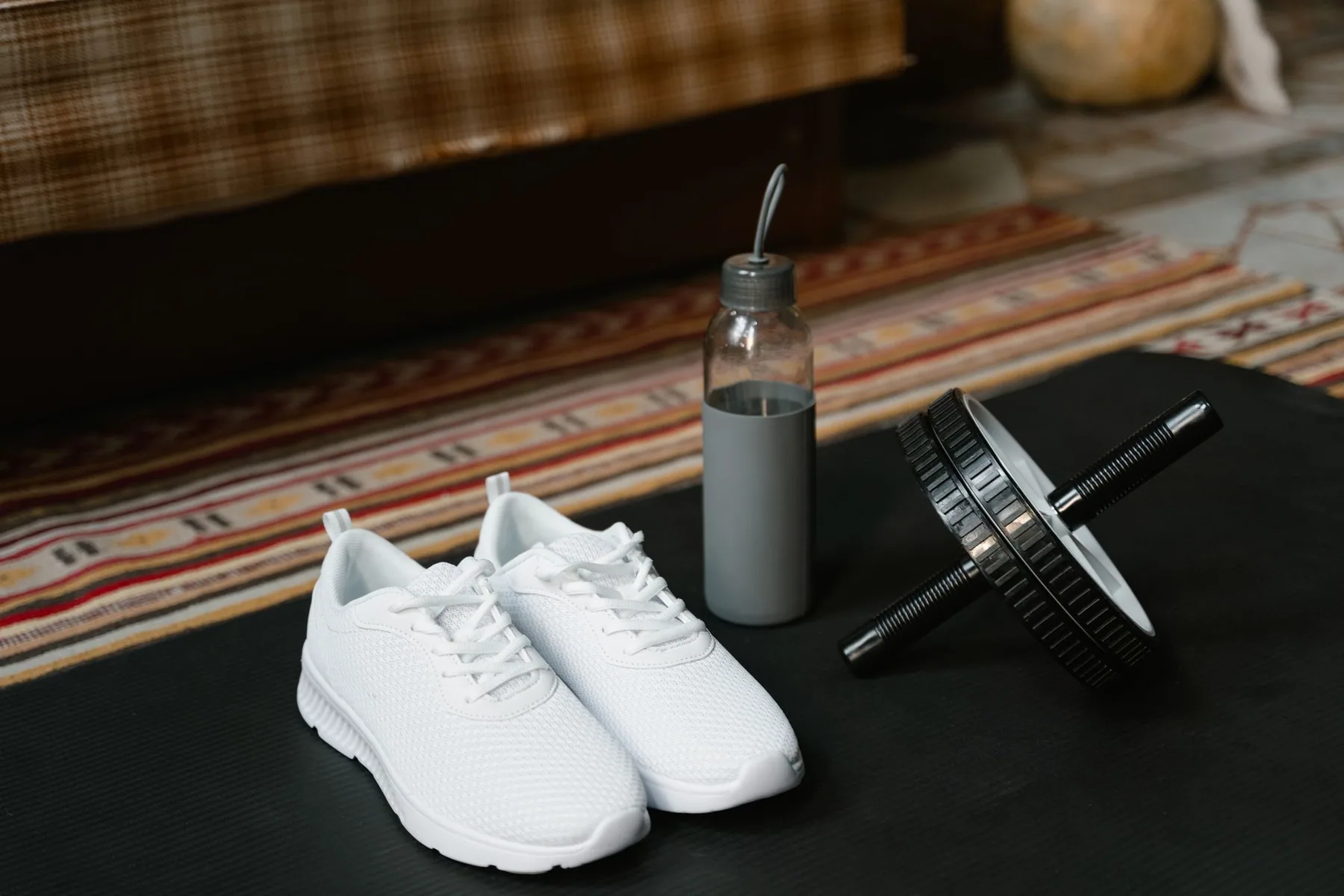
- One pair of training shoes that suit what you actually do.
- A hoodie or mid layer for arriving and warming up.
- Add a base layer when the weather turns.
- Fill out tops last — that is where the count grows fastest.
What suits your sessions is covered in more detail in our gym shorts length guide and the tight and compression shorts guide.
The things worth spending more on
Not everything rewards a higher price. Some items are effectively consumable.
| Item | Worth paying for | Why |
|---|---|---|
| Shoes | Yes | Structure and cushioning are hard to fake |
| Base layer | Yes | Fit and seam quality decide whether it chafes |
| Shorts | Sometimes | Waistband and inner seam are what fail |
| Plain training tops | Rarely | Fabric weight matters more than brand |
| Graphic tops | Rarely | The print is the first thing to go |
The pattern behind that table is simple: pay for the things that are engineered and skimp on the things that are only cut and sewn. A midsole, a compression panel and a flatlock seam are difficult to make well cheaply.
A plain jersey t-shirt is not. Two tops at very different prices can come off the same knitting machine, and the more expensive one is often paying for a logo rather than a fabric.
Knowing when something is finished
Most people keep training kit long past the point it does its job, which quietly inflates how much they think they need.
| Sign | What it means | Action |
|---|---|---|
| Waistband no longer grips | Elastane has degraded | Replace — it will not recover |
| Fabric stays sheer when stretched | The knit has thinned | Replace |
| Odour survives a proper wash | Oils are set into the fibre | Strip once, then replace |
| Print cracked across the panel | Cosmetic only | Keep for training, retire from public |
| Seams puckering | Thread tension has gone | Keep until it opens |
A useful way to think about cost is per session rather than per item. A top worn twice a week for two years is roughly two hundred sessions, which makes even an expensive piece cheap and a shapeless one that sits in a drawer expensive.
Keeping it in rotation
The fastest way to need more kit is to ruin what you have. Heat is what kills elastane, and synthetics hold odour until the oils are removed rather than masked.
The full routine is in our guide to washing gym clothes, which covers why a normal cycle leaves the smell behind and what to do about it.
What to keep permanently in the bag, as opposed to in the wardrobe, is in our gym bag essentials guide.
Where price does and does not buy performance is covered in our guide to what price actually buys, and the starting point is in our first gym kit guide. Filling out the rotation cheaply is possible for some items and unwise for others, which our guide to buying second-hand training kit sets out.
Frequently asked questions
How many gym outfits do I need?
A practical rule is your number of weekly sessions plus one, so four sets if you train three times a week. Adjust upward if your kit is heavy cotton or you only do laundry once a week, because the real constraint is how long a garment takes to dry rather than how often you train.
How many gym shirts should I own?
More than you own shorts. Tops absorb far more sweat, so they reach the wash basket after every session while shorts often manage two. Six tops and four pairs of shorts covers five sessions a week comfortably.
Can you wear gym shorts twice before washing?
Usually yes, if they are a synthetic that dried fully and the session was not especially sweaty. Tops are different: they sit against the areas that sweat most, and in polyester the skin oils that cause odour build up quickly.
Is it better to buy more cheap gym clothes or fewer good ones?
It depends on the item. Shoes and base layers reward spending, because structure, fit and seam placement are difficult to do cheaply. Plain training tops mostly do not: fabric weight and fibre content matter far more than the label.
How do I make gym clothes last longer?
Rotate them rather than wearing a favourite every session, wash cool and inside out, and never tumble dry anything with elastane in it. A garment in a three-way rotation lasts roughly three times as long as one worn daily, because the stretch fibres get time to recover.