Kit Guide
Gym Bag Essentials: What Lives There and What Goes In Each Time
Most gym bag lists are the same eight items. The useful question is not what to own — it is what stays in the bag between sessions and what does not.
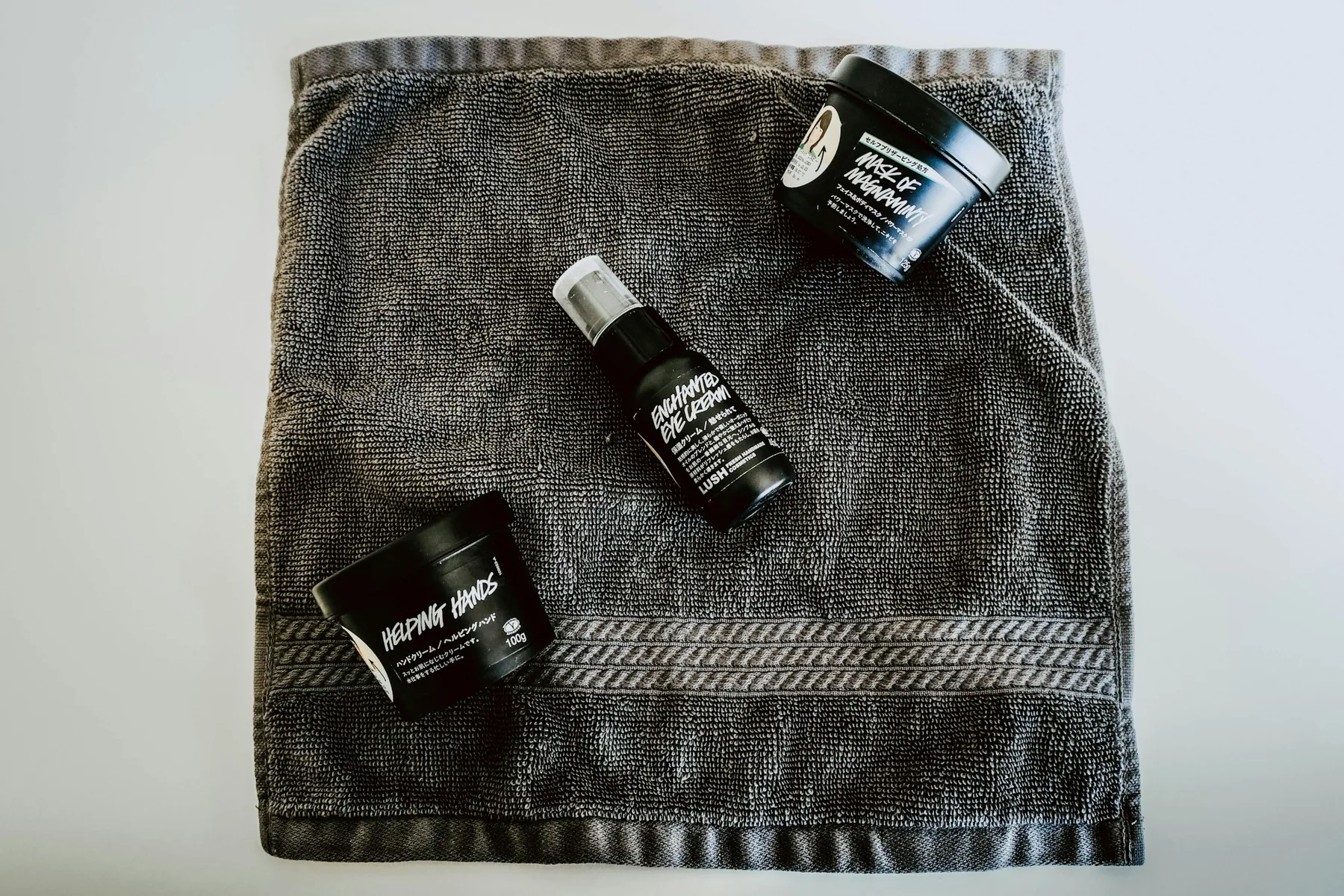
Split everything into two piles. A permanent pile that lives in the bag and gets topped up, and a session pile that goes in fresh each time.
The permanent pile
These stay in the bag and get replaced when they run out. If you have to remember them, you will eventually forget them.
| Item | Why permanent | Replace when |
|---|---|---|
| Padlock | Useless at home | It stops closing |
| Small towel | Required by most gyms | It stops drying between sessions |
| Deodorant | Travel size, no reason to carry back | Empty |
| Plasters | Torn hands and blisters | Used |
| Spare hair tie or headband | Weighs nothing | Lost |
| Lifting straps or wraps | Only used at the gym | Fraying |
| Dry bag or plastic pouch | For wet kit | Torn |
| Spare socks | The most commonly forgotten item | Used |
That is what the permanent pile is forIf you have to remember it, you will forget it.
The session pile
Four things, packed clean each time. Everything else is either already in the bag or not needed.
- Training top — the item with the heaviest sweat load.
- Shorts or bottoms.
- Socks and underwear, including a dry pair for afterwards.
- A dry top to change into if you are going anywhere after.
How many sets of these you should own, and why drying time decides the number, is covered in our guide to how many gym clothes you need.
Damp kit is what ruins a bag
A sealed bag with a wet shirt in it is a warm, dark, humid box. Bacteria multiply, the smell transfers to everything else, and the bag itself starts to hold odour permanently.
| Situation | Do this | Not this |
|---|---|---|
| Straight home | Take it out within the hour | Leave it until tomorrow |
| Going elsewhere first | Seal it in a dry bag | Loose in the main compartment |
| Overnight travel | Air dry it in the room | Repack it damp |
| Bag already smells | Wash the bag, air it open | Mask it with spray |
The mechanism behind that smell, and how to strip it out of synthetics, is in our gym clothes care guide. Shared-facility hygiene generally is covered by NSF’s consumer resources, which is a non-commercial standards body rather than a brand.
Shoes are the awkward item
They are the bulkiest thing in the bag, the dirtiest, and the one most likely to make everything else smell.
- Keep them in their own compartment or a separate bag.
- Loosen the laces so they dry between sessions.
- Two pairs alternated last longer than one worn daily.
- Never store them damp against clothing.
The bag itself
Most people buy on capacity. Capacity is the least important feature after the first week.
| Feature | Why | Watch for |
|---|---|---|
| A separate wet or shoe pocket | Keeps damp away from clean kit | Pockets that are not actually sealed |
| A wide opening | You can see everything at once | Narrow tube openings |
| Washable lining | The bag will eventually smell | Bonded linings that cannot dry |
| Comfortable strap | You carry it more than you use it | Thin webbing that digs in |
| Structure when empty | It stands up in a locker | Bags that collapse |
Accessories worth carrying
Short list, and it depends entirely on what you train. Most of what gets sold as essential is not.
| Item | Worth carrying if | Skip if |
|---|---|---|
| Lifting straps | You pull heavy and grip fails first | You train mostly cardio |
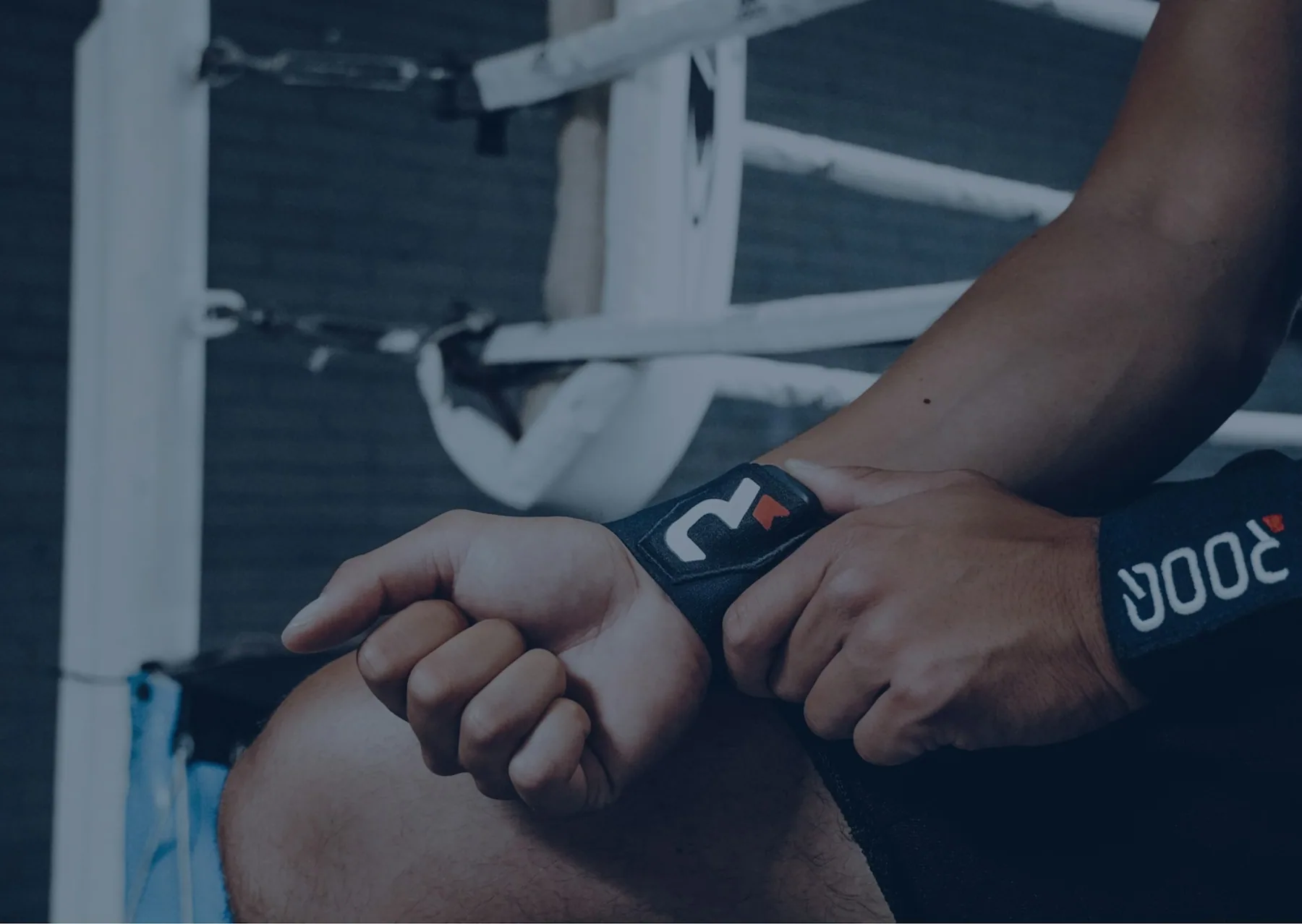
| Wrist wraps | You press heavy overhead | You do not |
| Knee sleeves | You squat heavy or train cold | You do neither |
| Resistance band | You warm up shoulders | You warm up on machines |
| Belt | You lift near maximal | You are still learning the lifts |
Our custom design collection includes lifting straps alongside the apparel, if that is the gap in your bag.
The gym-to-work version
Training before work, or straight after it, turns a simple bag into a logistics problem. The kit does not change much; the sequencing does.
| Going | Pack | The thing people forget |
|---|---|---|
| Gym then work | Work clothes rolled, not folded | Shoes for the office |
| Work then gym | Kit packed the night before | A dry top for the journey home |
| Gym then out | One casual layer | Deodorant, not fragrance over sweat |
| Travelling | Kit in a sealed pouch | Something to dry it on |
Rolling rather than folding is the one genuinely useful trick: it takes less room and creases far less, which matters when the alternative is arriving in a shirt that has been compressed under a pair of trainers.
Which pieces survive being worn afterwards is covered in our guide to wearing training kit outside the gym.
One habit does more than any product on this page: unpack the bag the moment you get home, every time. It takes under a minute, it removes the damp kit before anything grows in it, and it forces you to notice when the permanent pile needs topping up.
The people who complain their bag smells are almost always the people who leave it by the door until the next session. The bag is rarely the problem.
The short version
- Keep a permanent pile in the bag and top it up.
- Pack four things fresh each session.
- Get damp kit out the same day, every time.
- Give shoes their own space.
- Buy the bag for its pockets, not its capacity.
Frequently asked questions
What should you keep in a gym bag?
Split it in two. A permanent pile that lives there: padlock, small towel, deodorant, plasters, lifting straps if you use them, a dry bag for wet kit and spare socks. Then a session pile packed fresh each time: top, bottoms, socks and underwear, plus a dry top if you are going somewhere afterwards.
How do you stop a gym bag from smelling?
Get damp kit out the same day and never seal a wet shirt in overnight. Use a separate dry bag or pouch for anything wet, keep shoes in their own compartment, and wash the bag itself periodically. Masking the smell with spray leaves the bacteria and the oils that feed them in place.
Should you keep shoes in your gym bag?
Only in a separate compartment or their own bag. Shoes are the bulkiest and dirtiest item and transfer smell to clothing faster than anything else. Loosen the laces so they dry between sessions, and never store them damp against clean kit.
What size gym bag do you need?
Smaller than most people buy. Capacity matters far less than having a sealed wet or shoe pocket, a wide opening you can see into, and a lining that can be washed. A bag that stands up on its own is also considerably easier to use in a locker.
Do you need lifting straps and wraps?
Only if your training calls for them. Straps help when you pull heavy and your grip fails before the target muscle does. Wrist wraps help when you press heavy overhead. If you train mostly cardio or are still learning the lifts, both are weight you carry and never use.