
Care Guide
Why Gym Clothes Smell After Washing, and How to Fix It
A shirt that smells clean in the drawer and turns the moment you warm up has not been washed properly. The problem is oil, not sweat — and detergent alone does not remove it.
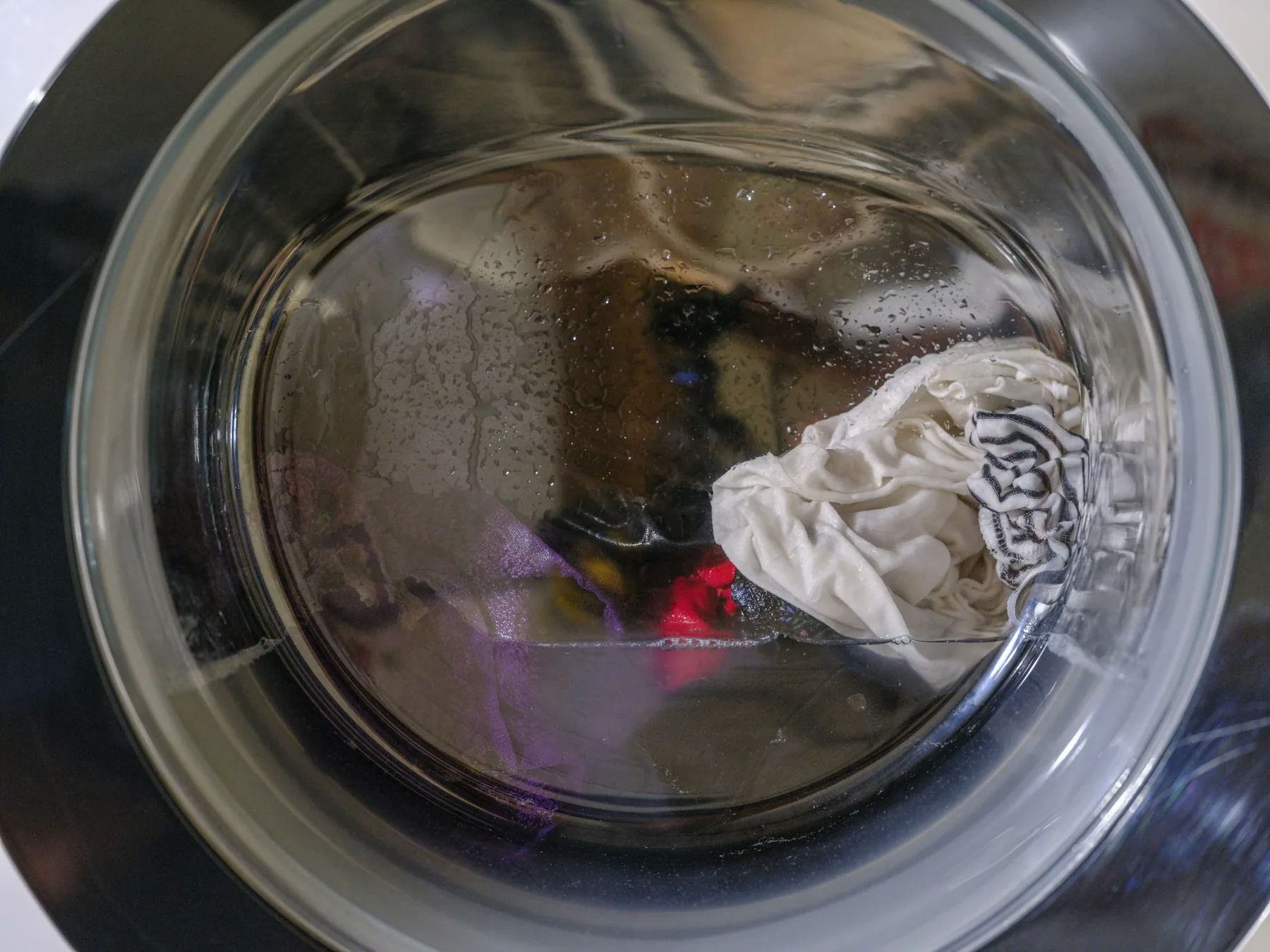
Two things go wrong with training clothes: they hold odour, and they lose their stretch. Both have specific causes, and both are fixable.
Why polyester holds the smell
Sweat is nearly odourless. The smell comes from bacteria breaking down skin oils and the compounds that result. Cotton absorbs water and releases it in the wash; polyester does the opposite.
Polyester fibres are hydrophobic and oleophilic — they repel water and attract oil. Skin oils bind to the fibre surface, and a water-based wash cycle struggles to lift them off.
| Fibre | Attracts oil | Releases oil in the wash | Odour over time |
|---|---|---|---|
| Cotton | Low | Readily | Stays low |
| Polyester | High | Poorly | Builds up |
| Nylon | High | Poorly | Builds up |
| Merino wool | Low | Readily | Very low |
| Poly / cotton blend | Moderate | Moderate | Slower build-up |
Which is why a normal cycle leaves the smell behindYou are not washing out sweat. You are trying to wash out oil.
The routine that works
None of this needs a special product. It needs the right order and a cooler cycle than most people use.
- Turn everything inside out — the oils are on the inner face.
- Wash within a day; a damp bag multiplies bacteria.
- Use an enzyme detergent containing lipase, and use less of it.
- Wash cool, around 30°C, on a longer cycle rather than a hotter one.
- Air dry. Never tumble dry technical fabric.
Detergent choice is the one place a product decision matters. The EPA’s Safer Choice programme lists detergents screened for their ingredients, which is a more useful filter than the marketing on the bottle.
Rescuing kit that already smells
Once oils have built up, a normal wash will not shift them. The fix is a soak that breaks the oil down before the cycle starts.
| Method | How long | What it targets | Notes |
|---|---|---|---|
| White vinegar, 1:4 with cold water | 30 min | Oils and bacteria | Cheapest and usually enough |
| Enzyme pre-treatment | 1–2 hr | Oil specifically | Enzymes need time to work |
| Oxygen booster in the drum | Full cycle | Residue and staining | Add to the drum, not the drawer |
| Laundry sanitiser | Per cycle | Bacteria only | Does nothing about the oil itself |
Chlorine bleach is the one to avoid. It damages elastane and can yellow synthetic fibre, and it does not solve the underlying oil problem.
Heat is what kills the stretch
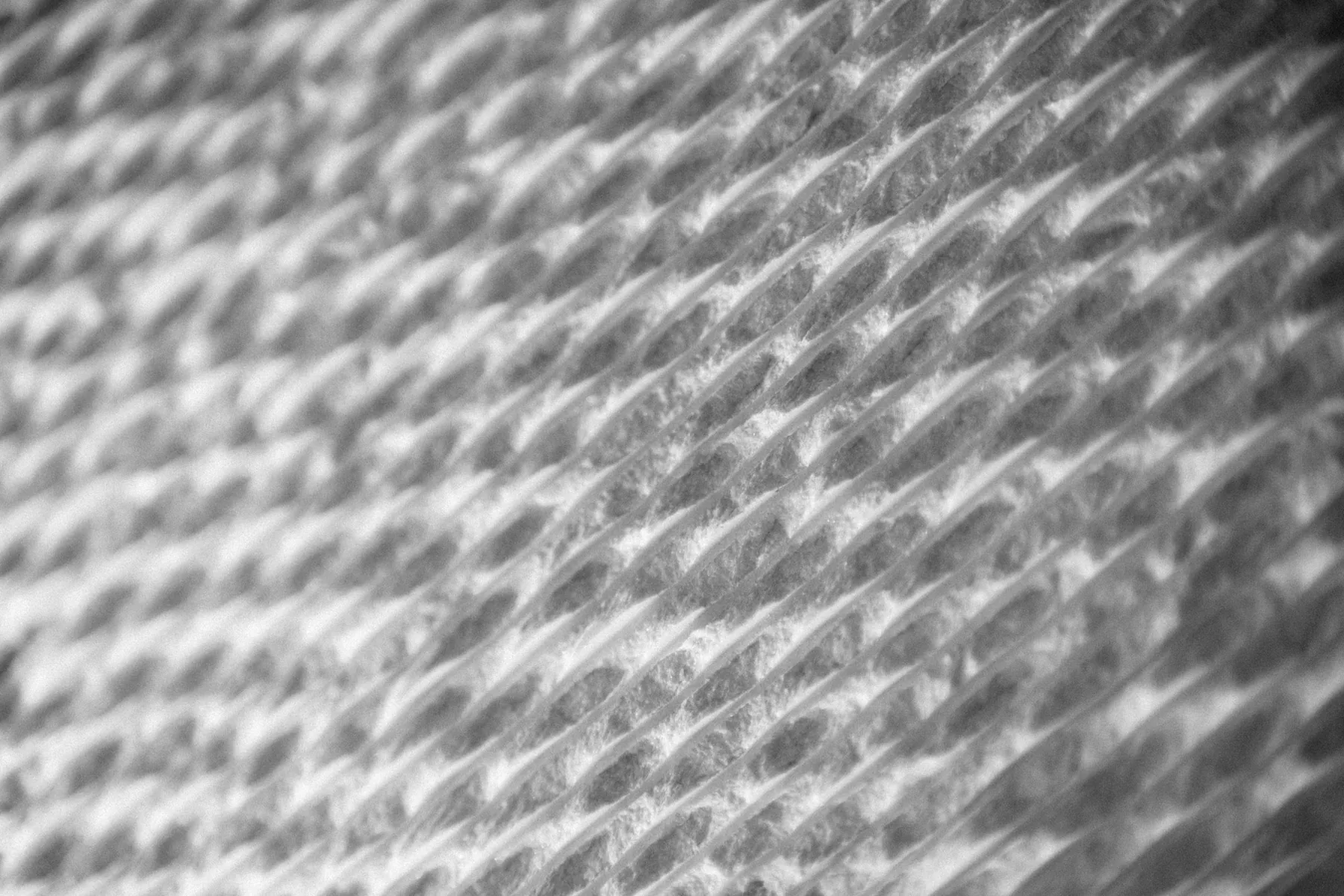
Elastane gives training clothes their recovery. It is also the most fragile component, and heat degrades it faster than anything else.
| Cause | Severity | Fix |
|---|---|---|
| Tumble drying | Severe | Air dry, always |
| Hot washes | High | Wash at 30°C or cooler |
| Fabric softener | Moderate | Skip it entirely |
| Drying on a radiator | Moderate | Dry away from direct heat |
| Chlorine | High | Rinse swimwear immediately |
This is why a compression short usually stops compressing long before the fabric wears through — our guide to tight and compression shorts covers what that failure looks like in use.
Care by fabric
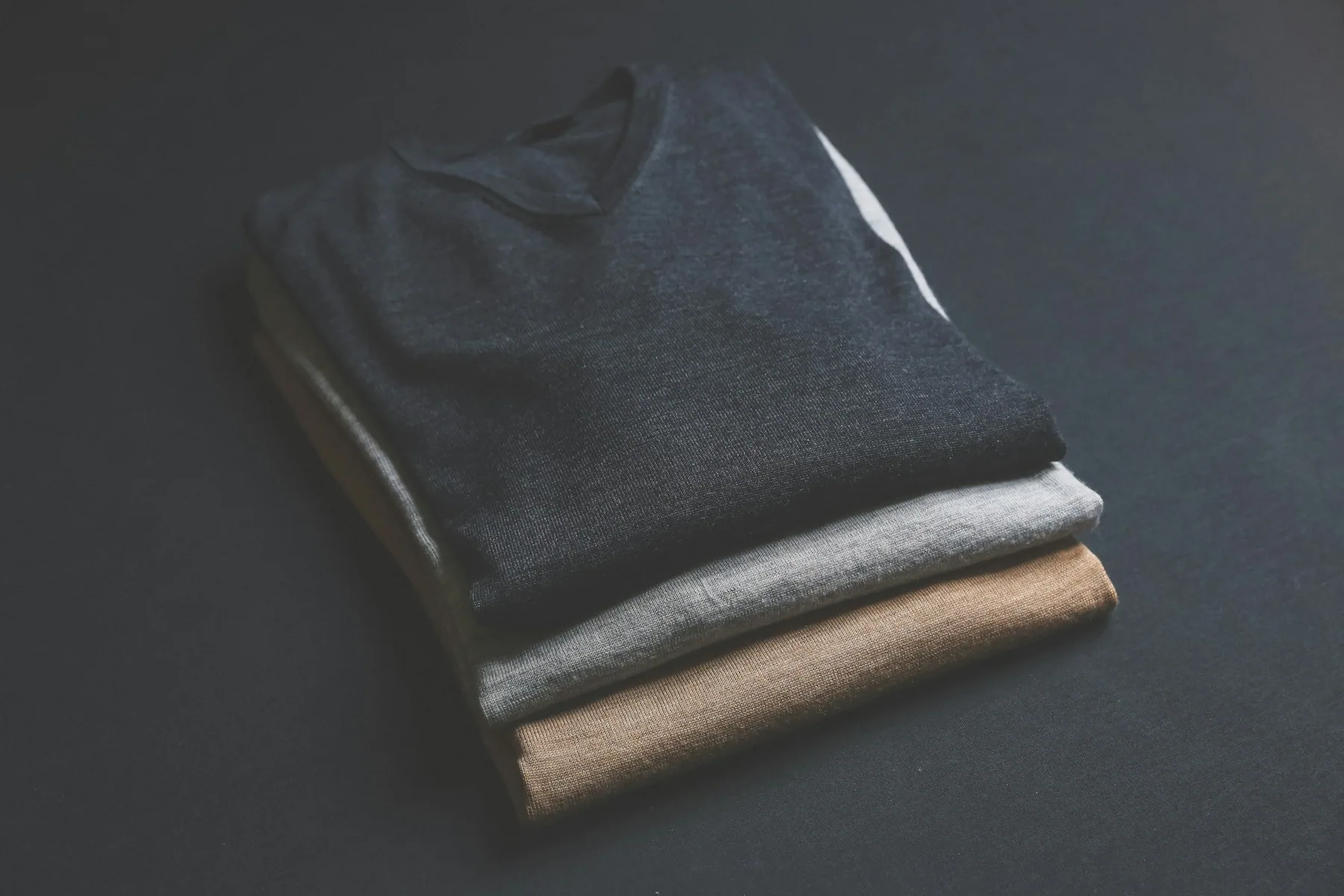
The rules shift a little depending on what a garment is made of.
| Fabric | Temperature | Dry | Watch for |
|---|---|---|---|
| Polyester performance | 30°C | Air | Odour build-up |
| Cotton and cotton blends | 30–40°C | Air or low | Shrinkage, slow drying |
| Bamboo viscose | Cold, gentle | Air, flat | Thinning after repeated washes |
| Elastane blends | Cold | Air only | Loss of recovery |
| Printed graphics | Cold, inside out | Air | Cracking on the print |
Bamboo is the one most people get wrong. The bamboo fabric guide explains why it thins with washing, and the workout t-shirt fabric guide covers how print method changes what a garment can survive.
Drying conditions matter as much as the method. Technical fabric dries fast, so a rack in a ventilated room will usually finish overnight; a damp, closed room leaves it slightly wet, and that is where the smell starts again.
Sometimes the machine is the problem
If freshly washed clothes come out smelling faintly stale, the fault may not be the clothes. Detergent residue, softener and lint build a film inside the drum and door seal, and bacteria live in it.
Front-loaders are the usual culprits because the door seal holds water. A machine that smells will pass that smell to everything it washes, no matter how good the detergent is.
- Run an empty hot cycle monthly, with nothing but a cleaner or white vinegar.
- Wipe the door seal dry and check the fold at the bottom for residue.
- Leave the door open between washes so the drum dries.
- Clean the detergent drawer; softener residue collects there first.
- Use less detergent — overdosing is the main cause of film.
Overdosing is worth repeating. More detergent does not mean cleaner clothes; it means more residue left in the fabric and the machine, which is the exact surface odour-causing bacteria colonise.
Storage and rotation
Most odour damage happens between the gym and the machine, not in either of them.
- Never seal damp kit in a plastic bag or a closed locker.
- Hang it to air as soon as you get home, even before washing.
- Rotate — a shirt worn every session ages three times faster.
- Fold, do not hang, heavy knits; hangers stretch the shoulders.
Washing habits also decide how much a garment sheds while it is in rotation, which our guide to activewear at the end of its life covers alongside what to do with kit that is finished.
The short version
- Wash inside out, cool, with an enzyme detergent.
- No fabric softener, ever, on technical fabric.
- Air dry — tumble drying is what kills elastane.
- For kit that already smells, soak in vinegar before washing.
- Get damp kit out of the bag the same day.
How many sets you need in the first place, and how drying time decides it, is in our guide to how many gym clothes you need.
What the terms on the label actually promise is decoded in our performance fabric terms guide.
Staining is a separate problem with a separate fix — see our guide to sweat stains and yellow marks, and our guide to rescuing damaged kit.
Frequently asked questions
Why do my gym clothes still smell after washing?
Because the smell comes from skin oils rather than sweat. Polyester repels water and attracts oil, so a normal water-based cycle leaves the oil in the fibre and the bacteria that feed on it return as soon as you warm up. Washing inside out with an enzyme detergent that contains lipase removes the food source.
How do you get the smell out of polyester workout clothes?
Soak them in a solution of roughly one part white vinegar to four parts cold water for about thirty minutes, then wash inside out on a cool cycle with an enzyme detergent. Avoid fabric softener and chlorine bleach: the first traps oils in the fibre, the second damages elastane without solving the problem.
What temperature should you wash gym clothes at?
Around 30°C. Heat is the main cause of elastane failure, and a longer cool cycle removes oils more effectively than a short hot one damages fabric. The exception is heavily soiled cotton, which tolerates 40°C.
Can you tumble dry workout clothes?
You can, but it is the fastest way to ruin them. Tumble dryer heat degrades the elastane that gives training clothes their stretch and recovery, which is why a compression garment usually goes slack long before the fabric wears out. Air drying costs a few hours and adds seasons of use.
Does fabric softener damage gym clothes?
Yes. Softener works by depositing a thin waxy coating on the fibres, which is exactly the wrong thing for technical fabric: it blocks the wicking that makes the garment work and it traps the skin oils that cause odour. Skip it entirely on anything synthetic.