Fit Guide
Tight vs Loose Running Shorts: When Compression Actually Helps
Compression is sold as a performance upgrade. It is really a fit decision — one that solves a friction problem for some people and creates a comfort problem for others.
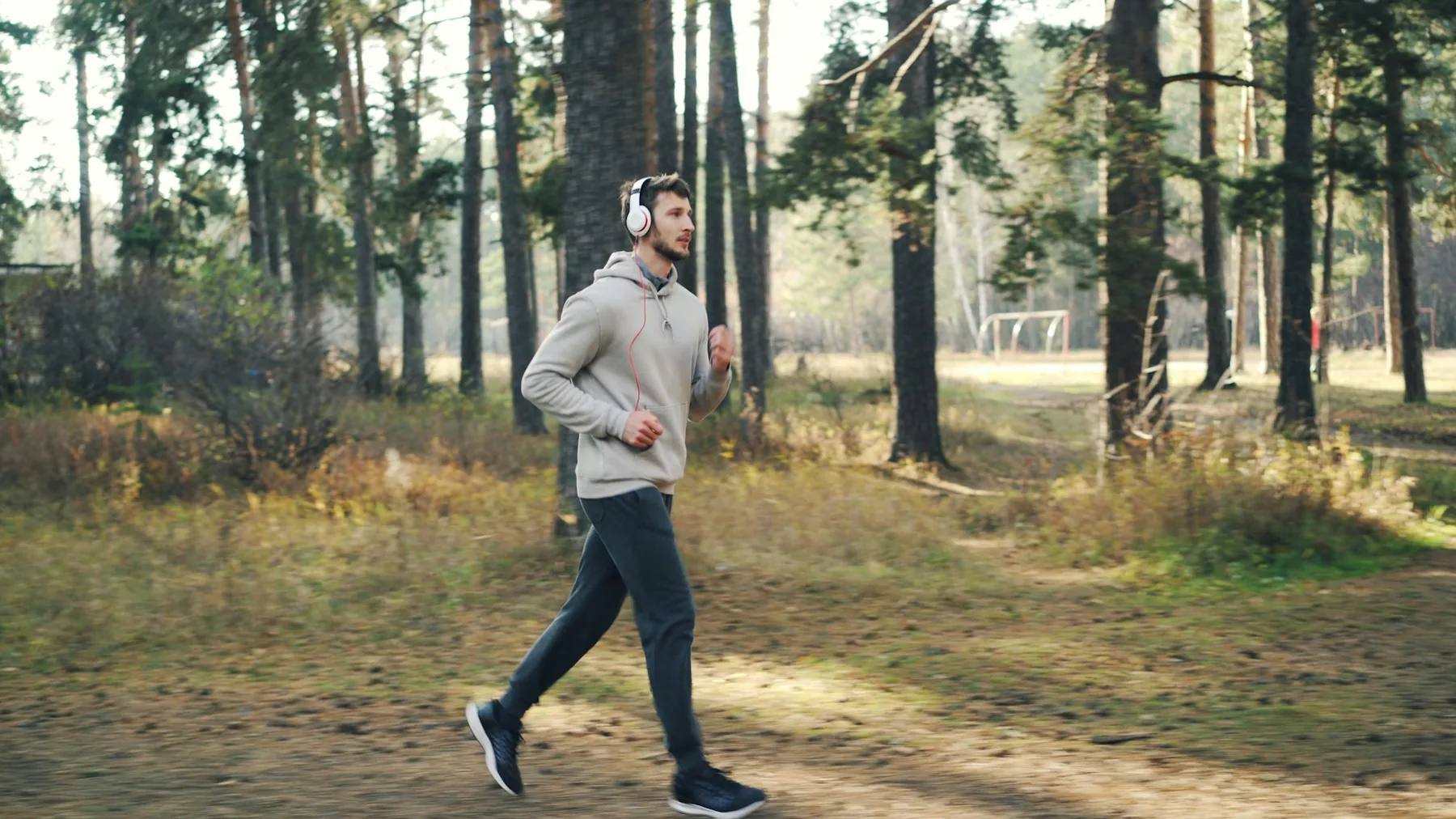
A tight short holds the thigh. A loose short lets air move. Everything else — the marketing, the fabric names, the price — sits downstream of that one difference.
What compression actually does
Compression garments apply graduated pressure to the limb. The claims made for them fall into three groups, and they are not equally well supported.
| Claim | How strong is the case | What it means in practice |
|---|---|---|
| Reduces chafing | Strong — mechanical, not physiological | Fabric on skin beats skin on skin. This is the reliable benefit. |
| Reduces muscle oscillation | Reasonable | Less soft-tissue bounce on impact. Most noticeable on long runs. |
| Improves perceived recovery | Mixed but common | Many people report less next-day soreness. Hard to separate from placebo. |
| Improves performance directly | Weak | Do not buy compression expecting to run faster. |
The honest summary is that compression is excellent at the mechanical job and unproven at the metabolic one. The NSCA’s research summaries are a reasonable non-commercial place to read the evidence rather than the marketing.
The mechanical benefit is real; the performance claim is notBuy compression for friction, not for speed.
Tight, loose, or two-piece
Three formats cover almost every training situation. They fail in different ways, which is the useful thing to know before buying.
| Tight / compression | Loose | Two-piece | |
|---|---|---|---|
| Chafe protection | Best | None on its own | Best |
| Airflow | Limited | Best | Good — outer layer moves |
| Squat and hinge | Unrestricted | Can catch at the knee | Unrestricted |
| Hot weather | Holds heat | Coolest | Good |
| Coverage | Very close-fitting | Full | Full |
| Drying | Fast | Fast | Slowest — two layers |
| Fails when | Sized too small | Thighs touch | You want minimal kit |
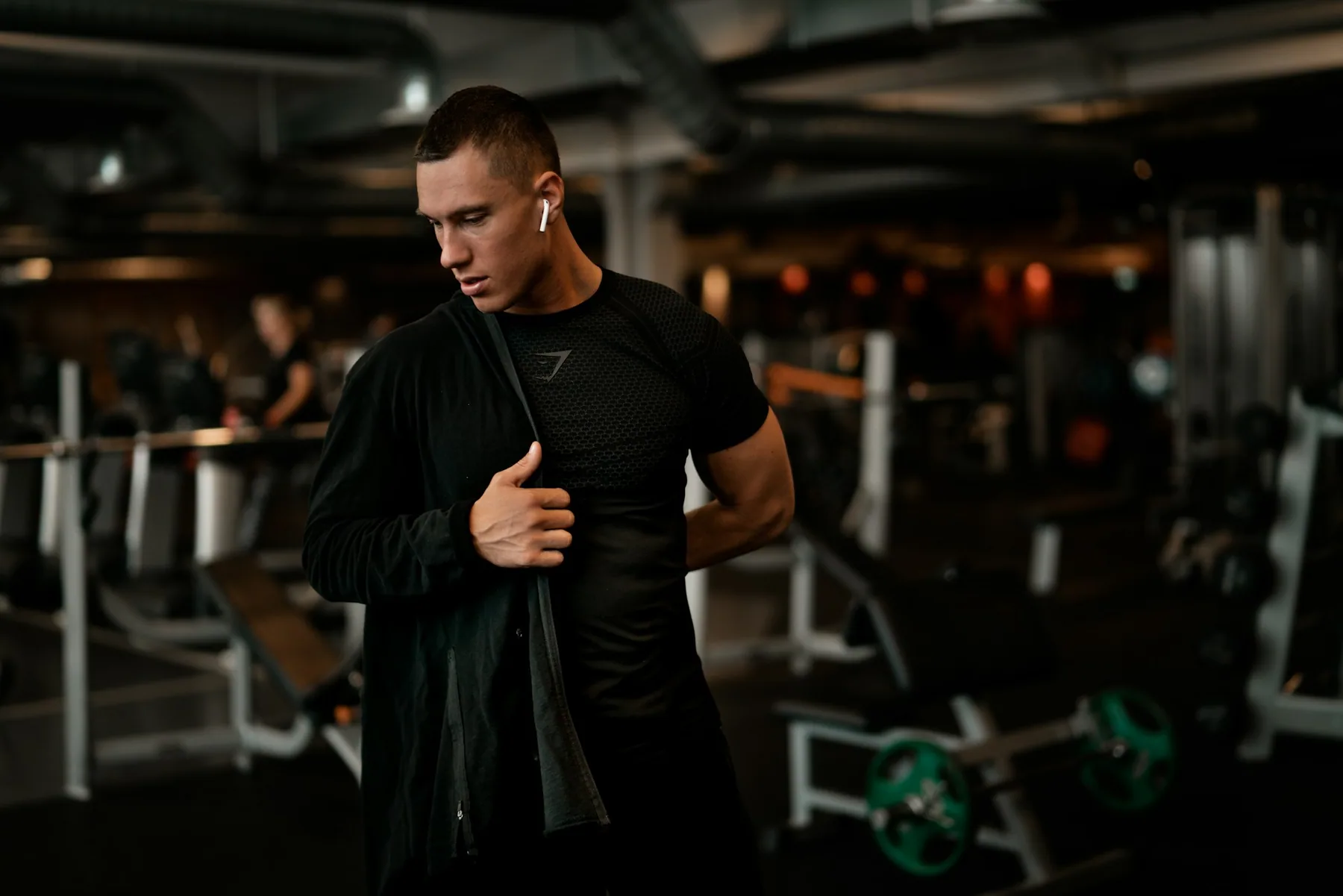
The two-piece is the least understood of the three. It is a fitted inner short with a loose outer short over it, so the inner solves friction while the outer handles coverage and airflow independently.
Our two-piece tight-fitting running shorts are built that way, and the two-piece dry-fit shorts use a lighter outer for hot sessions.
Sizing compression is where most people go wrong
A loose short that is slightly too big is merely loose. A compression short that is too small stops being compression and starts being a restriction.
The signs you have sized down too far
- A visible indent at the hem or waistband after ten minutes.
- Numbness or tingling anywhere below the garment.
- The hem rolls up the thigh instead of staying put.
- You cannot squat to depth without the fabric pulling at the hip.
Compression should feel firm and even. It should not leave marks, and it should never be the thing you notice during a set.
Seams matter more than fabric
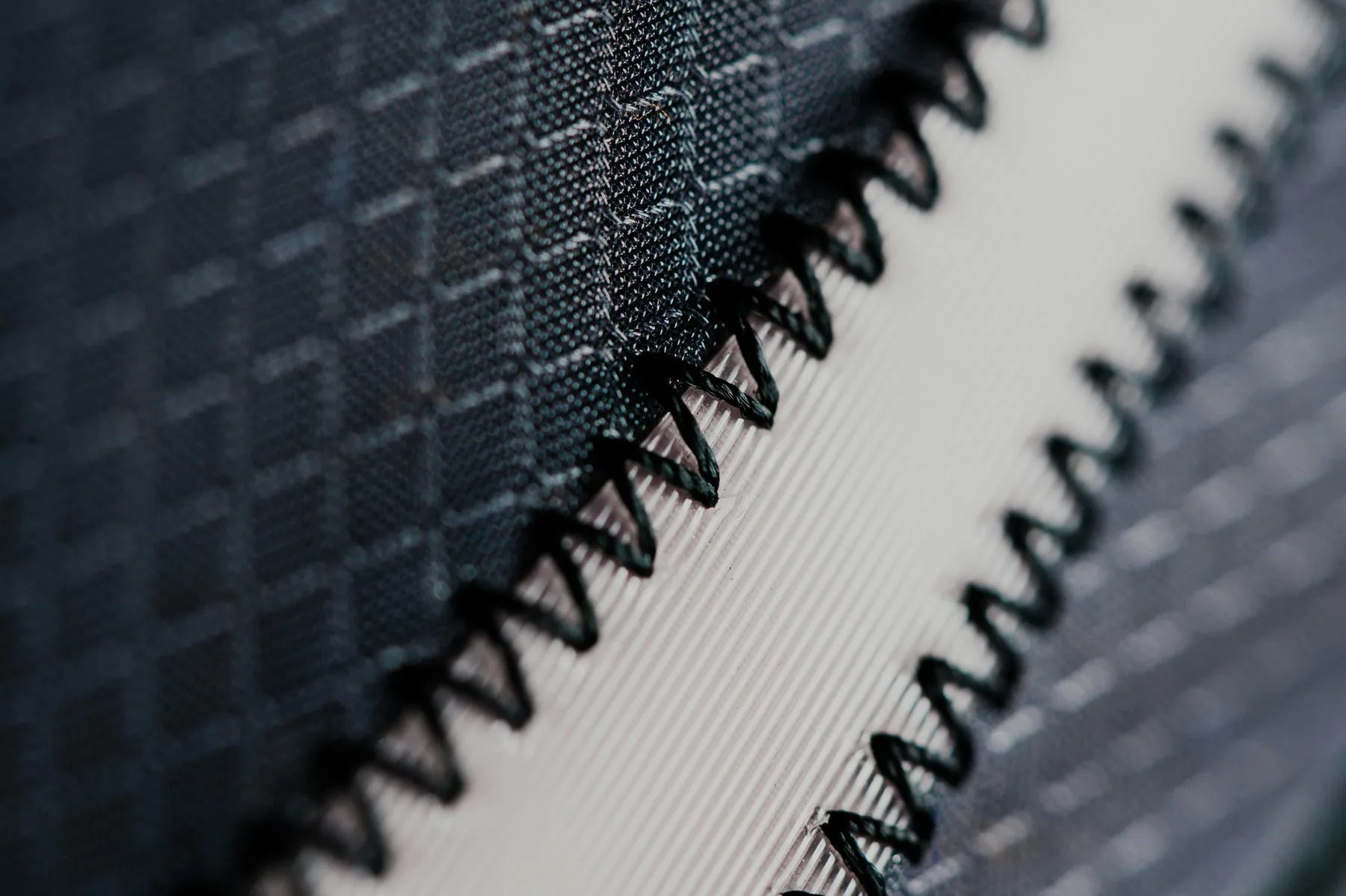
In a tight garment the seam is pressed against skin for the whole session. A bulky inseam will chafe even in an otherwise excellent short.
| Seam type | Profile | Comfort under load | Typical use |
|---|---|---|---|
| Flatlock | Flat, wide | Best — nothing to rub | Performance compression |
| Overlock | Raised ridge | Acceptable at low mileage | Budget shorts |
| Bonded / seamless | Almost none | Excellent | Premium base layers |
| Standard stitch | Raised, narrow | Poorest | Fashion pieces |
Turn a pair inside out before buying. If the inner-thigh seam stands proud of the fabric, it will be the first thing you notice on a long run.
Heat is the real argument against tight shorts
A close-fitting synthetic layer traps a thin cushion of warm air against the skin. In cold conditions that is the point. In summer it is the drawback.
| Conditions | Best format | Why |
|---|---|---|
| Hot and humid | Loose, light fabric | Airflow beats everything else |
| Hot with long distance | Two-piece | Friction protection without the heat trap |
| Cool or wet | Tight or tights | Warmth, and nothing flapping when wet |
| Indoor lifting | Either — personal preference | Neither factor dominates |

Lifting in compression
For lifting the calculation changes. Nothing rubs during a squat, so the friction argument mostly disappears — what remains is proprioception and hem behaviour.
A fitted short cannot ride up or catch behind the knee, which is why many lifters wear one under a looser pair. If you want the length argument in full, our guide to choosing gym shorts by inseam covers where each length sits under load.
Fabric choice matters here too. The bamboo fabric guide explains why some soft fabrics thin out exactly where a compression short is under most tension.
Elastane is the part that dies first
Compression works because of elastane. Heat destroys elastane, which is why a compression short usually fails long before the fabric wears through.
- Wash cold and turn the garment inside out.
- Never tumble dry — this is the single biggest killer.
- Skip fabric softener; it coats fibres and kills wicking.
- Do not iron, and keep them off hot radiators.
The waistband does the hardest work
In a loose short the waistband only holds the garment up. In a tight short it also anchors the compression, so a band that slips undoes the whole point.
| Feature | What to look for | Why it matters |
|---|---|---|
| Width | 1.5 to 2 inches | Spreads pressure instead of digging in |
| Rise | Slightly higher than a loose short | Stays put through hinging |
| Drawcord | Flat, internal | A round cord works loose under a belt |
| Silicone gripper | Optional, on the inner face | Useful for running, warm for lifting |
A gripper strip is the detail most people do not expect. It stops a short migrating during a long run, but under a lifting belt it can chafe, so it is worth knowing whether a pair has one before you buy.
The short version
- Buy compression to stop chafing, not to run faster.
- If it leaves a mark or tingles, it is too small.
- Check the inner-thigh seam is flatlock or bonded.
- Hot weather — go loose or two-piece, not tight.
- Wash cold, air dry, and never let it near a tumble dryer.
Tights follow the same rules over a longer leg — our quick-drying elastic leggings sit in that category, and the rest of the range is in the men’s training collection.
The friction problem in full — seams, inseam and fabric — is in our chafing guide.
Frequently asked questions
Are tight running shorts better than loose ones?
Neither is better in general. Tight shorts stop skin-on-skin chafing and stay put during deep knee flexion. Loose shorts move more air and are cooler in heat. If your thighs touch when you run, tight or two-piece will be more comfortable; if you overheat easily, loose in a light fabric will be.
Do compression shorts actually improve performance?
The evidence for a direct performance gain is weak. The reliable benefits are mechanical: less chafing, less soft-tissue oscillation on impact, and a hem that does not ride up. Many people also report feeling less sore the next day, though that is difficult to separate from expectation.
How tight should compression shorts be?
Firm and even, with no pinching. If the hem or waistband leaves an indent after ten minutes, if you feel tingling, or if the hem rolls up your thigh, you have sized down too far. Compression should be something you stop noticing once you start moving.
What is a two-piece short?
A fitted inner short attached to or worn under a looser outer short. The inner layer handles friction while the outer handles coverage and airflow, so you get the chafe protection of compression without the heat retention of a single tight layer.
Why do my compression shorts stop being tight?
The elastane has degraded. Heat is the usual cause, and tumble drying is the fastest route to it. Washing cold, turning garments inside out, skipping fabric softener and air drying will extend the useful life considerably.