
Kit Guide
Indoor Cycling Kit: The Saddle Decides Everything
Indoor cycling combines three things nothing else does: no airflow at all, a fixed contact patch, and a sweat rate closer to running than to lifting.
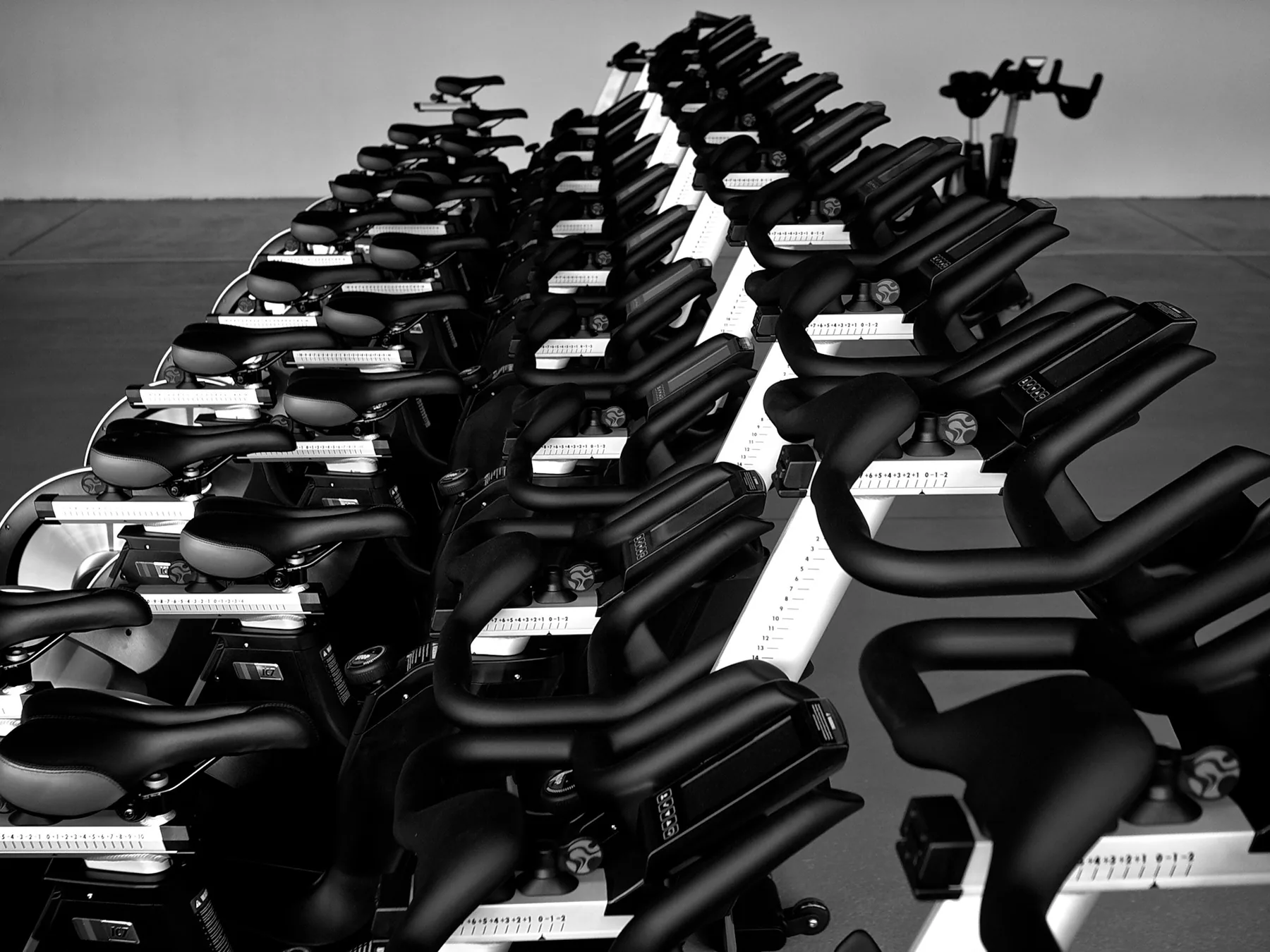
Outdoor cycling kit is designed around a 20mph headwind that does not exist in a studio. That single difference makes most of it the wrong choice indoors.
No airflow changes the fabric answer
Outdoors, moving air evaporates sweat and a close-fitting synthetic jersey works beautifully. Indoors there is no air moving over you at all, so the same garment simply holds the sweat against your skin.
| Factor | Outdoors | Indoor studio |
|---|---|---|
| Airflow | Constant | None, beyond a fan |
| Evaporation | Fast | Very slow |
| Best fabric | Close-fitting technical | Light, open, loose-ish |
| Wind chill | Real, sometimes severe | Nonexistent |
| Layers | Often needed | Never |
The practical version: lighter and more open beats technical and close-fitting, which is the opposite of what a cycling shop will sell you.
Indoors, the same garment just holds the sweatOutdoor cycling kit is designed around a headwind that is not there.
The saddle contact patch
You are in contact with a small, hard area for forty-five minutes without moving much. Any seam, any fold and any thick waistband in that area will be felt, and then it will be all you feel.
- No seam across the seat where you actually sit.
- Flatlock at the inner thigh, never a raised overlock.
- No back pockets and no hip zips.
- A flat waistband, because you are folded forward at the hip.
- Nothing in the pockets. Keys and a phone become bruises.
Padded shorts, and when they are worth it
Padding helps, but it is not the first answer and it is often oversold. Saddle height and position cause more discomfort than padding solves.
| Situation | Verdict |
|---|---|
| First few classes | No — discomfort is adaptation, not a kit problem |
| Twice a week, 45 minutes | Optional; a thin pad is plenty |
| Long or frequent sessions | Yes |
| Discomfort at one specific point | Check saddle height first |
| Numbness | Stop and change position, not clothing |
Thin pads suit indoor cycling better than thick ones. A heavy road-cycling chamois is designed for hours in the saddle and is uncomfortably bulky for a class.
Tops for a room with no wind
Almost anything works as long as it is light and not cotton. The one real decision is fitted versus loose, and it is genuinely a preference.
| Option | Good for | Trade-off |
|---|---|---|
| Light technical tee | Most people | None worth mentioning |
| Tank or vest | Hot studios | Rubbing at the shoulders on some bikes |
| Fitted top | Staying out of the way | Feels wetter, sooner |
| Loose tee | Comfort | Can catch on the bars in aero positions |
| Cotton anything | Nothing | Holds sweat, goes cold, chafes |
Coverage at the shoulder is worth a thought: on some bikes the bar position rubs at the underarm, which a vest exposes and a sleeve does not.
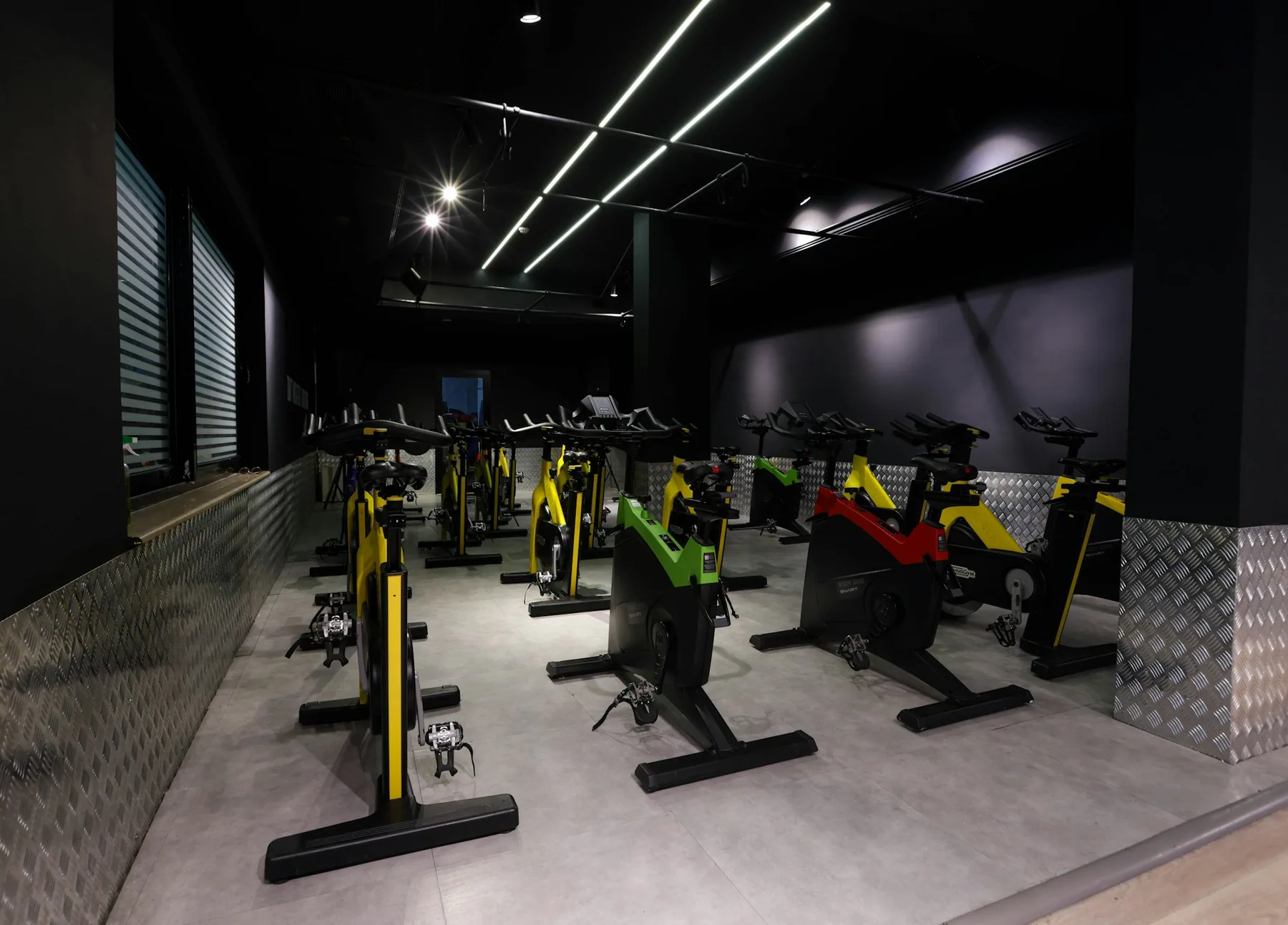
Sweat rate, and what it does to kit
Indoor cycling produces one of the highest sweat rates of any common gym session, which shortens garment life and makes the laundry routine matter more.
| Effect | Why | What to do |
|---|---|---|
| Kit smells sooner | More sweat into the same fibre | Wash after every session |
| Elastane degrades faster | Salt and repeated saturation | Cool wash, air dry |
| Chafing risk rises | Wet fabric on skin | Flatlock seams, correct fit |
| Colours fade faster | More washing | Dark colours, inside out |
| Shoes suffer | Sweat runs down | Air them properly |
Never leave it in the bag. Damp synthetic kit in a sealed bag for a working day is how odour becomes permanent, as our care guide explains.
Hydration and heat, honestly
A busy studio with no ventilation gets genuinely hot, and heat illness is a real if uncommon risk in that environment.
General clinical guidance on heat exhaustion, including what the early signs are, is published by the American Academy of Family Physicians at familydoctor.org. No garment substitutes for stopping.

Socks and shoes
Studio bikes take either clipless shoes or ordinary trainers with a cage. Both work; the kit implication is mostly about socks.
- Thin synthetic socks, not thick cushioned ones.
- Above the ankle, so the strap or cage does not rub bare skin.
- Never cotton, which is the fastest route to a blister.
- Stiff-soled shoes genuinely help on longer classes.
- Rental shoes are fine; bring your own socks.
Why sock fibre matters more than sock thickness is in our training socks guide.
Support, for anyone who needs it
Indoor cycling is medium impact rather than high, but it is sustained and forward folded, which changes which bra works.
- Medium support suits most riders and most cup sizes.
- Check it folded forward, not standing upright.
- Racerback keeps straps clear of the shoulders on the bars.
- Above a D cup, go one level higher, as for any session.
Band fit, sizing and replacement are covered in our sports bra guide.
Afterwards
The change of clothes matters more here than after most sessions, because you will genuinely be soaked and because sitting in it is how skin problems start.
- Change everything, including socks and underwear.
- Do not sit in wet kit on the journey home.
- Pack it loose, never sealed in plastic.
- Wash it that day, cool and inside out.
- Air the shoes rather than leaving them in the bag.
What sitting in damp kit does to skin is covered in our gym skin guide.
What to avoid
- Loose long shorts. They ride up and bunch at the saddle.
- Cotton anything, for all the usual reasons and more so here.
- Back pockets and hip zips.
- Heavy road chamois. Built for hours, not for forty-five minutes.
- Anything you have not sat down in before the class starts.

The short version
- Seams first. Nothing raised where you sit.
- Lighter and more open than outdoor cycling kit, not more technical.
- Thin padding if any, and check saddle height before buying it.
- Thin synthetic socks above the ankle.
- Change out of everything afterwards, without exception.
Frequently asked questions
What should you wear to a spin class?
Light, close-ish bottoms with no seam across the seat, a light technical top that is not cotton, and thin synthetic socks above the ankle. Skip layers entirely — there is no airflow in a studio, so anything you add simply holds sweat against your skin.
Do you need padded shorts for indoor cycling?
Not for the first few classes, where discomfort is usually adaptation rather than a kit problem, and not for occasional forty-five minute sessions. They help for longer or more frequent riding. If discomfort is sharp or localised, check saddle height before buying padding.
Can you wear normal gym clothes for spin?
Yes, provided the bottoms have no raised seam where you sit and nothing in the pockets. The common mistakes are loose long shorts, which ride up and bunch at the saddle, and cotton, which holds sweat in a room where nothing evaporates.
Why is indoor cycling kit different from outdoor cycling kit?
Outdoor cycling clothing is designed around constant airflow, which evaporates sweat from a close-fitting technical jersey. A studio has no airflow at all, so the same garment holds the sweat instead. Lighter and more open works better indoors, which is the reverse of the outdoor answer.
What socks should you wear for spin?
Thin synthetic socks that sit above the ankle, so the shoe strap or pedal cage does not rub bare skin. Avoid thick cushioned socks, which make a stiff cycling shoe fit badly, and avoid cotton entirely — in a high-sweat session it is the fastest route to a blister.