Fit Guide
Gym Shorts Length: Choosing Inseam by Movement, Not by Trend
Shorts length has swung from knee-length to mid-thigh and back twice in a decade. Trend is a bad reason to choose. What you actually do in them is a good one.
Inseam — the crotch seam to the hem — is the number that matters. This guide matches inseam to movement, then covers liners, chafing and height.
What each inseam suits, from short to knee length workout shorts
| Inseam | Sits | Best for | Avoid for |
|---|---|---|---|
| 3–4 inch | Upper thigh | Sprinting, running, hot weather | Squats — ride up badly |
| 5 inch | Mid-thigh | Running, HIIT, conditioning, mobility | Heavy lifting if you dislike exposure |
| 7 inch | Lower thigh | The all-rounder — lifting, classes, most sessions | Very little |
| 9 inch | Just above the knee | Heavy lifting, taller lifters, coverage | Distance running — too much fabric |
| 11 inch+ | At or below the knee | Basketball, casual wear | Deep squats — catches the knee |
It clears the knee in a deep squat, does not ride up during lunges, and looks correct on most heightsIf you own one pair, make it 7 inch.
Match the length to the movement
Lifting: knee clearance is the constraint
In a deep squat your knee travels forward and your thigh compresses. A short that reaches the kneecap standing will bunch behind the joint at the bottom.
5 to 7 inch is the working range for most lifters. Taller lifters can go to 9 inch and still clear the knee.
Running: friction is the constraint
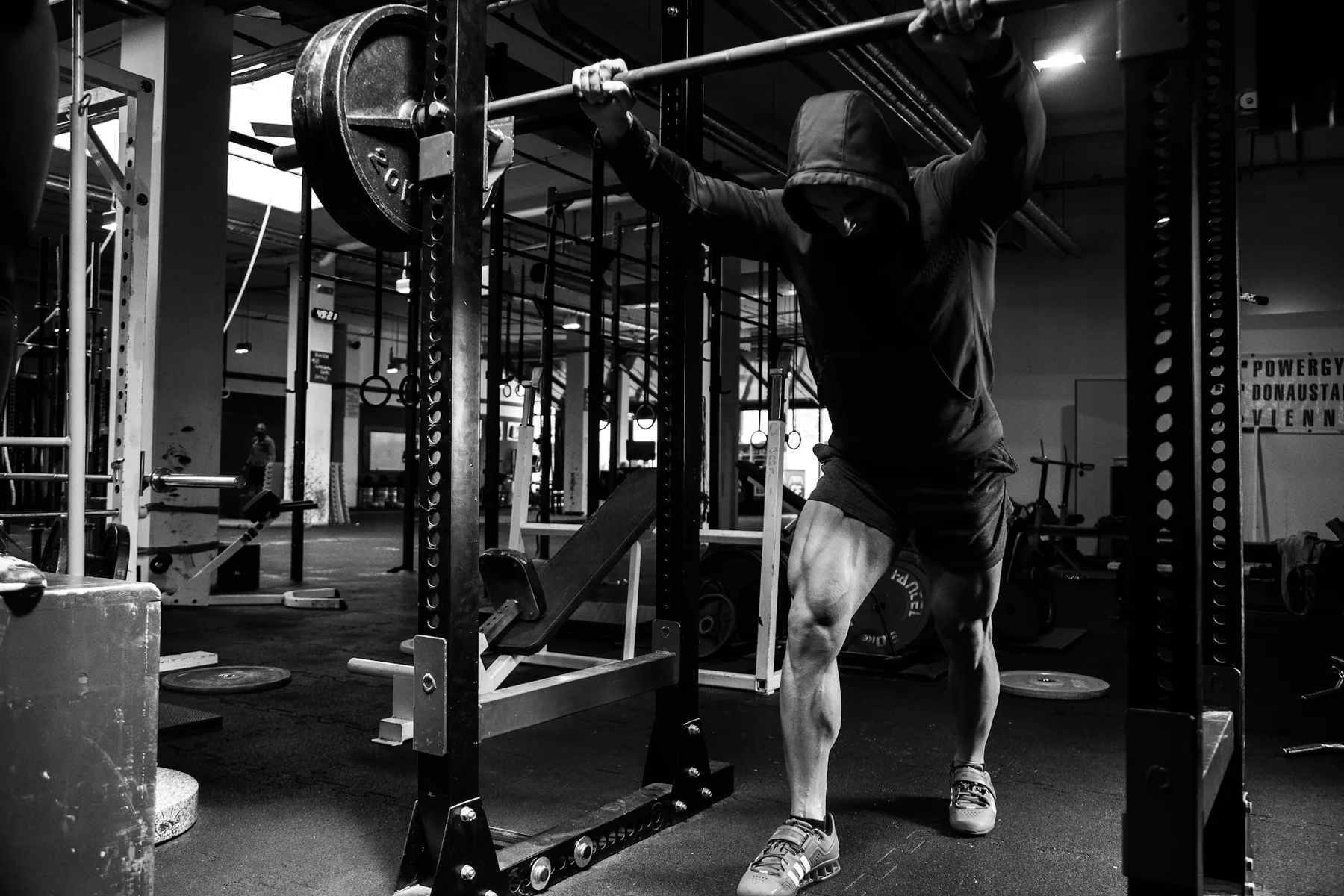
Running is thousands of repetitions of the same stride, so the deciding factor is whether fabric rubs. Shorter inseams reduce thigh-on-fabric contact but increase skin-on-skin contact.
HIIT and classes: both at once
Mixed sessions involve squats, jumps and sprints in the same hour. A 5 to 7 inch short in a stretch fabric handles all three; anything longer flaps during jumps.
Chafing: the thing length actually decides
Chafing is friction plus moisture plus time. Shorts length changes where that friction happens, which is why the “shorter is always better” advice is wrong for some people.
| Length | Main friction point | Who it affects | Fix |
|---|---|---|---|
| 3–5 inch | Skin on skin at the inner thigh | Larger thighs, longer sessions | Compression liner or longer inseam |
| 7 inch | Minimal — fabric sits past the contact zone | Rarely an issue | Usually none needed |
| 9 inch+ | Fabric on skin behind the knee | Deep squatting, heavy sweat | Lighter fabric or shorter inseam |
Friction injuries are a genuine skin issue rather than an inconvenience — the American Academy of Dermatology’s skin care basics is a sensible reference if you get persistent irritation. In practice, seam placement matters as much as length: a flat inner seam beats a bulky one at any inseam.
Liners: keep, remove, or layer?
| Built-in liner | Separate compression short | Neither | |
|---|---|---|---|
| Chafe protection | Good | Best | None |
| Layer control | Fixed | Choose per session | Simplest |
| Drying | Slowest | Fast when separate | Fastest |
| Squat comfort | Can bunch at the hip | Stays flat | Depends on the short |
| Best for | Running, one-and-done kit | Lifting, mixed training | Short sessions |
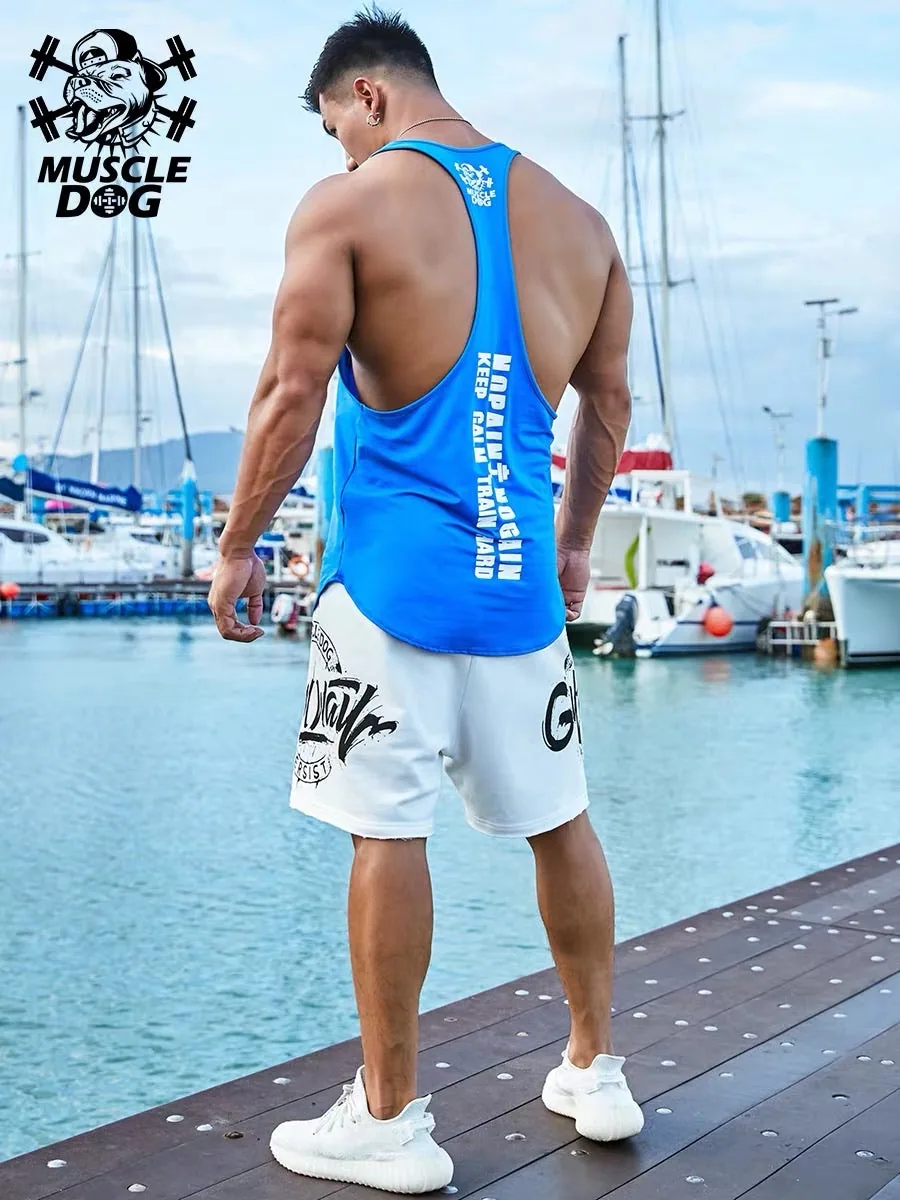
For lifting, a separate compression short under a 7-inch pair is the more flexible setup. Our two-piece tight-fitting running shorts are built exactly that way, and the MuscleDog training shorts sit in the all-round 7-inch range.
Adjust for height
Inseam is an absolute measurement, so the same number lands in a different place on different people. Adjust roughly one inch per four inches of height.
| Height | Everyday training | Running | Heavy lifting |
|---|---|---|---|
| Under 5'6" | 5 inch | 3–4 inch | 5–7 inch |
| 5'6"–5'10" | 7 inch | 5 inch | 7 inch |
| 5'10"–6'2" | 7–9 inch | 5–7 inch | 9 inch |
| Over 6'2" | 9 inch | 7 inch | 9–11 inch |
If you are shorter than 5'6", a 9-inch short will reach your knee and behave like an 11-inch short does on someone taller. That is the most common sizing mistake.
Opacity: the check almost nobody makes
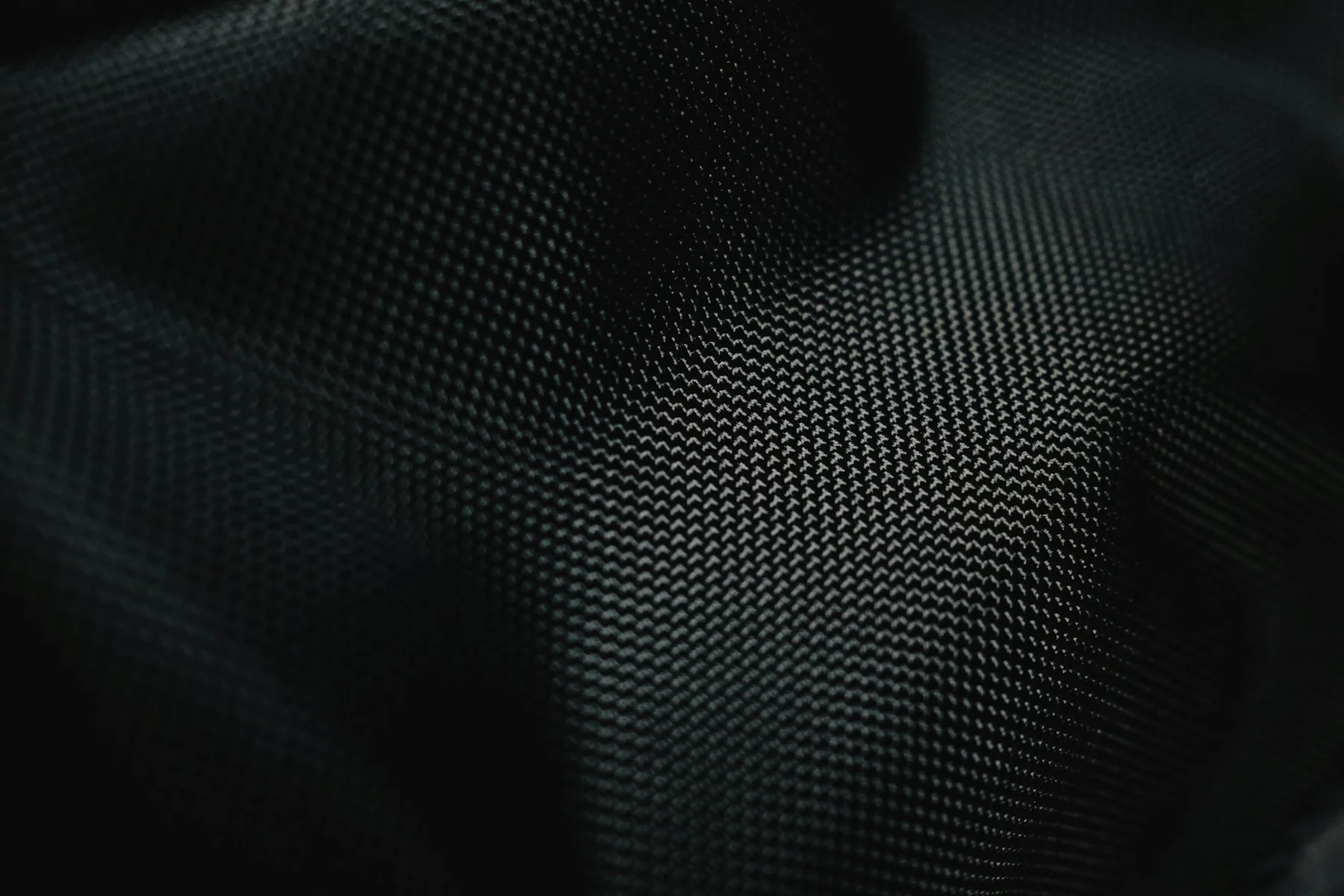
Length is irrelevant if the fabric goes sheer at the bottom of a squat. Lighter shorts and lighter colours are the usual culprits, and it is not something you notice in a changing room mirror.
The test takes ten seconds: put them on, squat to depth in front of a mirror, and look at the seat and the outer thigh where the fabric stretches most.
| Fabric | Light colours | Dark colours | Verdict |
|---|---|---|---|
| Light polyester (under 180 gsm) | High risk | Low risk | Choose dark, or size up |
| Mid-weight poly/elastane | Moderate | Very low | Safe in most colours |
| Cotton blend | Low | Very low | Safest, but slowest to dry |
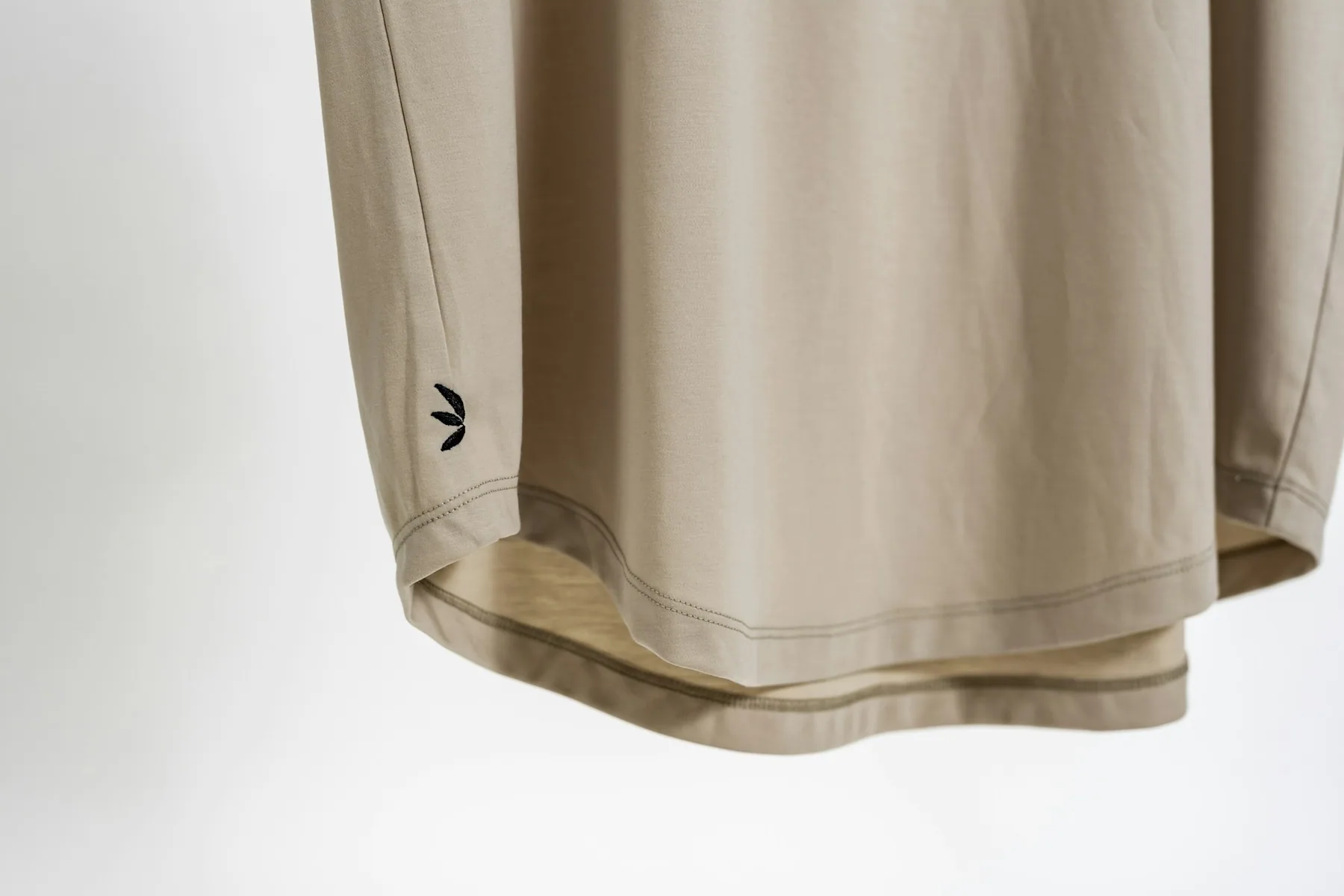
| Bamboo viscose | Moderate | Low | Check after a few washes — it thins |
Grey marl is the single riskiest choice: it goes sheer sooner than other colours and shows sweat more obviously than any other shade.
The waistband decides whether length matters at all
A short that slides down turns a 7-inch inseam into a 9-inch one mid-set. The waistband is doing more work than the hem.
- Width: wider bands distribute pressure and stay put under a belt.
- Drawcord: flat cords stay tied; round cords work loose.
- Elastic quality: the first thing to fail. Cold wash and never tumble dry.
- Rise: a slightly higher rise stays in place through hinging.
The short version
- Own one pair? Make it 7 inch.
- Running — 5 inch with a liner or compression layer.
- Heavy lifting — 7 to 9 inch, flat inner seams.
- Under 5'6" — drop one size band; over 6'2" — add one.
- Test with a deep squat and a lunge, never standing still.
For basketball specifically, length rules differ — our guide to choosing men’s basketball shorts covers the 9 to 11 inch range and pocket trade-offs. If fabric is your deciding factor, the bamboo fabric guide compares the options directly.
If you are weighing a tight or two-piece short against a loose one, our guide to tight and compression shorts covers when each format is the right call.
Frequently asked questions
What length gym shorts should men wear?
A 7-inch inseam suits most men for general training. It clears the knee in a deep squat, does not ride up during lunges and looks proportional on most heights. Choose 5 inch for running and conditioning, and 9 inch if you are over 5 foot 10 or want more coverage while lifting.
Are knee length shorts bad for lifting?
They can be. In a deep squat the knee travels forward and the thigh compresses, so a short that reaches the kneecap standing will bunch behind the joint at the bottom of the rep. Anything past the knee also catches during deep flexion. For most lifters 7 to 9 inch is the practical limit.
What is the difference between training shorts and running shorts?
Training shorts are usually 7 to 9 inch in a heavier or stretchier fabric, cut so the hem clears the knee under load. Running shorts are typically 3 to 5 inch in light fabric, often with a built-in liner, prioritising stride freedom and fast drying over coverage.
Do I need shorts with a built-in liner?
For running, a liner or compression layer meaningfully reduces chafing over long sessions. For lifting, a separate compression short under a 7-inch pair is more flexible, dries faster and does not bunch at the hip. Short gym sessions often need neither.
How do I stop gym shorts riding up?
Usually it is the waistband rather than the length. Look for a wider band, a flat drawcord that stays tied and a slightly higher rise. Washing cold and air drying preserves the elastane that keeps the band gripping — tumble drying is the most common cause of a waistband going slack.