Fabric Guide
Bamboo Fabric in Training Shorts: What It’s Good At, and What It Isn’t
Bamboo has a reputation as the softest, most breathable fabric in activewear. Most of that reputation is earned. The part rarely mentioned is that bamboo is also the least durable option at exactly the points training shorts wear out.
This guide covers what bamboo genuinely does better, where it loses to polyester, and the labelling detail that explains why two “bamboo” shorts can feel completely different.

Most “bamboo fabric” is actually viscose
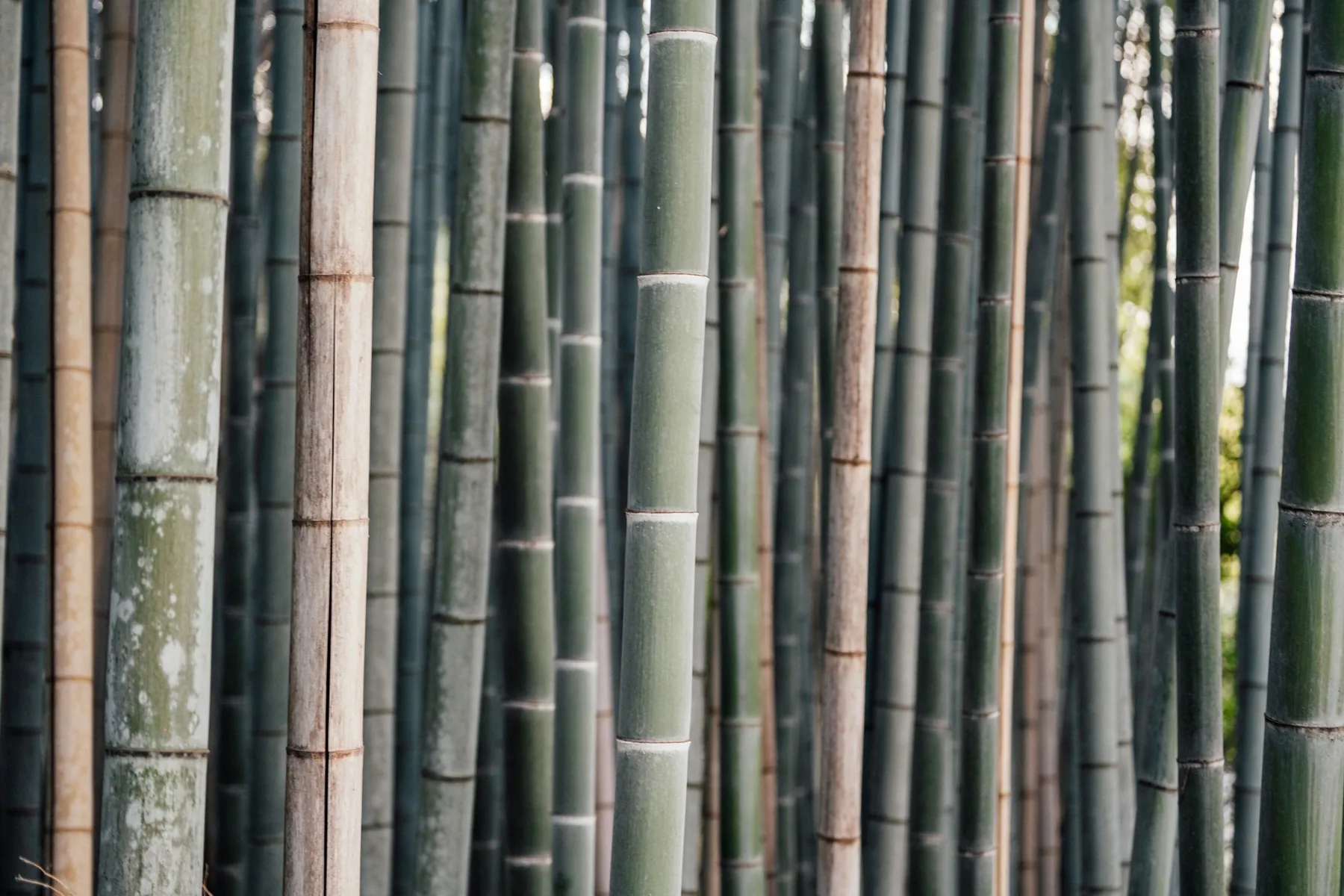
This is the single most useful thing to understand before buying. Bamboo is a hard, woody grass. It cannot be spun into something soft without heavy chemical processing.
The result is bamboo viscose (also sold as bamboo rayon) — a regenerated cellulose fibre. It is genuinely soft and breathable, but it is a processed fibre, not a natural one in the way cotton or linen are.
The distinction matters enough that the US Federal Trade Commission publishes formal guidance on how textiles may be labelled. Its textile labelling requirements require rayon-from-bamboo to be described as rayon or viscose, not simply “bamboo”.
| Type | How it is made | Feel | Common in |
|---|---|---|---|
| Bamboo viscose / rayon | Chemically regenerated cellulose | Very soft, drapes, cool | Almost all bamboo activewear |
| Bamboo lyocell | Closed-loop solvent process, solvent recovered | Soft, stronger than viscose | Premium activewear |
| Bamboo linen | Mechanically crushed and combed | Coarse, stiff, very durable | Rare and expensive |
The fibre is dissolved and regenerated before it is spunMost bamboo fabric is viscose, not bamboo.
If a label just says “bamboo” with no fibre name, it is almost certainly viscose. That is not a scandal — it is simply what the fabric is.
What bamboo genuinely does well
Breathability and thermoregulation
Bamboo viscose has a porous fibre structure that moves air and moisture readily. In practice it feels cool immediately on contact and does not develop the clammy layer cotton can in humid conditions.
Odour resistance
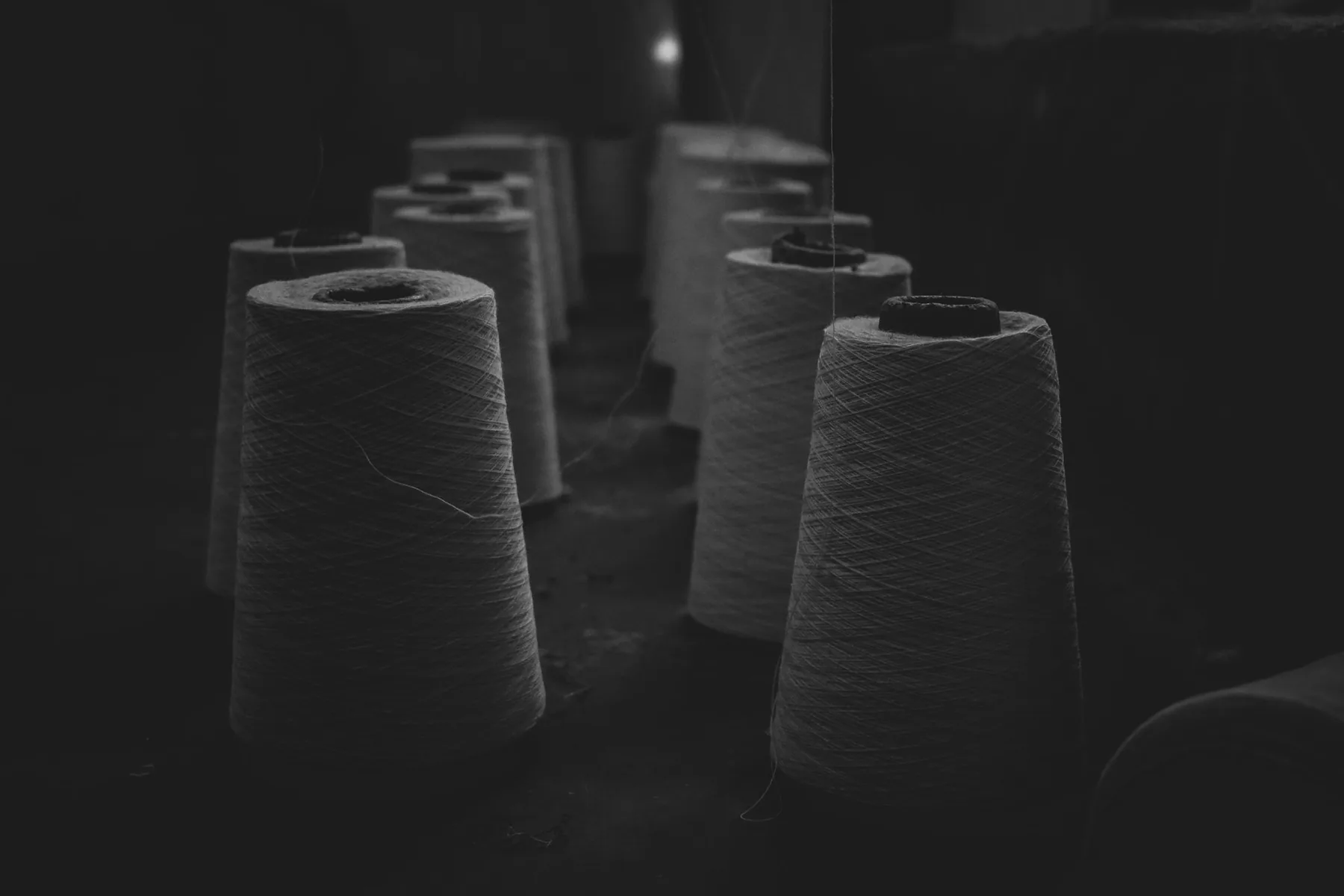
This is bamboo’s clearest win over polyester. Synthetic fibres trap the residue bacteria feed on, which is why a well-used polyester short can smell within minutes of warming up even after washing. Bamboo stays fresher between wears.
Softness against skin
The fibre surface is smoother than cotton, so there is less friction at the inner thigh. For anyone prone to chafing on longer sessions, that is a real benefit rather than a marketing line.
The drawbacks bamboo retailers leave out
Every one of these is real, and together they decide whether bamboo suits your training or not.
- Pilling. Bamboo viscose pills faster than cotton, especially at high-friction points — inner thigh, waistband, seat.
- Shrinkage. It shrinks noticeably in warm water and in a tumble dryer. Cold wash and air dry is not optional advice.
- Wet strength. Regenerated cellulose loses strength when wet, so it wears through faster under repeated heavy sweating.
- Slower drying than polyester. It moves moisture well but does not dry as fast, which matters for back-to-back sessions.
| Bamboo viscose | Polyester | Cotton | |
|---|---|---|---|
| Breathability | Excellent | Good | Good |
| Odour control | Excellent | Poor over time | Moderate |
| Drying speed | Moderate | Very fast | Slow |
| Softness | Highest | Low | High |
| Durability at friction points | Lowest | Highest | Moderate |
| Shrinkage risk | High | None | Moderate |
| Best for | Lifting, mobility, lounge | HIIT, running, heavy sweat | Casual, low sweat |
The honest summary: bamboo is the most comfortable fabric here and the least durable. Polyester is the reverse. Blends exist precisely because both statements are true.
Who should choose bamboo shorts
| Your training | Best fabric | Why |
|---|---|---|
| Weight training, 45–90 min | Bamboo blend | Comfort and odour control matter more than drying speed |
| HIIT, circuits, heavy sweat | Polyester or poly blend | Needs fast drying and friction resistance |
| Running over 10 km | Polyester with a liner | Wet cellulose chafes and loses strength |
| Yoga, mobility, stretching | Bamboo or bamboo lyocell | Softness and stretch matter most |
| Rest days and travel | Bamboo | Stays fresh between wears |
| Hot, humid climates | Bamboo blend | Thermoregulation without the clammy feel |
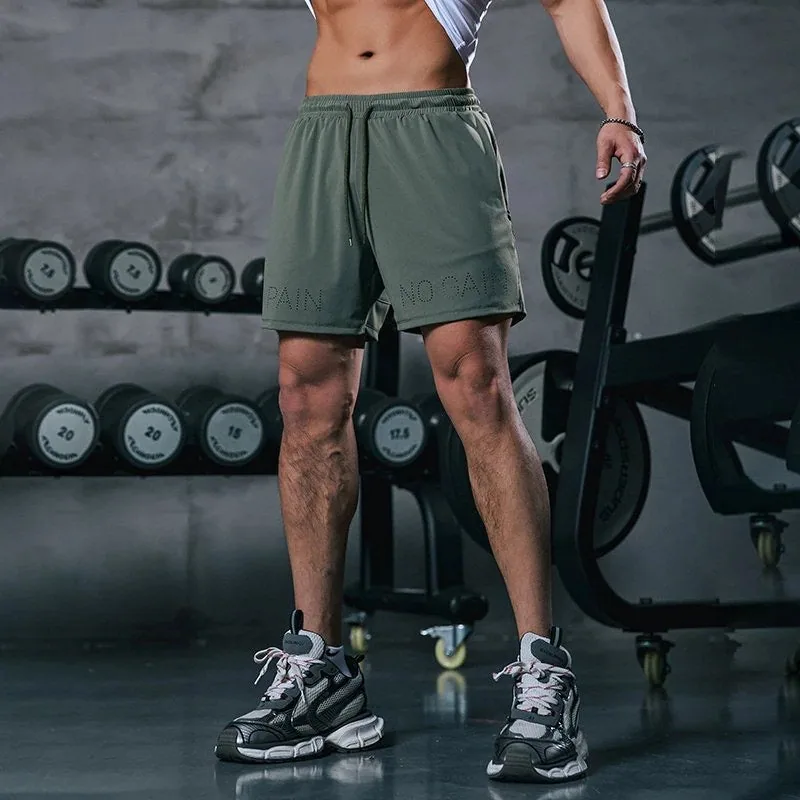
If you train hard and sweat heavily, a bamboo-polyester blend gives you most of the comfort with far better durability than pure bamboo viscose. Our MuscleDog sports shorts and the two-piece tight-fitting running shorts are built around that trade-off.

How to stop bamboo shorts wearing out early
- Wash cold, always. 30°C or below. Warm water is the main cause of bamboo shrinkage.
- Turn inside out. This protects the outer face from abrasion in the drum.
- Skip fabric softener. It coats the fibre and accelerates pilling.
- Air dry. Tumble drying shrinks bamboo and destroys elastane in the waistband.
- Wash separately from velcro and zips. Bamboo snags more easily than polyester.
- Rotate pairs. Letting fibres recover between wears meaningfully extends life.
Care instructions and fibre content for each pair are listed on the product pages, and our returns and exchanges policy applies if the fit is wrong.
How to judge a bamboo short before you buy
Because “bamboo” on its own tells you very little, these are the details worth checking on a product page.
- Read the fibre content, not the headline. Look for a stated percentage and a fibre name — viscose, rayon or lyocell.
- Prefer a blend for training. Bamboo with polyester or elastane wears far better at the inner thigh than pure viscose.
- Check the seam placement. A flat inner seam matters more for comfort than the fibre itself.
- Look for stated care instructions. A brand that says cold wash only is being straight with you about shrinkage.
- Be sceptical of ‘antibacterial’ claims. Any natural antimicrobial property is reduced by the chemical processing that makes viscose.
That last point is worth dwelling on. Bamboo genuinely resists odour better than polyester in everyday use, but that is largely down to moisture handling rather than a surviving antibacterial agent in the finished fabric.
Is bamboo actually the sustainable choice?
Partly. The plant itself is genuinely fast-growing and needs little irrigation or pesticide. That part of the story holds up.
The processing is the caveat. Conventional viscose production uses strong chemicals, and whether they are recovered depends entirely on the mill. Closed-loop lyocell processing is substantially better on this front.
If sustainability is your deciding factor, look for a named closed-loop process rather than the word “bamboo” on its own.
The short version
- Most bamboo activewear is bamboo viscose — soft, breathable, chemically processed.
- It beats polyester on odour and comfort, and loses on durability and drying speed.
- It pills and shrinks if you wash warm or tumble dry.
- Best for lifting, mobility and hot climates; poor for long runs and heavy HIIT.
- A blend is usually the right answer for regular training.
Bamboo viscose is the fabric most often ruined in the wash rather than in training. The gym clothes care guide sets out the temperatures and drying methods that keep it from thinning.
How many pairs you actually need, and how drying time decides that, is in our guide to how many gym clothes you need.
Frequently asked questions
Is bamboo fabric good for workout shorts?
Yes for lifting, mobility work and hot climates, where its breathability, softness and odour resistance are genuine advantages. It is a weaker choice for long runs and heavy HIIT, because regenerated cellulose loses strength when wet and dries more slowly than polyester.
Is bamboo fabric the same as rayon or viscose?
In almost all activewear, yes. Bamboo is chemically processed into regenerated cellulose, which is rayon or viscose. US Federal Trade Commission labelling guidance requires it to be described as rayon or viscose rather than simply ‘bamboo’. Bamboo lyocell uses a cleaner closed-loop process, and true bamboo linen is mechanically processed but rare.
Does bamboo fabric shrink?
Yes, noticeably, in warm water and in a tumble dryer. Wash at 30°C or below and air dry. This is the most common reason bamboo shorts stop fitting after a few washes.
Does bamboo or polyester smell less?
Bamboo, clearly. Polyester traps the sweat residue bacteria feed on, which is why well-used synthetic shorts can smell soon after warming up even when freshly washed. Bamboo stays fresher between wears.
Do bamboo shorts pill?
More readily than cotton or polyester, particularly at high-friction points like the inner thigh and waistband. Washing cold and inside out, skipping fabric softener and rotating between pairs all slow it down considerably.