Fit Guide
Chafing: Why It Happens and How Your Kit Causes or Fixes It
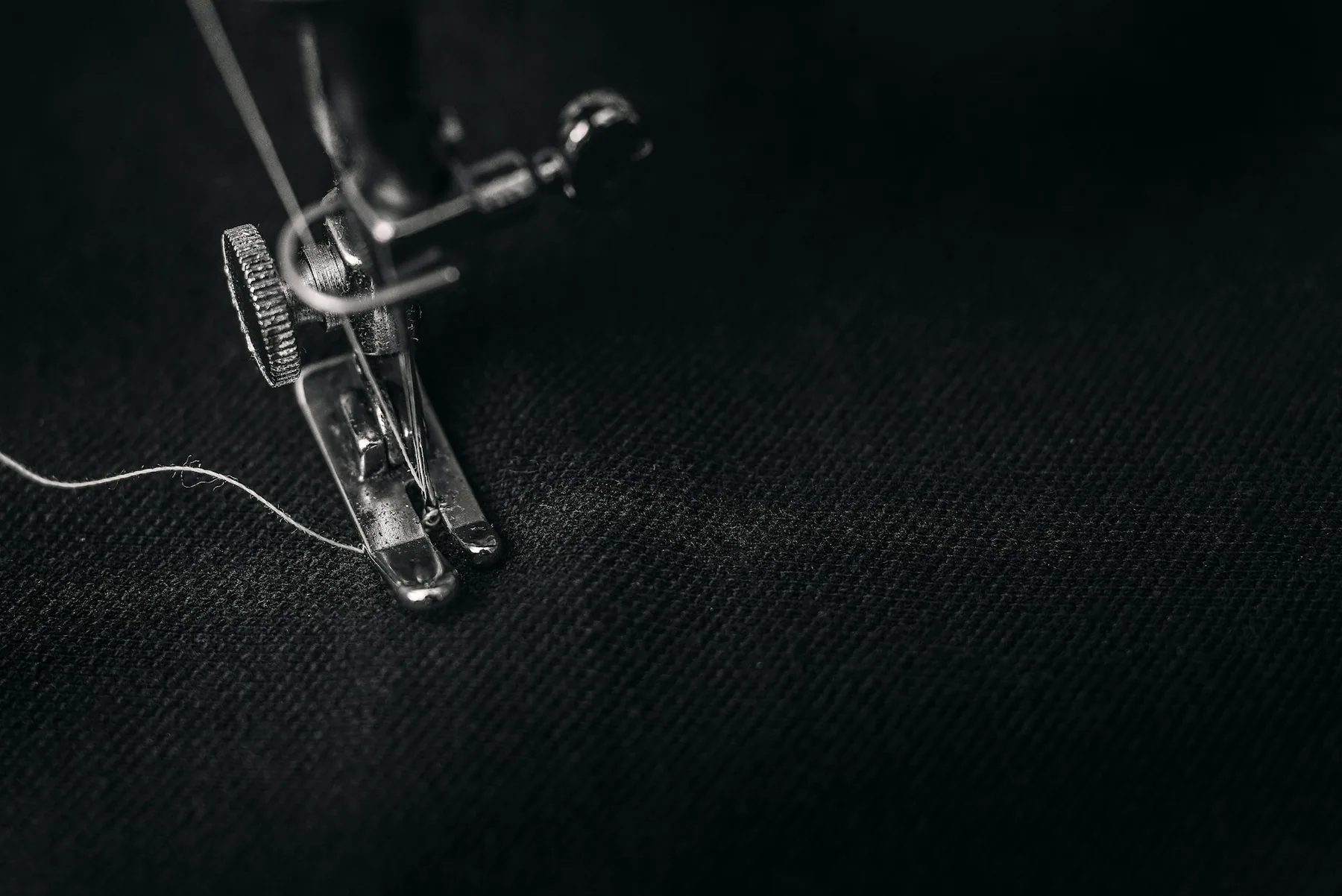
Chafing is friction plus moisture plus time. Balm treats the symptom. The seam, the inseam and the fabric are what decide whether it happens at all.
Three things have to be present. Remove any one and the problem largely goes away, which is why the fix is usually a garment change rather than a product.
Where it happens, and what each spot means
The location tells you which of the three factors is dominant, and therefore which change will fix it.
| Location | Surfaces involved | Usual cause | First thing to change |
|---|---|---|---|
| Inner thigh | Skin on skin | Short inseam, larger thighs | Longer inseam or a liner |
| Underarm | Fabric on skin | Deep armhole, bulky seam | Shallower armhole |
| Waistband | Fabric on skin | Sweat pooling, gripper strip | Wider, flatter band |
| Nipples | Fabric on skin | Coarse knit, long duration | Smoother fabric, or tape |
| Behind the knee | Fabric on skin | Long inseam bunching | Shorter or lighter short |
| Under a strap | Fabric on skin | Backpack or bra band | Wider strap, better fit |
The location tells you which problem you haveSkin on skin needs fabric. Fabric on skin needs a better seam.
The seam is the single biggest factor
In any fitted garment a seam is pressed against skin for the whole session. A raised seam in the wrong place will chafe in an otherwise excellent garment.
| Seam type | Profile | Chafe risk | Where you find it |
|---|---|---|---|
| Flatlock | Flat and wide | Lowest | Performance kit |
| Bonded / seamless | Almost none | Lowest | Premium base layers |
| Overlock | Raised ridge | Moderate | Most mid-price kit |
| Standard lockstitch | Raised and narrow | Highest | Fashion pieces |
Turn a garment inside out before buying and run a thumb along the inner thigh and underarm. If you can feel a ridge standing proud, you will feel it at mile eight too.
Inseam length changes which problem you get
This is the trade-off nobody states plainly. Shorter shorts reduce fabric on skin and increase skin on skin. Longer shorts do the reverse.
| Inseam | Skin-on-skin risk | Fabric-on-skin risk | Suits |
|---|---|---|---|
| 3–5 inch | High if thighs touch | Low | Narrower builds, short sessions |
| 7 inch | Low | Low | Most people, most sessions |
| 9 inch+ | None | Moderate behind the knee | Longer sessions, larger thighs |
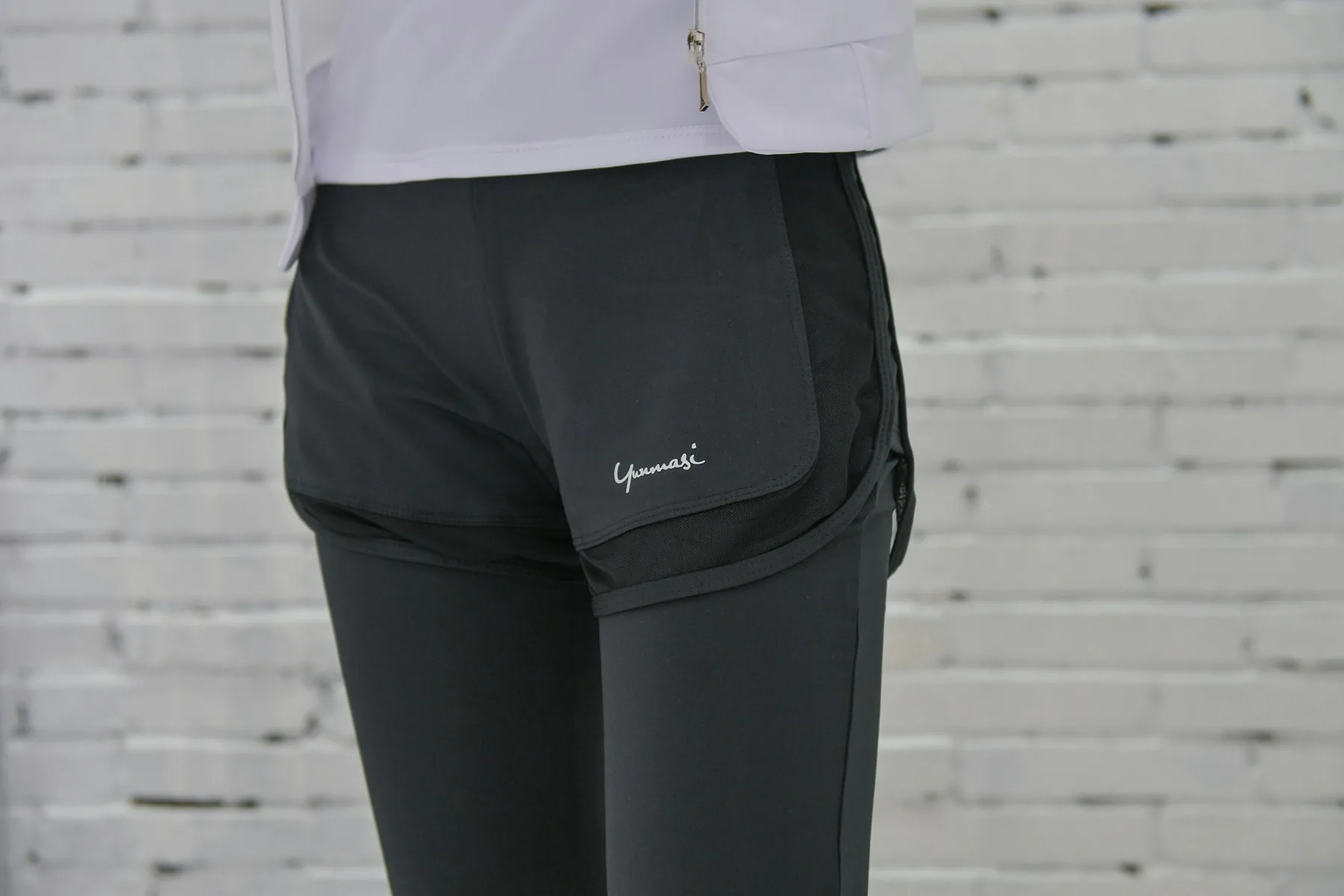
Which length suits your training is covered in our gym shorts length guide. If your thighs touch, the reliable answer is a fitted inner layer rather than a longer outer one — see the tight and compression shorts guide.
Fabric, and the one to avoid
Cotton is the clearest mistake. It absorbs sweat and holds it against the skin, which softens the skin and raises friction at the same time.
| Fabric | Holds moisture | Surface | Chafe risk |
|---|---|---|---|
| Cotton | Yes, heavily | Softens when wet | Highest |
| Polyester | No | Smooth | Low |
| Nylon blends | No | Very smooth | Lowest |
| Bamboo viscose | Yes, moderately | Soft but heavy wet | Moderate |
| Merino | Absorbs but stays warm | Slightly textured | Low to moderate |
Fibre behaviour in detail is in our workout t-shirt fabric guide, and why bamboo behaves differently when wet is in the bamboo fabric guide.
Heat and long sessions make everything worse
Both extra factors are about moisture. More sweat means more friction, and a longer session means more repetitions of it.
- Salt concentrates as you dehydrate and irritates skin further.
- Rain and wet kit produce the same softening as heavy sweat.
- New kit often chafes once and never again, as seams settle.
- Old kit chafes when the fabric has thinned and the seam stands proud.
Training in heat multiplies all of this, which is why our hot-weather guide covers the same problem from the temperature side.
Balms and tapes: what they actually do
They reduce the friction coefficient at the contact point. That is genuinely useful and it is not a substitute for kit that fits.
| Product | How it works | Lasts | Best for |
|---|---|---|---|
| Petroleum jelly | Physical barrier | 1–2 hours | Cheap, short sessions |
| Sport-specific balm | Barrier, sweat-resistant | 3–5 hours | Long runs |
| Anti-chafe powder | Absorbs moisture | Until saturated | Humid conditions |
| Kinesiology or nipple tape | Physical cover | One session | A specific spot |
Apply before the session, not after the skin is already sore. Applying balm to broken skin traps bacteria against a wound.
If the skin is already raw
Chafing is a friction injury rather than an inconvenience, and treating it as a minor wound is the right approach.
- Clean gently with water; skip anything that stings.
- Dry fully before covering.
- Use a barrier or healing ointment, not a drying one.
- Wear loose clothing until it has healed.
- See a clinician if it weeps, spreads or does not improve.
General skin guidance from a non-commercial source is available through the NHS healthy living pages. Persistent chafing in the same spot usually means the garment, not the skin, is the problem.

Some people chafe and some do not
Two people can run the same route in the same shorts and only one comes back raw. That is not imagination, and it is worth knowing why before you assume the garment is at fault.
| Factor | Effect | What to do about it |
|---|---|---|
| Thigh gap or contact | Decides skin-on-skin risk entirely | Choose inseam accordingly |
| Sweat rate | More moisture, more friction | Wick better, wash sooner |
| Sweat salinity | Salt irritates skin directly | Hydrate; rinse skin after |
| Skin sensitivity | Lower threshold for breakdown | Barrier products, flat seams |
| Stride and gait | Changes where contact happens | Try a different cut, not size |
The practical consequence is that recommendations are a starting point rather than an answer. If a short that works for everyone else does not work for you, the short is not necessarily wrong.
Build changes which of these apply more than most kit advice admits. Where cut and grading go wrong on broader frames is covered in our guide to training kit for larger and broader builds.
The short version
- Work out whether it is skin on skin or fabric on skin.
- Check the inner seam before you buy anything.
- 7 inch is the inseam that avoids both failure modes.
- Never cotton for anything long or hot.
- Balm before, never on broken skin.
The same mechanism one layer down causes blisters — see our training socks guide, and our guide to what goes under training kit.
Frequently asked questions
What causes chafing when exercising?
Friction, moisture and repetition together. Two surfaces rub, sweat softens the skin and raises the friction, and enough repetitions break the surface down. Remove any one of the three and the problem largely disappears, which is why a garment change usually works better than a product.
How do I stop inner thigh chafing?
Inner thigh chafing is skin on skin, so the fix is to put fabric between the surfaces. A fitted inner short or a longer inseam both work. A shorter short makes it worse, which is the opposite of what most people try first.
Do anti-chafe balms actually work?
Yes, within limits. They reduce friction at the contact point and typically last one to five hours depending on the product and how much you sweat. They are a genuine help on long sessions and not a substitute for a garment with a flat inner seam.
What fabric is worst for chafing?
Cotton. It absorbs sweat and holds it against the skin, which softens the skin and increases friction at the same time. Smooth synthetics such as polyester and nylon blends move moisture away and present a lower-friction surface.
Should I put balm on skin that is already chafed?
No. Clean the area gently, dry it fully, and use a barrier or healing ointment rather than applying anti-friction balm over broken skin, which traps bacteria against a wound. Wear loose clothing until it heals, and see a clinician if it weeps or spreads.