
Fabric Guide
What Actually Happens to Worn-Out Training Kit
Almost every piece of training kit is a blend, and blends are the hardest thing in textiles to recycle. That is the honest starting point rather than the label.
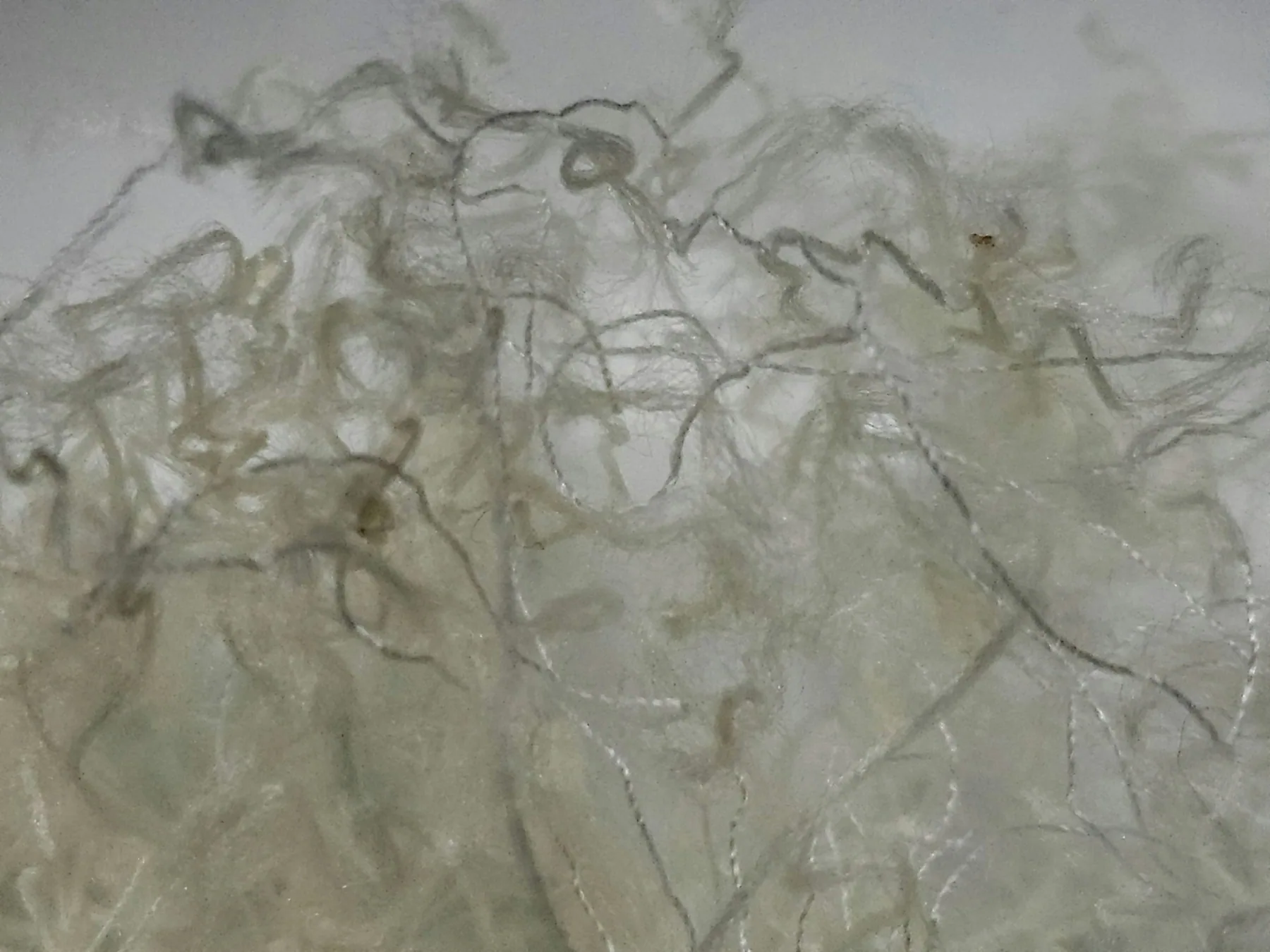
Two separate issues get conflated: what a garment sheds while you own it, and what happens to it once you do not.
Why blends are the problem
Recycling a textile means separating it back into a usable fibre. A garment that is 88 per cent polyester and 12 per cent elastane is chemically bonded together, and no widely deployed process separates the two economically.
| Composition | Recyclable in practice | Why |
|---|---|---|
| 100% polyester | Sometimes | Chemical recycling exists, limited capacity |
| 100% cotton | Often | Mechanical shredding is established |
| Poly / elastane blend | Rarely | Cannot be separated economically |
| Poly / cotton blend | Rarely | Two processes needed |
| Anything with a bonded print | No | Contaminates the stream |
This is not an argument against buying activewear. It is an argument for buying less of it and keeping it longer, which is the only lever that reliably works.
And it is the only one entirely within your controlAn extra year of use beats every claim on the label.
Microfibres: what is actually known
Synthetic textiles shed tiny fibre fragments, mostly during washing. Those fragments are small enough to pass through wastewater treatment and end up in waterways.
The scale and the consequences are still being researched rather than settled. NOAA’s Ocean Service is a reasonable non-commercial starting point if you want the current state of it rather than a campaign or a product page.
| Action | Effect | Effort |
|---|---|---|
| Wash less often | Largest single reduction | None |
| Wash cool | Moderate reduction | None |
| Fuller loads | Less agitation per garment | None |
| Front loader over top loader | Moderate | Not usually a choice |
| Filter bag or in-line filter | Meaningful | Small cost |
| Air dry | Reduces further shedding | Time |
Notice that four of those are the same actions the care guide recommends for making kit last. The interests align, which is convenient.
New kit sheds most
A garment sheds most in its first handful of washes, as loose fibre ends left from manufacturing come away. This is another argument for owning fewer pieces for longer rather than replacing constantly.
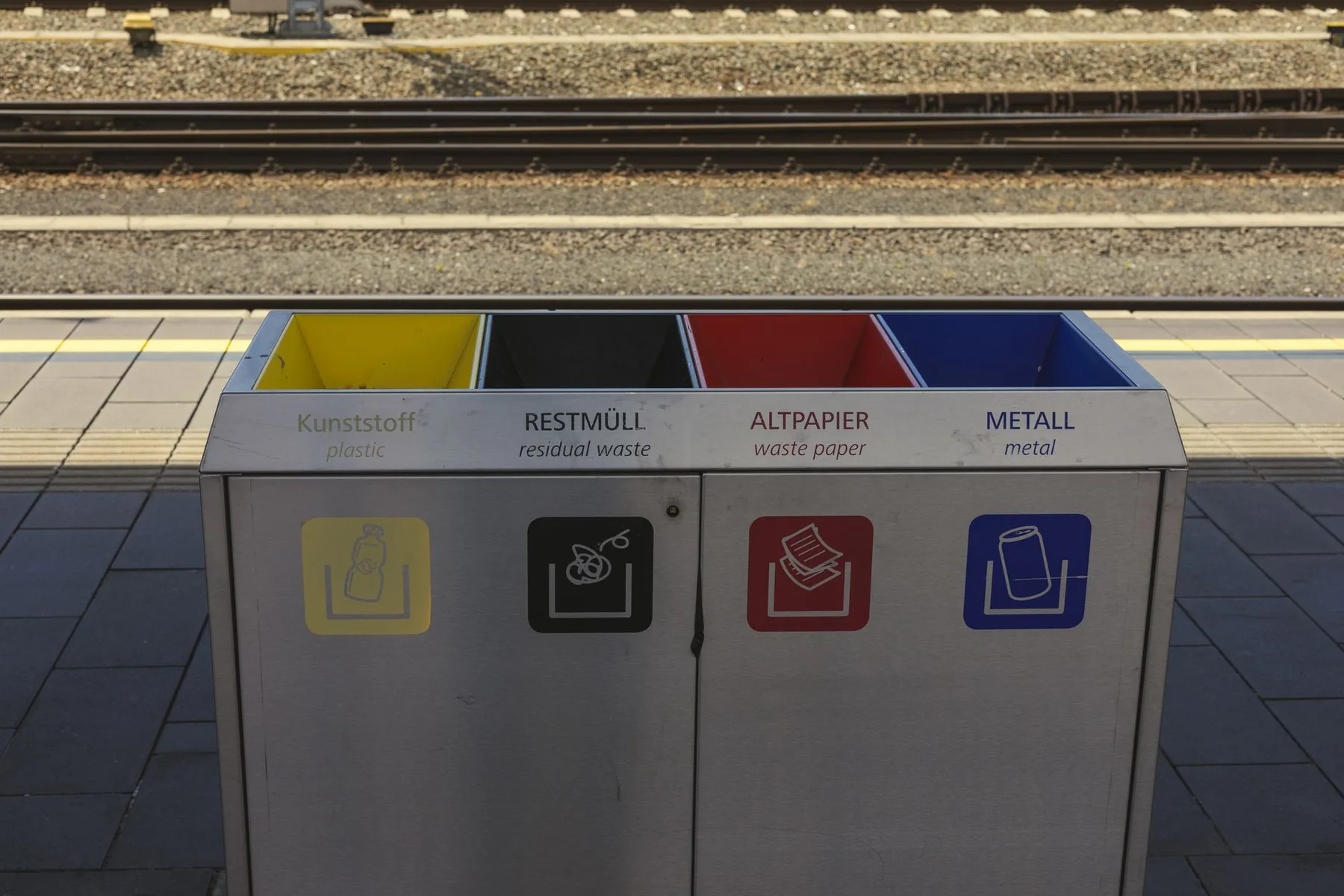
What to do with kit that is finished
In order of how much good it does, which is not the order most people try.
- Keep using it for something — decorating, gardening, rags.
- Pass it on if it is genuinely still wearable.
- Take-back schemes where a retailer runs one.
- Textile banks, which sort for reuse first, recycling second.
- General waste, only when it is genuinely unusable.
The gap between step two and step five matters. A worn-out synthetic top donated to a charity shop usually costs them money to dispose of, so honest sorting before donating is genuinely useful rather than fussy.
Donation, honestly
| Condition | Donate | Why |
|---|---|---|
| Clean, intact, still elastic | Yes | It will be resold |
| Clean but faded | Yes | Still sells |
| Stretched waistband | No | Unsellable, costs them to dispose |
| Stained or holed | No | Textile bank instead |
| Smells even after washing | No | Nobody will buy it |
How to tell whether a garment still has life in it is in our guide to rescuing damaged kit.
Reading sustainability claims
Same pattern as performance claims: specific and verifiable, or marketing. The test is whether a standard or a percentage is named.
| Claim | Means | Verifiable |
|---|---|---|
| “Made with X% recycled polyester” | Post-consumer PET content | Yes, if certified |
| Named third-party certification | Audited supply chain | Yes |
| “Eco”, “conscious”, “responsible” | Nothing specific | No |
| “Recyclable” | Technically, somewhere | Rarely in practice |
| Take-back scheme | The brand accepts returns | Yes, and useful |
Recycled polyester is the one worth understanding. It is usually made from bottles rather than from old clothing, which reduces virgin plastic use but does not solve textile waste. The terminology generally is in our fabric terms guide.
Buying decisions that actually matter
Ranked by effect rather than by how good they feel.
| Decision | Impact | Notes |
|---|---|---|
| Buy fewer, wear longer | Largest | Nothing else comes close |
| Choose durable construction | Large | Seams and elastane quality |
| Buy second-hand | Large | No new production at all |
| Choose single-fibre where possible | Moderate | Rarely possible in activewear |
| Choose recycled content | Modest | Better than virgin, not a solution |
| Choosing a ‘sustainable’ brand | Varies | Check what is actually claimed |
What durable construction looks like is in our guide to what price actually buys, and buying used is covered in our second-hand activewear guide.

Repair is the underrated option
A seam split caught early is ten minutes of work. Left alone it is a bin. Most training kit is thrown out for reasons that were fixable at the time.
- Seam splits — backstitch by hand, ten minutes.
- Drawcords — re-thread with a safety pin.
- Pilling — cosmetic, five minutes with a fabric shaver.
- Stiffness — a stripping wash, no new garment needed.

What this does not mean
Worth being clear, because this subject attracts a lot of absolutism.
Synthetic training kit performs better than the alternatives for most sessions. Cotton is not a greener answer once you account for water use and its far shorter useful life in training. The realistic goal is fewer, better, longer — not a switch to natural fibres that fail faster.
It also does not mean individual choices carry the weight. The share of textile impact that sits with a shopper is small next to what sits with production volumes and industry disposal practice.
What a wardrobe decision does reliably control is how long each garment lasts, which is the one variable genuinely in your hands. One garment that survives four years beats four that survive one, and everything above is detail on how to get there.
The short version
- Blends are effectively unrecyclable at present. Assume it.
- Wash less, cooler, fuller — reduces shedding and extends life.
- Sort honestly before donating.
- Repair small failures rather than replacing.
- Fewer, better, longer beats every label claim.
Frequently asked questions
Can activewear be recycled?
Rarely, in practice. Most training kit is a polyester and elastane blend, and no widely deployed process separates those two fibres economically. Single-fibre polyester can sometimes be chemically recycled, and cotton can be mechanically shredded, but blends and bonded prints contaminate both streams.
What are microfibres and do gym clothes shed them?
Microfibres are tiny fragments that come away from synthetic textiles, mostly during washing rather than wearing. They are small enough to pass through wastewater treatment. Washing less often, cooler, in fuller loads, and using a filter bag all reduce shedding measurably.
Should I donate worn-out gym clothes?
Only if they are genuinely still wearable — clean, intact, and with the elastic still working. A stretched or stained synthetic garment usually costs a charity money to dispose of. Anything past use is better taken to a textile bank, which sorts for reuse first and recycling second.
Is recycled polyester actually better?
Modestly. It reduces virgin plastic use, but it is usually made from bottles rather than from old clothing, so it does not address textile waste and the resulting garment is no easier to recycle at the end of its life. It is better than nothing and a long way short of a solution.
Is cotton a greener choice than synthetic gym clothes?
Not straightforwardly. Cotton uses considerably more water to produce and performs worse in training, so it is washed more and replaced sooner. The decision that reliably matters is buying fewer pieces and keeping them longer, rather than switching fibre.