
Kit Guide
Packing Training Kit: What Earns Its Space
Packing lists argue about volume. The variable that actually decides how many pieces you carry is how long each one takes to dry.
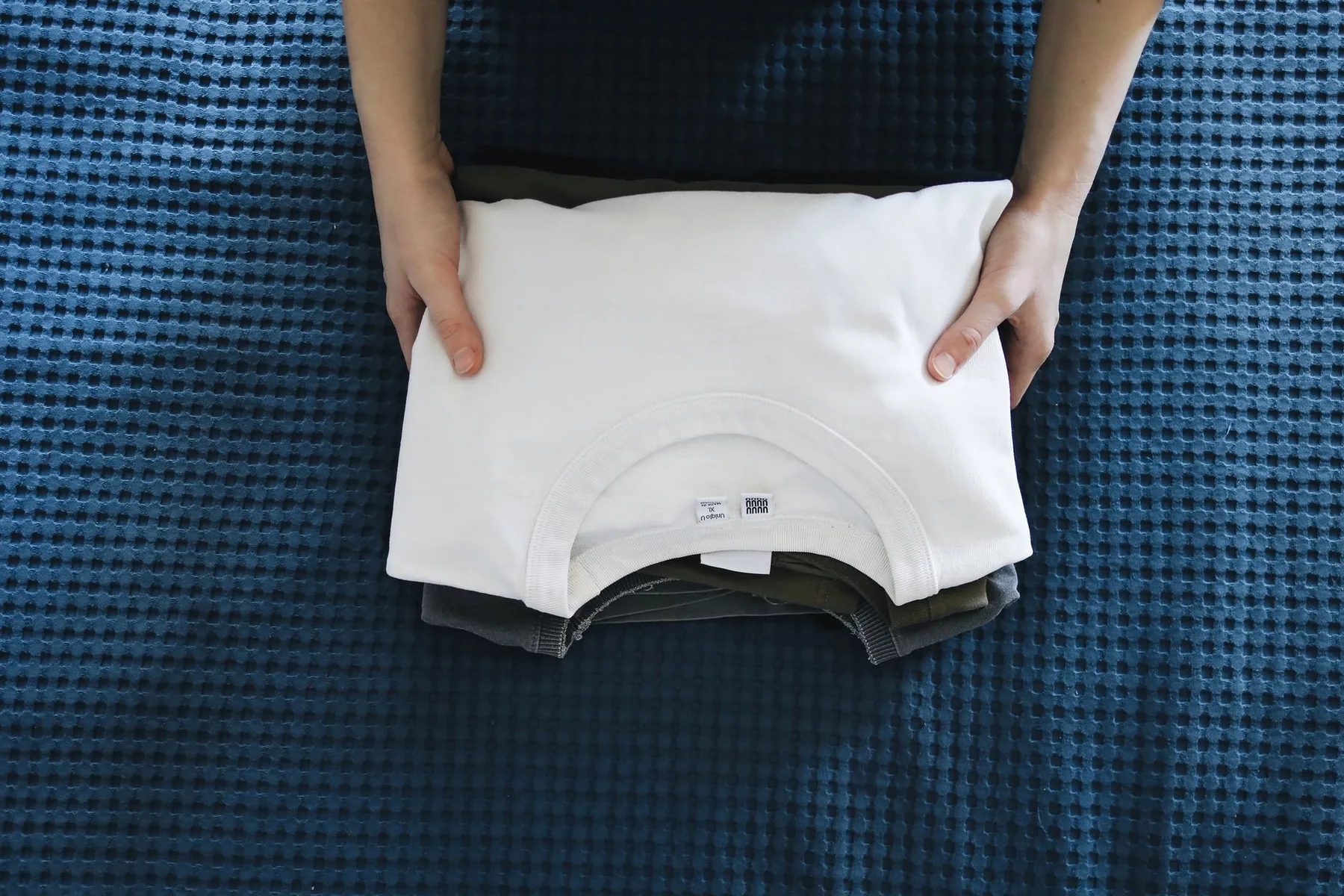
A garment that dries overnight can be worn every other day. One that does not has to be duplicated, and that is where luggage space actually goes.
Why drying time is the whole problem
At home a garment can take two days to dry because you own six others. On a trip you do not, so anything slow forces you to carry a spare.
| Fabric | Dries overnight | Pack |
|---|---|---|
| Light polyester | Yes | Fewest pieces |
| Nylon blend | Yes | Fewest pieces |
| Poly / elastane knit | Usually | One spare |
| Cotton blend tee | Rarely | One per session |
| Heavy cotton hoodie | No | One, worn not packed |
This is the same property that makes synthetics worth wearing to train in the first place, explained in our performance fabric terms guide.
Volume is the easy constraint; time is the real onePack for how fast it dries, not for how small it folds.
A week, packed properly
| Item | Quantity | Why |
|---|---|---|
| Training tops | 3 | Wash one, wear one, dry one |
| Shorts or leggings | 2 | Wash less often than tops |
| Socks | 3 pairs | Fastest to wash, slowest to skip |
| Underwear | 3–4 | Same logic |
| Light layer | 1 | Worn on the plane, not packed |
| Shoes | 1 pair | Worn, never packed |
That is eleven items for a week, and it fits in a corner of a carry-on. Adding a fourth top only helps if the first three are slow to dry.
Rolling, folding and cubes
This is argued about more than it deserves. All three work; they differ in what they cost you.
| Method | Space | Creasing | Finding things |
|---|---|---|---|
| Rolling | Best | Least | Poor |
| Flat folding | Good | Moderate | Good |
| Packing cubes | Slightly worse | Least | Best |
| Compression cubes | Best | Worst | Good |
| Stuffing | Fine for synthetics | Irrelevant | Poor |
Training kit is the one category where stuffing is genuinely defensible. A polyester tee does not crease in a way anyone notices, and it recovers in an hour on a hanger.
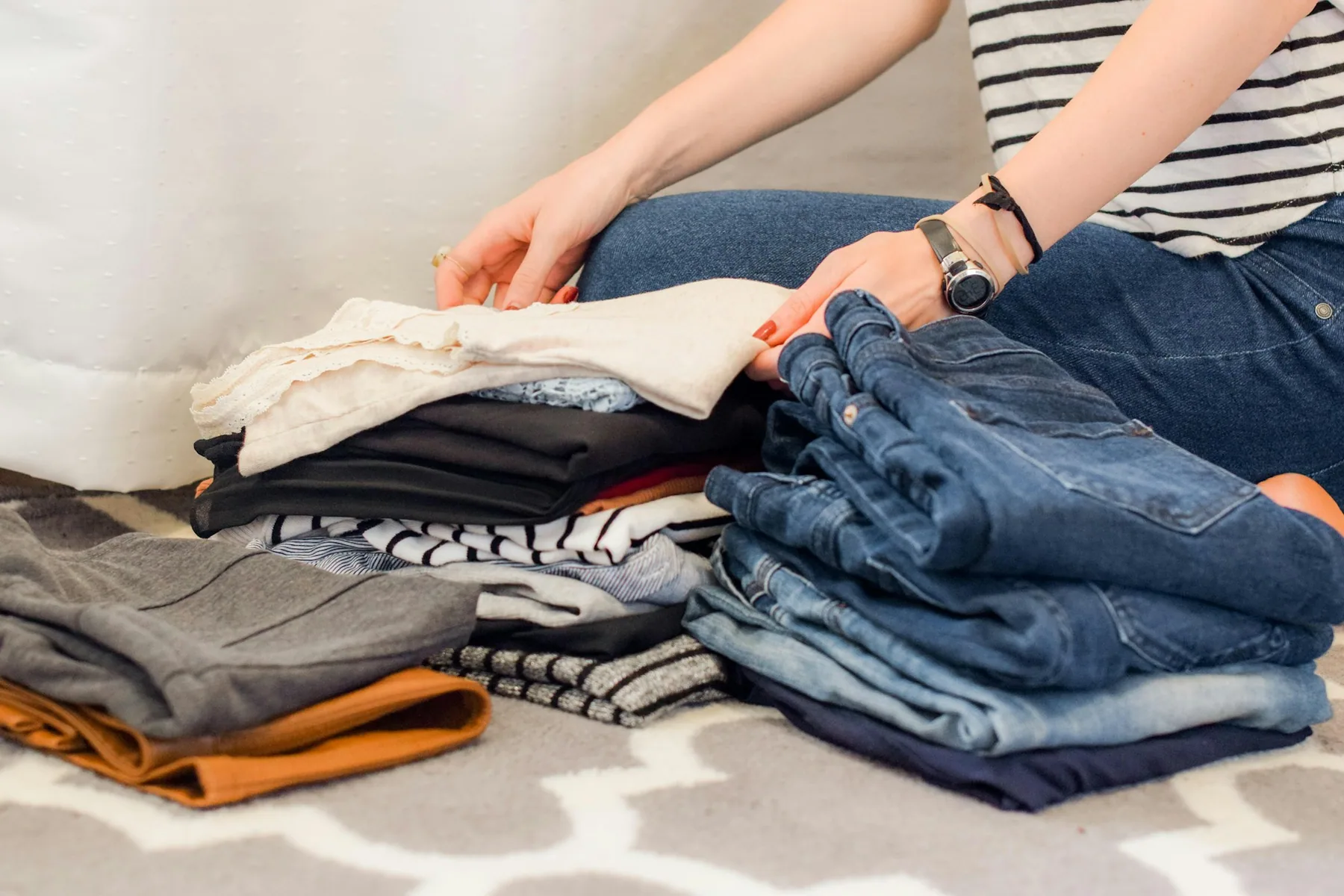
Washing in a sink, properly
Five minutes, and it is what removes the need for a fourth and fifth top.
- Fill the sink with cool water and a small amount of soap.
- Agitate by hand for a minute; do not wring or twist.
- Rinse twice — leftover soap is what makes fabric stiff.
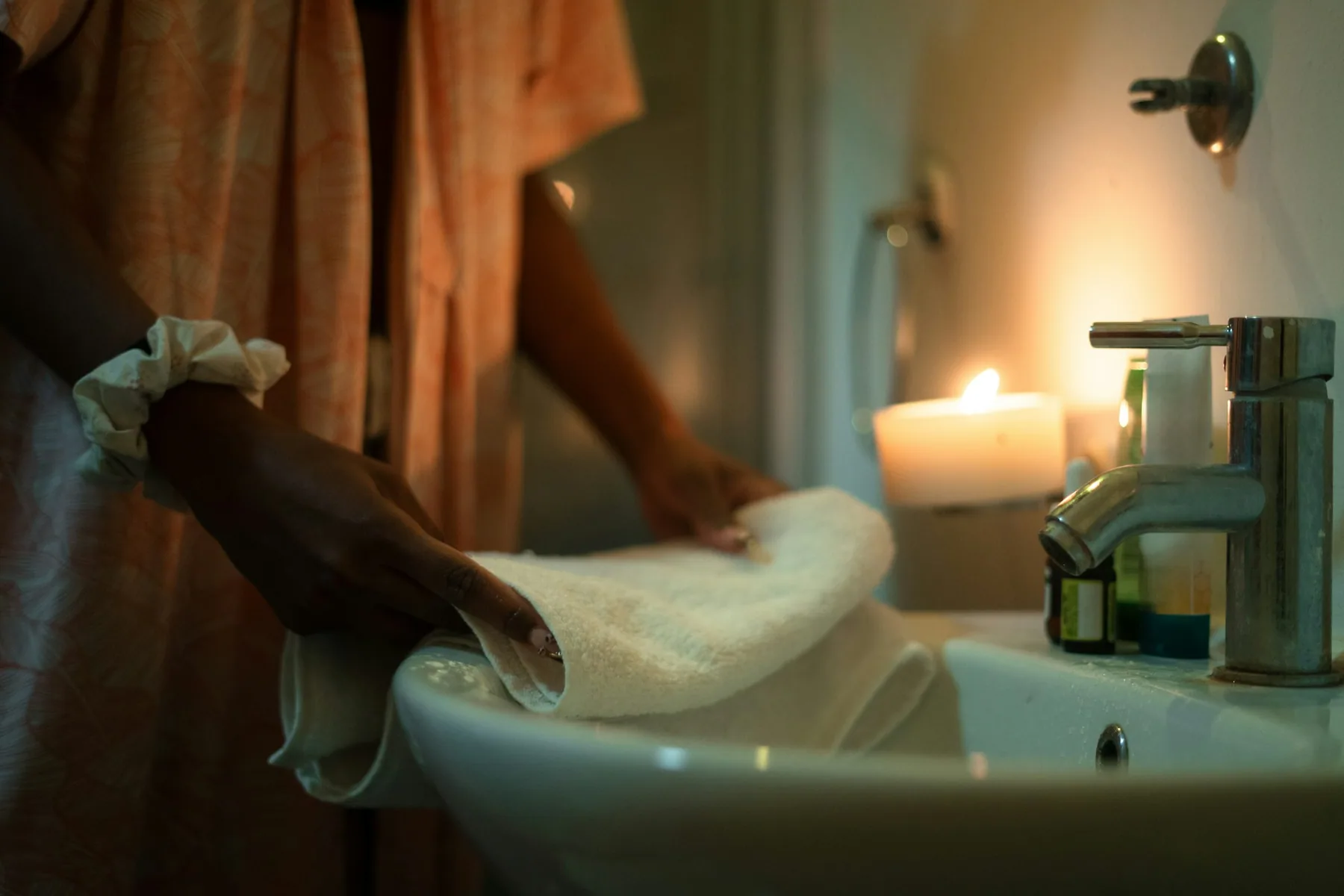
- Roll in a towel and press. This removes most of the water.
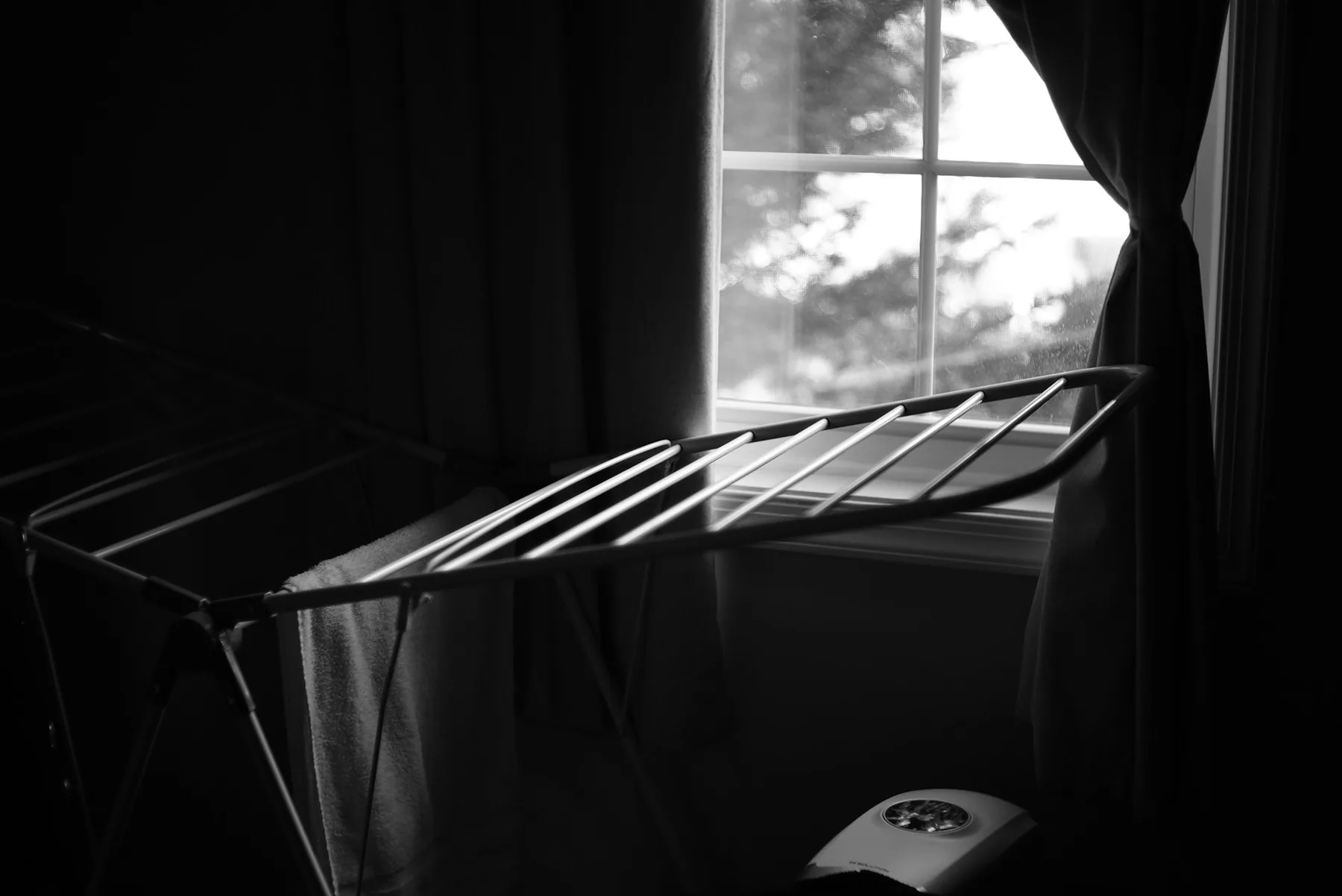
- Hang somewhere moving air reaches, not over a radiator.
The towel step is the one people skip and the one that does the work. A pressed garment dries in a few hours; a dripping one takes all night and sometimes longer.
Drying in a hotel room
- Air movement beats heat. A cracked window outperforms a radiator.
- Hang wide, not folded over a rail in half.
- The bathroom is the worst room — humidity is already high.
- Air conditioning dries fast, because it dehumidifies.
- Never use a hairdryer on elastane. Heat is what kills it.
Why heat destroys stretch, rather than merely shrinking things, is covered in our gym clothes care guide.
Detergent, and what is allowed in hand luggage
Liquid detergent counts as a liquid, which is the thing most people find out at security rather than before.
| Option | Hand luggage | Notes |
|---|---|---|
| Solid soap bar | Yes | Simplest, no volume limit |
| Detergent sheets | Yes | Not a liquid, very light |
| Small liquid bottle | Within limits | Counts toward the liquids allowance |
| Hotel shampoo | Provided | Works, leaves residue |
| Nothing | — | Water alone removes surprisingly little |
Current rules on what can be carried are published by the TSA, and they change, so check rather than assume.
Hotel and gym access, honestly
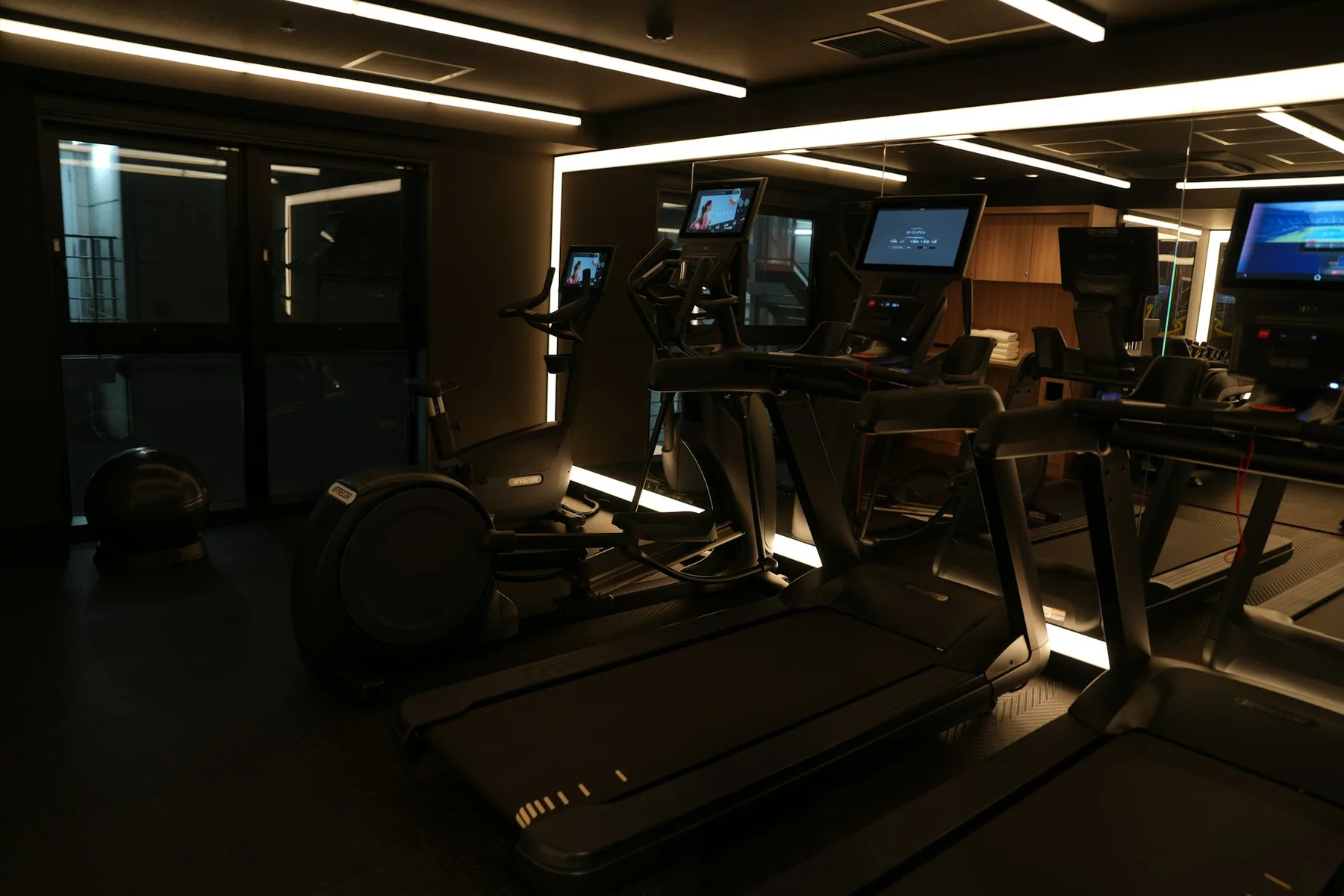
Hotel gyms vary enormously, and the kit implication is simple: assume less equipment and more mirrors than you are used to.
| Facility | Usually has | Plan for |
|---|---|---|
| Business hotel | Treadmills, dumbbells to 25kg | Bodyweight and light work |
| Resort | Cardio, some machines | Similar |
| Budget hotel | Nothing, or a bike | Room work |
| Day pass at a local gym | Everything | A proper session |
| Outdoors | Whatever is there | Weather-appropriate layers |
Dress codes travel too, and they are stricter in some countries than others. Our gym dress code guide covers what is usually enforced.
What to leave at home
- Cotton tees. They are the reason a bag gets heavy.
- A second pair of shoes, unless the sports genuinely differ.
- Anything you have not worn in a month.
- Bulky hoodies. Wear one, do not pack one.
- A towel, in almost all cases.
The one exception worth carrying is a light packable layer, which weighs almost nothing and covers a cold gym or an early start.
Kit that comes home wet
The last session before a flight is the one that causes trouble, because damp synthetic kit sealed in a bag for eight hours is exactly the condition that sets odour permanently.
- Rinse it even if you cannot wash it.
- Press it in a towel before packing.
- Pack it loose, never sealed in plastic.
- Unpack it first when you get home.
- Wash it that day, not at the weekend.
Trips that change the answer
| Trip | Change | Why |
|---|---|---|
| Hot and humid | Add a top, not a bottom | Nothing dries overnight |
| Cold | Add a base layer | Layering beats bulk |
| Long-haul with a stopover | Wear the layer | Cabins run cold |
| Camping or no laundry | Pack per session | No washing option |
| Two weeks | Same as one week | You wash midway regardless |
Two weeks needing the same kit as one week is the point most packing lists miss. Past about five days, laundry — not quantity — is what solves it.
The short version
- Three tops, two bottoms covers a week if they dry overnight.
- Wash in the sink and press in a towel. That is the whole trick.
- Air, not heat. Never a hairdryer on elastane.
- Leave the cotton and the second pair of shoes.
- Never seal damp kit in a bag for a flight.
Frequently asked questions
How many gym clothes should I pack for a week?
Three training tops, two pairs of shorts or leggings, three pairs of socks and three or four sets of underwear, plus one light layer worn rather than packed. That covers seven days provided the tops dry overnight, which quick-drying synthetics do and cotton does not.
How do you wash gym clothes in a hotel sink?
Fill the sink with cool water and a little soap, agitate by hand for a minute without wringing, then rinse twice so no soap is left. Roll the garment in a dry towel and press it firmly — this removes most of the water — then hang it somewhere air is moving.
How do you dry training kit quickly in a hotel room?
Air movement matters more than heat. Press the water out in a towel first, hang the garment fully open rather than folded over a rail, and use a cracked window or the air conditioning rather than a radiator. Never use a hairdryer on anything containing elastane, because heat is what destroys stretch.
Can you take laundry detergent in hand luggage?
Liquid detergent counts toward the liquids allowance, so a solid soap bar or detergent sheets are simpler because neither is a liquid. Rules change and vary by country, so check the current guidance from your departure airport’s authority before flying.
What should you not pack for training on a trip?
Cotton tees, a second pair of shoes unless the sports genuinely differ, bulky hoodies, and a towel. Cotton is the single biggest cause of a heavy bag, because it holds water and will not dry overnight, which forces you to carry one per session.