Kit Guide
Gym Dress Codes: What Is Usually Allowed and What Is Not
Almost every gym has a dress code, almost nobody reads it, and the rule that catches people out is nearly always about how much of the side of the torso is showing.
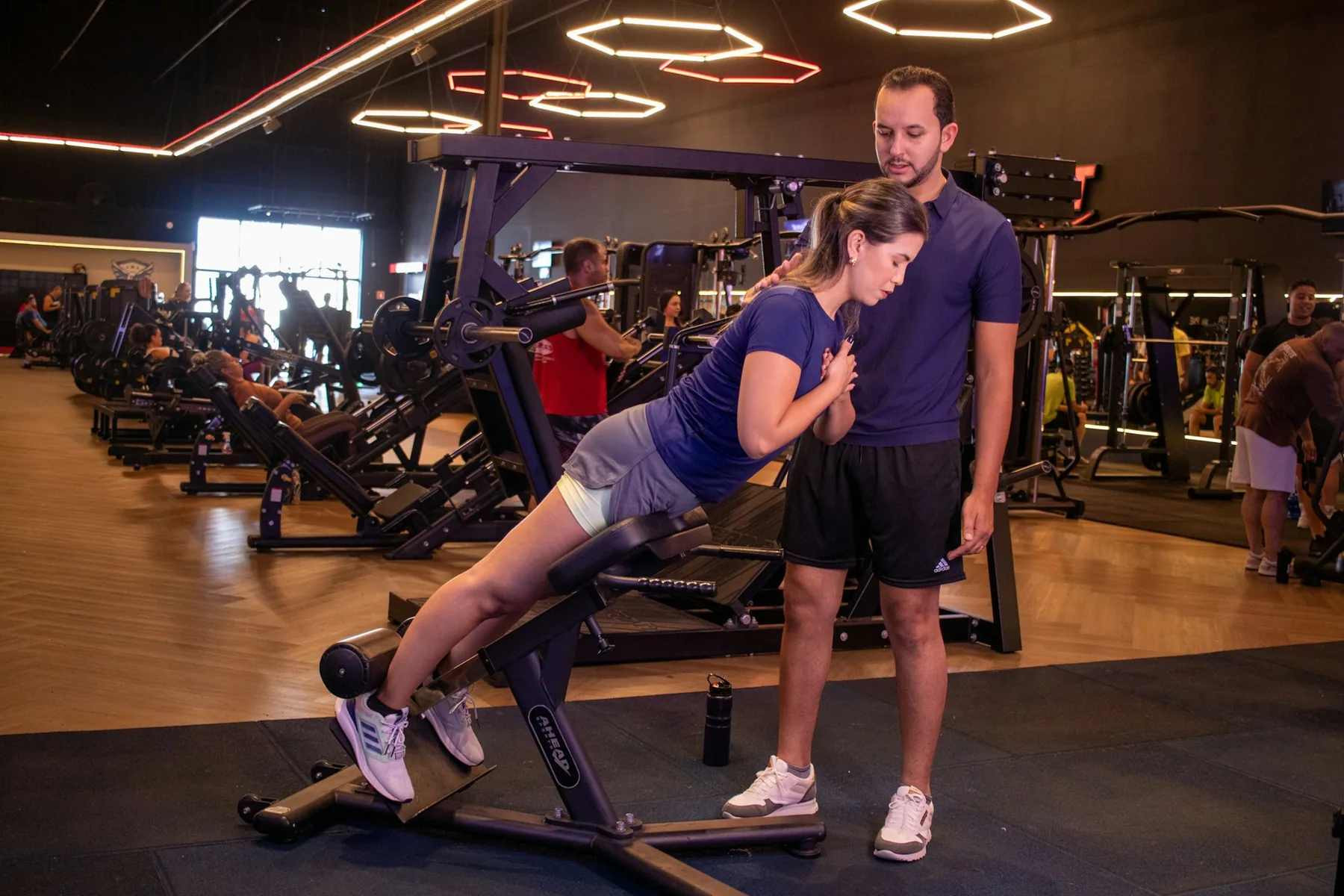
Dress codes exist for three reasons: skin on shared upholstery, metal fastenings on padded equipment, and footwear on a floor where things get dropped. Almost every rule traces back to one of those.
The rule that actually catches people
Not tank tops as such. It is how deep the armhole is cut, and how much of the side of the torso is visible when your arms are down.
| Typical policy wording | What it means | Passes |
|---|---|---|
| “Must cover chest and back” | No open-sided vests | Standard and muscle tanks |
| “Armpit gap smaller than your palm” | Armhole depth limit | Most muscle tanks |
| “No ripped or cut-out sides” | No home-made cut-offs | Manufactured tanks only |
| “No stringers” | Narrow strap, very deep armhole | Nothing stringer-cut |
| “Full torso covered” | Ribs covered when arms raise | Standard tanks and tees |
Where each cut sits on that scale is the whole subject of our stringer and tank comparison, and armhole depth is covered numerically in the workout tank top guide.
Depth, not the garment category, is what the rule measuresNobody bans tank tops. They ban armholes.
Why the rules exist
They read as arbitrary until you know what they are protecting.
| Rule | Reason | Not about |
|---|---|---|
| Covered torso | Sweat on shared upholstery | Modesty |
| Closed-toe shoes | Dropped plates and bars | Appearance |
| No jeans or studs | Rivets tear bench padding | Formality |
| Clean outdoor shoes | Grit damages floors and treadmills | Tidiness |
| Shirt on at all times | Equipment hygiene | Body image |
A published example: Liberty University’s campus recreation department publishes its dress code openly, and the structure — torso coverage, closed-toe footwear, no fastenings — is typical of what commercial gyms use too.
Where codes are strictest and loosest
The same outfit can be fine in one place and refused in another a mile away.
| Venue | Typical stance | Plan for |
|---|---|---|
| Budget chains | Strictest — explicit written codes | Standard tank or tee |
| University and council gyms | Strict, publicly published | Full torso coverage |
| Independent strength gyms | Loosest | Anything, usually |
| Hotel and office gyms | Moderate but enforced by staff | A tee |
| Group class studios | Moderate, plus footwear rules | Fitted kit, indoor shoes |
Footwear is the least negotiable rule
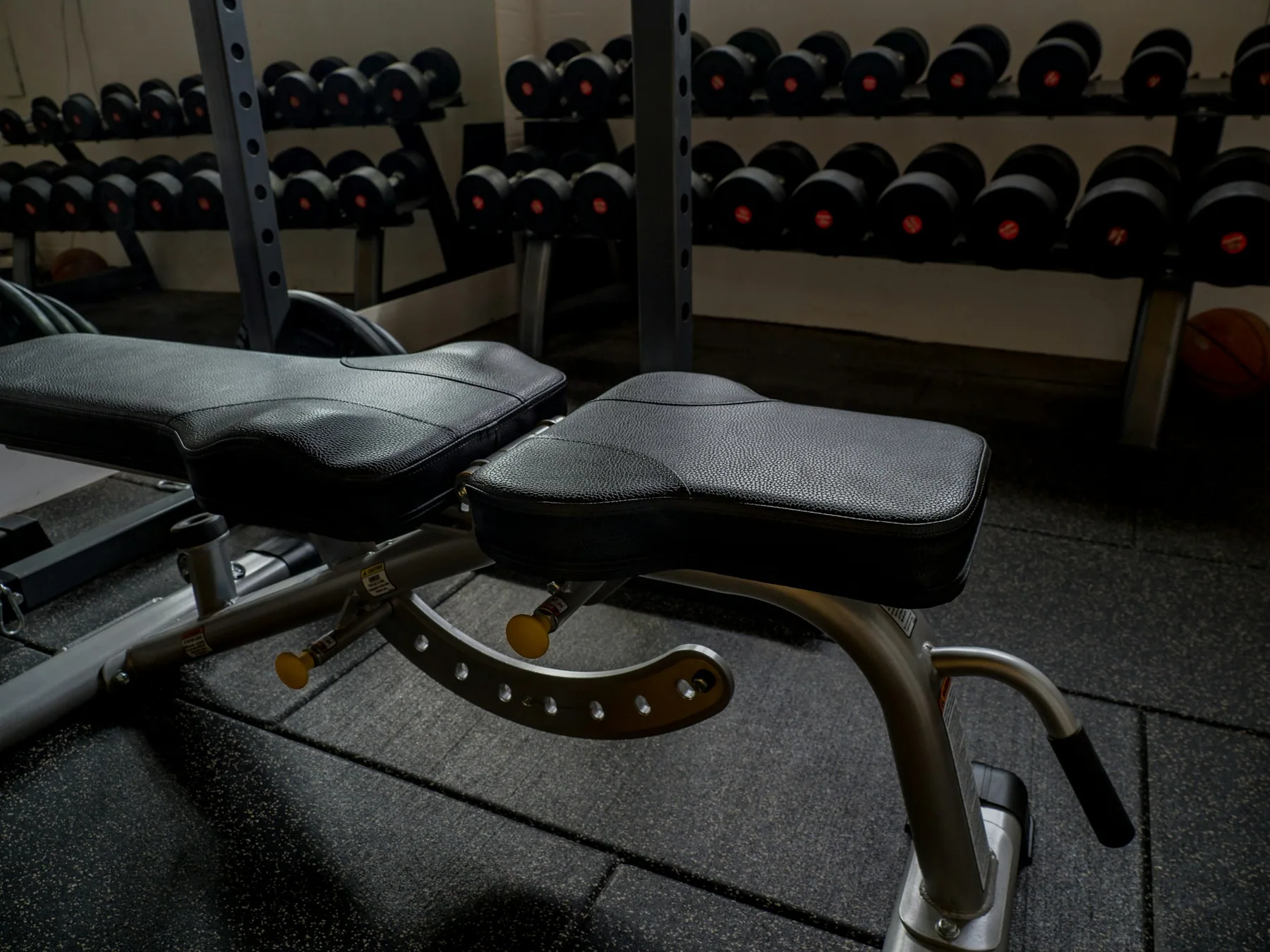
Coverage rules vary. Footwear rules almost never do, because the risk is a dropped plate rather than an opinion.
- Closed toe, always — no sandals, no slides on the floor.
- Clean soles; many gyms ask you to change at the door.
- Barefoot lifting is banned in most commercial gyms.
- Flat soles for lifting are a preference, not usually a rule.
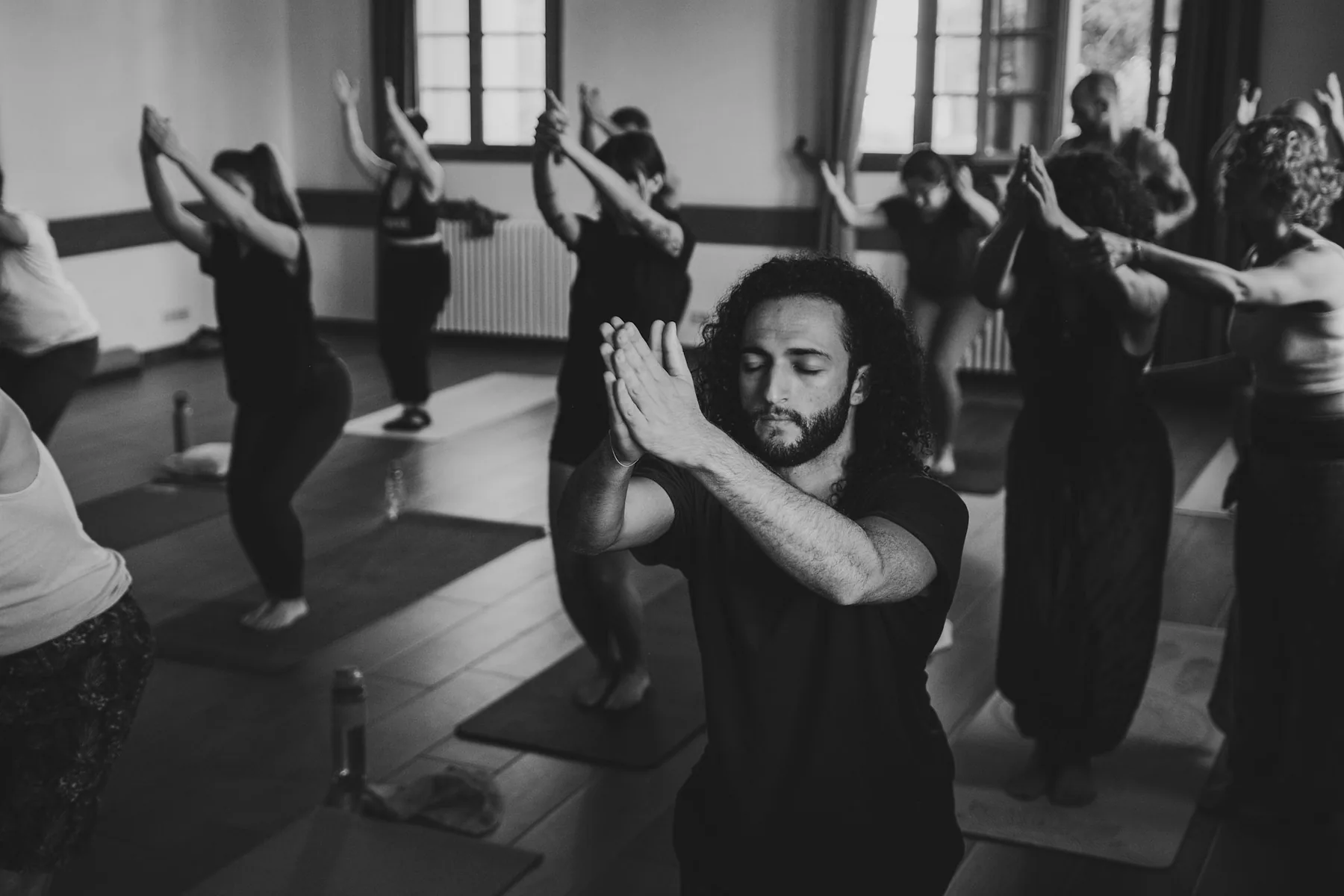
Kit that passes anywhere
If you train in more than one place, or travel, it is worth owning one outfit that will not be questioned in any of them.
- A standard or muscle tank with a shallow armhole, or a tee.
- Shorts at 7 inch or longer, no visible fastenings.
- Clean closed-toe shoes carried and changed at the door.
- A towel, which several codes require rather than suggest.
- A layer you can put on if asked to cover up.
Which inseam suits which session is in our gym shorts length guide, and the cut that gives shoulder freedom while keeping the shoulder covered is the subject of the cap sleeve guide.
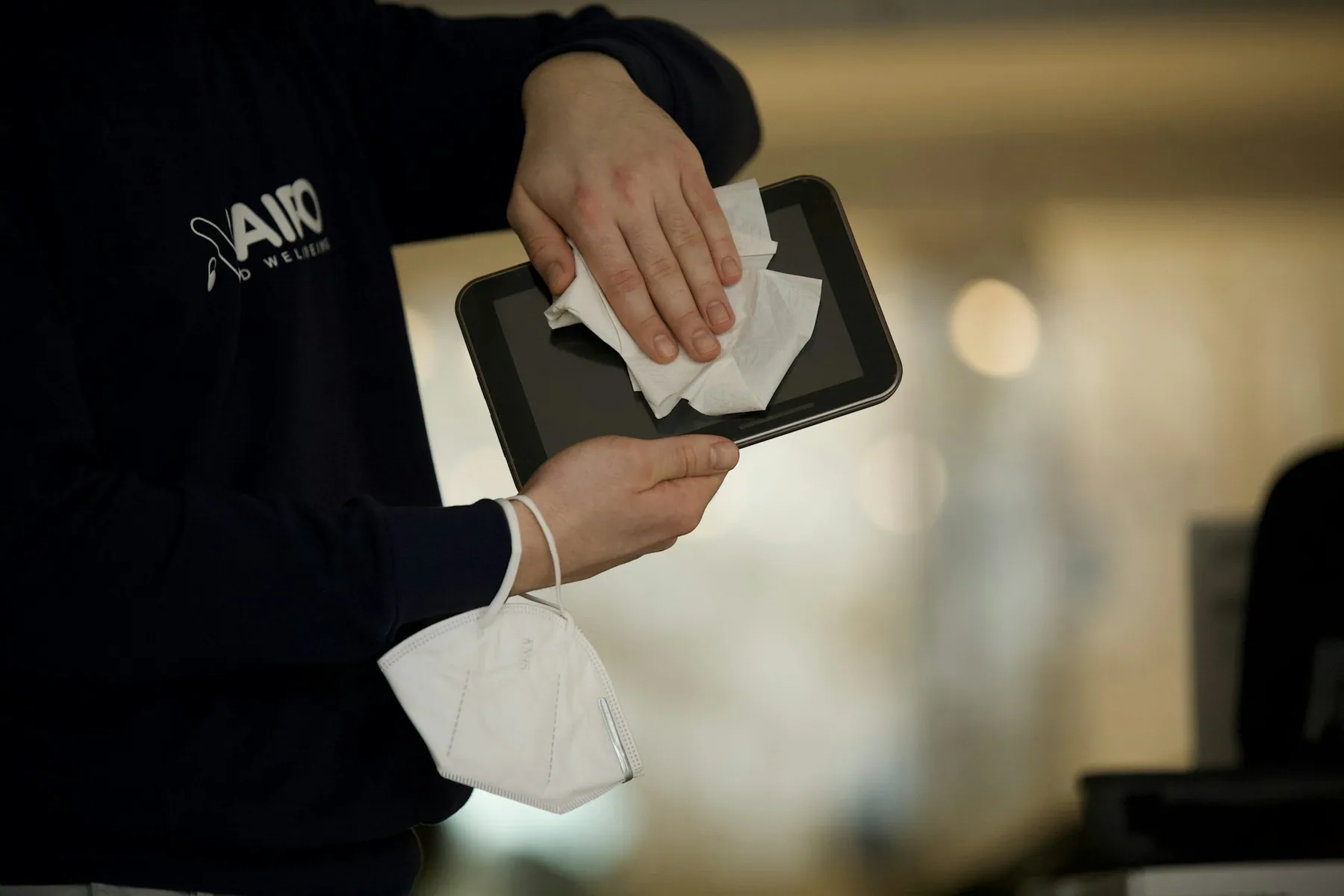
If you get asked to change
It happens, and it is almost never personal. Staff enforce a written policy they did not draft.
- Ask which rule applies; it is usually posted or in the app.
- Keep a spare tee in the bag — the fastest way to end it.
- Check before joining if you train in stringers regularly.
- Codes change; a gym that was relaxed last year may not be.

The rules that apply differently to women
Dress codes are written to sound neutral and in practice fall unevenly. It is worth knowing which clauses tend to be applied more often.
| Garment | Typical policy | In practice |
|---|---|---|
| Sports bra alone | Usually prohibited as a top | Enforced more often than tanks |
| Crop top | Often restricted by torso coverage | Depends heavily on the venue |
| Leggings | Almost never restricted | Opacity is the practical issue |
| Cropped hoodie | Usually fine | Rarely questioned |
| Racerback vest | Fine under most codes | Rarely questioned |
The practical answer is the same as for anyone else: own one outfit that covers the full torso and passes without discussion, and keep a layer in the bag for venues you have not been to before.
Support levels, opacity and cut for women’s kit are covered in our women’s training kit guide.
Codes are getting looser, slowly
The direction of travel is toward fewer restrictions, driven mostly by independent strength gyms competing on atmosphere rather than on rules.
Two things push the other way. Shared equipment hygiene became a far more visible concern in recent years, and the coverage clauses are the easiest lever a facility has. And insurance requirements around footwear have not loosened at all, which is why that rule remains the one constant.
The practical consequence is that it is worth re-checking a gym you have not visited in a couple of years, in either direction. A place that turned you away in a muscle tank may not now, and a chain that never enforced its code may have started.
If you are joining somewhere new and you train in anything cut close to the line, the fastest check is the membership page rather than the front desk. Most chains publish the code, and it takes less time than being asked to change on your first visit.
The short version
- The restricted thing is armhole depth, not tanks.
- Closed-toe shoes are the one universal rule.
- Rules protect upholstery and floors, not modesty.
- Budget chains are strictest; independent gyms loosest.
- Keep one outfit that passes anywhere.
Frequently asked questions
Do gyms have dress codes?
Most do, though enforcement varies enormously. Budget chains and university facilities usually publish explicit written codes; independent strength gyms are typically the most relaxed. The rules almost always cover torso coverage, closed-toe footwear and clothing with metal fastenings.
Why are stringers banned at some gyms?
Because of the armhole, not the garment. A stringer has a very deep armhole and narrow strap, so a large area of the side of the torso is against shared upholstery. Most codes are written as a coverage requirement rather than a ban on a specific style.
Can you wear tank tops to the gym?
Usually yes, provided the chest, back and ribs stay covered. Common wordings limit the armhole to roughly the size of your palm, or prohibit cut-out sides. A standard or muscle tank normally passes; a stringer or a home-made cut-off often does not.
What shoes are required at the gym?
Closed-toe athletic shoes, effectively everywhere. This is the least negotiable rule because the risk is a dropped plate rather than a matter of taste. Barefoot lifting is prohibited in most commercial gyms, and many ask you to change out of outdoor shoes at the door.
Why are jeans not allowed in gyms?
Rivets, studs and heavy zips tear bench and machine upholstery, and denim does not stretch or breathe. The rule is about protecting equipment rather than about formality, which is why it usually appears alongside coverage and footwear rules.