Kit Guide
Gym Stringers vs Tank Tops: Which to Wear and When
A stringer is not simply a smaller tank. The strap width and armhole depth change how the garment moves, how it handles sweat, and whether your gym will actually let you wear it.
Both remove the sleeve. The difference is how much of the shoulder girdle stays covered — and that has practical consequences beyond how it looks.
The actual difference
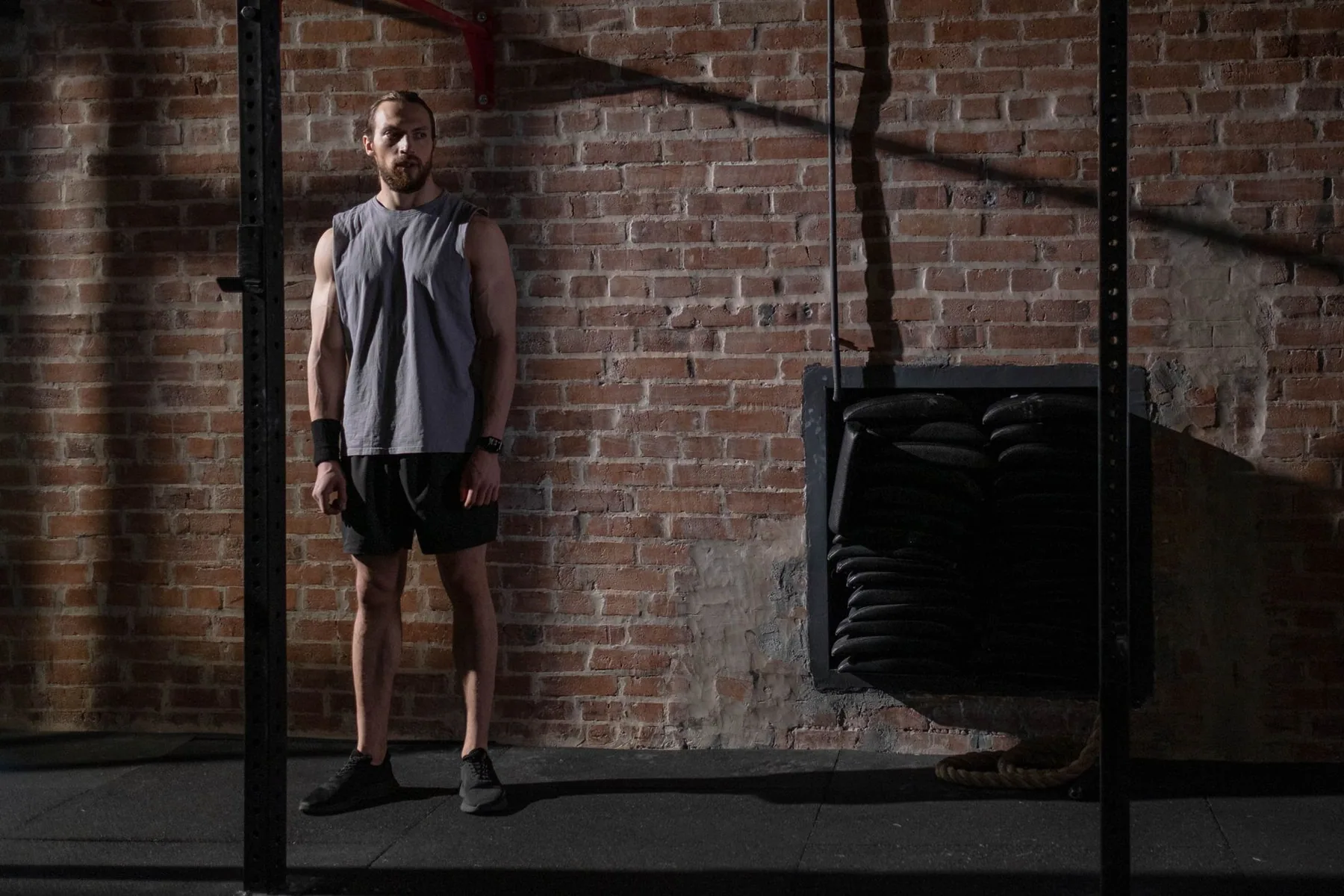
A tank top has wider straps and a higher armhole, covering most of the shoulder and the side of the chest. A stringer narrows the strap to a few centimetres and drops the armhole toward the ribs.
| Stringer | Tank top | Muscle tee | |
|---|---|---|---|
| Strap width | 2–4 cm | 5–9 cm | Full sleeve |
| Armhole depth | Drops to the ribs | Sits under the armpit | Standard |
| Shoulder coverage | Minimal | Most of the deltoid | Full |
| Airflow | Highest | Good | Moderate |
| Chafing risk | Low at the arm, higher at the strap | Low | Lowest |
| Gym dress codes | Sometimes restricted | Almost always fine | Always fine |
| Best for | Arm and shoulder days, hot gyms | General training | Everything else |
The cut under the arm is what catches during pressingArmhole depth decides comfort, not strap width.
The MuscleDog Stringer Y-Back muscle workout tank and the fuller-cut MuscleDog Muscle Tank sit at either end of that spectrum, and both appear in our bestselling gym apparel.
Y-back tank tops, racerbacks and standard cuts: the back matters most
Most people choose a vest by looking at the front. The back panel is what determines whether the straps stay put when you press or pull.
| Back cut | How it looks | Strap behaviour | Best for |
|---|---|---|---|
| Y-back | Straps converge into a Y between the shoulder blades | Stays central, rarely slips | Pressing, pulling, heavy work |
| Racerback | Straps meet high in a narrow band | Very stable, slightly warmer | Conditioning, mixed sessions |
| Standard / straight | Two parallel straps | Can slide outward under load | Casual training, general wear |
| Drop armhole | Deep cut with a wide back panel | Maximum airflow, most exposure | Hot gyms, arm days |
This is why “Y-back tank” is a search in its own right. The Y keeps the straps off the shoulder point, which is exactly where a strap gets shoved during an overhead press or a heavy row.
Shoulder freedom is the real argument for a stringer
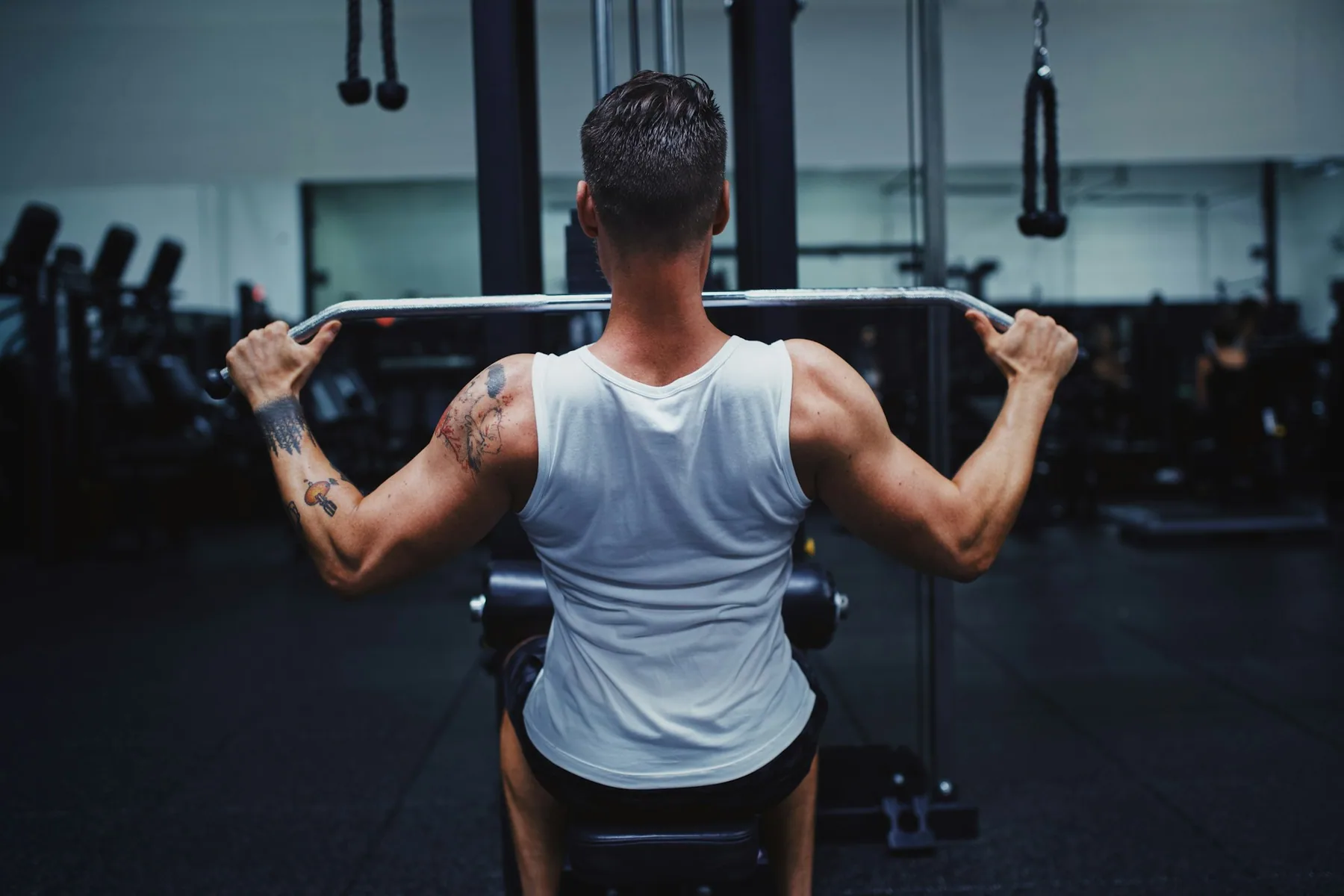
The reason lifters gravitate to stringers is not vanity alone. A deep armhole removes fabric from the path of the shoulder blade as it rotates upward.
Overhead work involves substantial scapular movement — the ACE exercise library is a useful reference for how much travel a standard press actually requires. Anything gripping the deltoid fights that motion.
- Overhead press and lateral raises: stringers win clearly.
- Bench and dips: either works; a stringer can chafe against a bench pad.
- Back work: Y-back or racerback, so straps do not migrate.
- Conditioning and running: tank tops, for coverage and less strap movement.
The practical downsides nobody mentions
Stringers have three genuine drawbacks, and they are worth knowing before you buy four of them.
| Issue | Why it happens | Fix |
|---|---|---|
| Strap chafing | Narrow strap concentrates pressure on one line | Choose a flat-seam strap or a slightly wider cut |
| Bench and machine contact | Bare skin against shared upholstery | Carry a towel — expected etiquette anyway |
| Gym dress codes | Some commercial gyms require covered shoulders | Keep a tank or tee in the bag |
| Sun exposure | Deep armholes leave the lats and ribs uncovered | Not an outdoor training garment without sunscreen |
| Fit at the ribs | Deep cut can gape when hinging forward | Size for the chest; check by bending over |
The dress-code point is the one that catches people out. Plenty of commercial chains still require shoulders covered, and a stringer is the first thing a front desk will flag. Check before you rely on one.
Fabric and fit
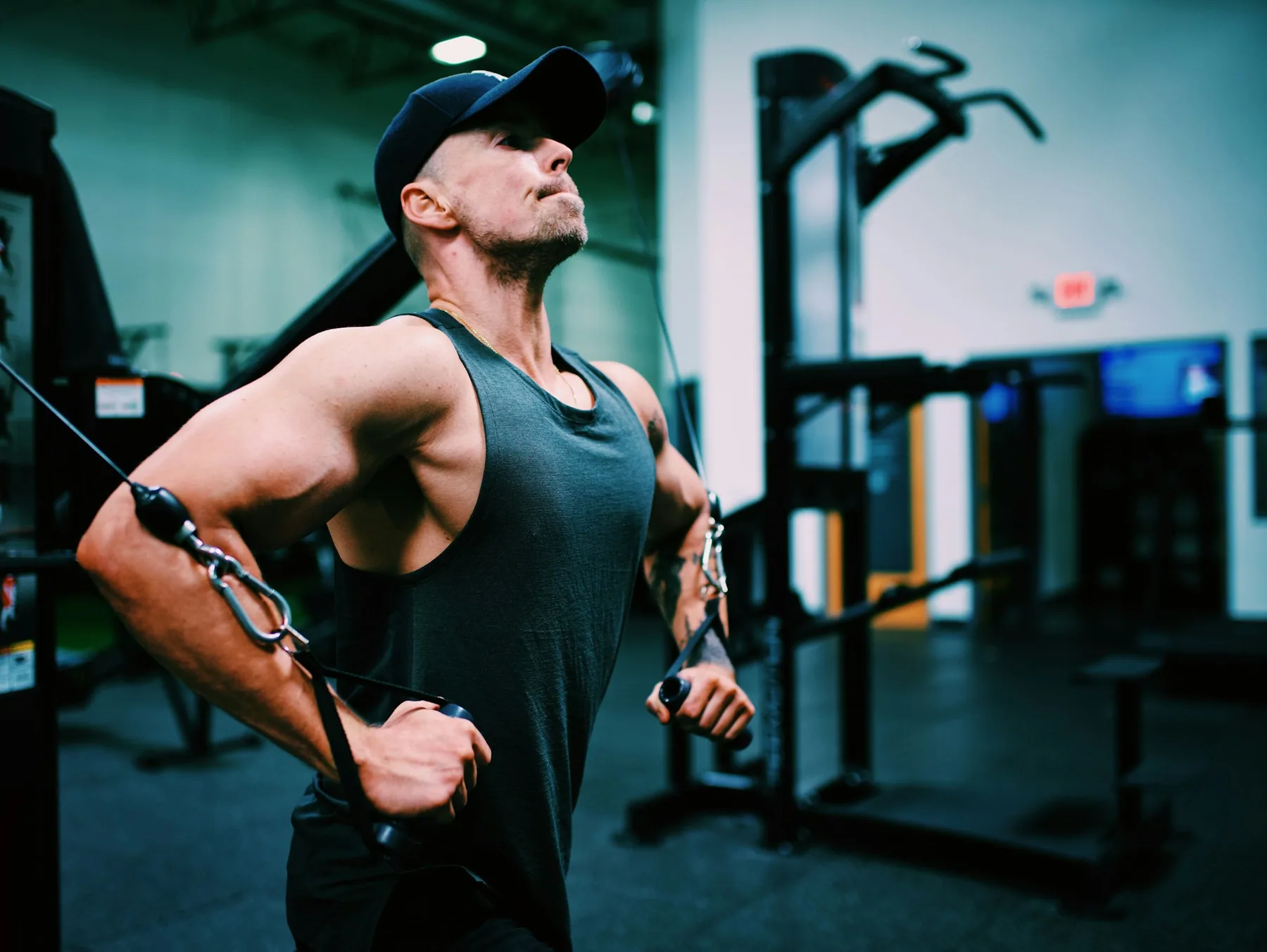
Vests live against bare skin for a whole session, so fabric choice is felt more sharply here than in a t-shirt.
| Fabric | Sweat handling | Feel on skin | Best for |
|---|---|---|---|
| Cotton jersey | Absorbs and holds | Softest | Short sessions, casual wear |
| Cotton/poly blend | Balanced | Soft, holds shape | Everyday training |
| Quick-dry polyester | Wicks fast | Slick, can cling | Hot gyms, conditioning |
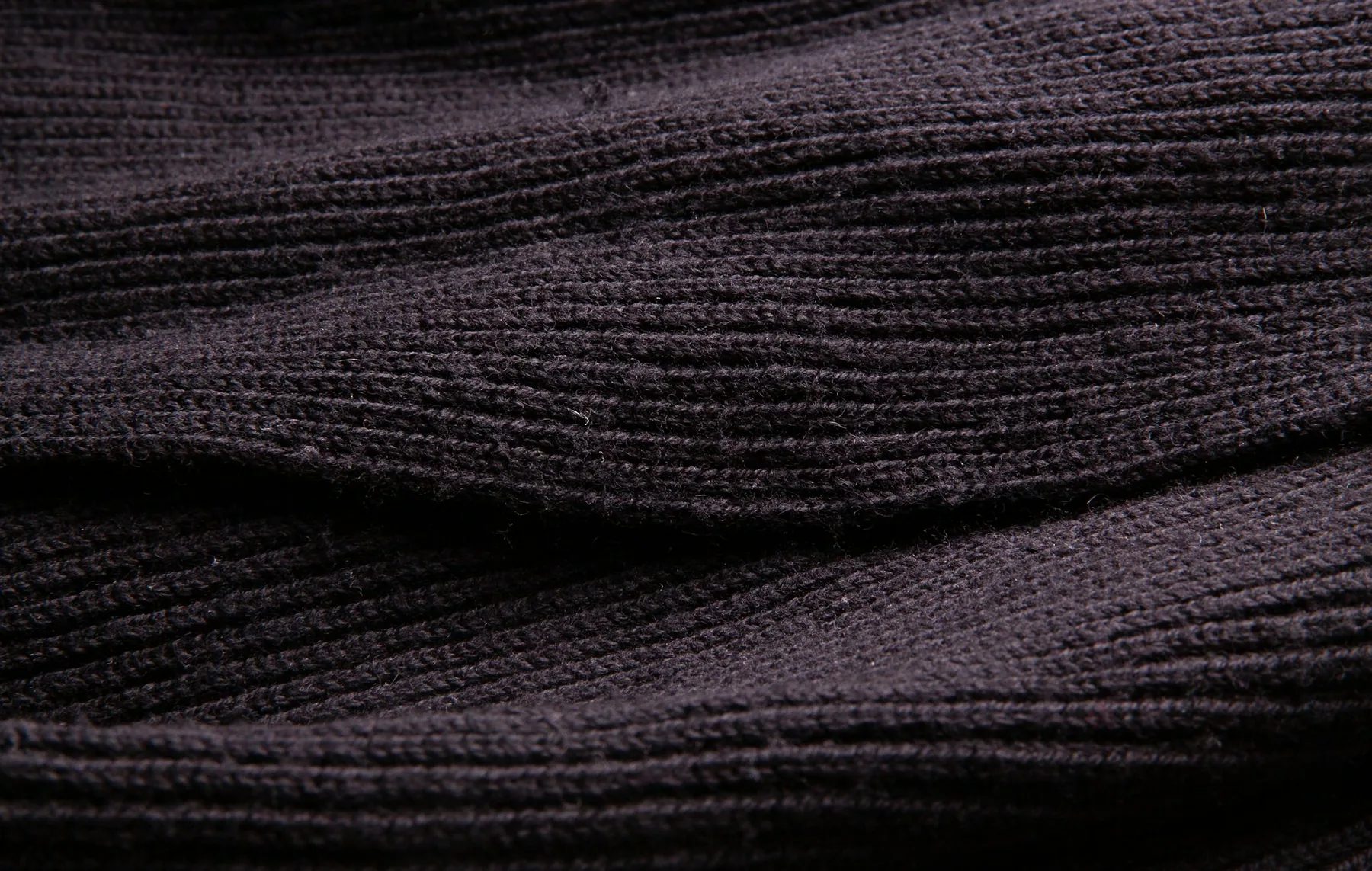
| Ribbed knit | Moderate | Structured, stretchy | Fitted looks, layering |
Fit should be close but never compressive. A vest that grips the ribs restricts the breathing you need under a heavy set. If you want compression, wear a base layer under a looser vest rather than buying a tight one.
Which should you buy?
- Training mostly arms, shoulders and chest in a hot gym — stringer, Y-back.
- Mixed sessions, machines and conditioning — tank top.
- Commercial gym with a dress code — tank top, keep the stringer for home or hardcore gyms.
- Training outdoors — tank or tee, for sun coverage.
- Building a first set — two tanks and one stringer covers almost every case.
Our men’s apparel collection carries both cuts, and the women’s range includes cropped and full-length vests. If you are deciding what to wear underneath or over the top, the muscle shirt versus regular tee comparison covers the sleeved options.
Why stringers size differently
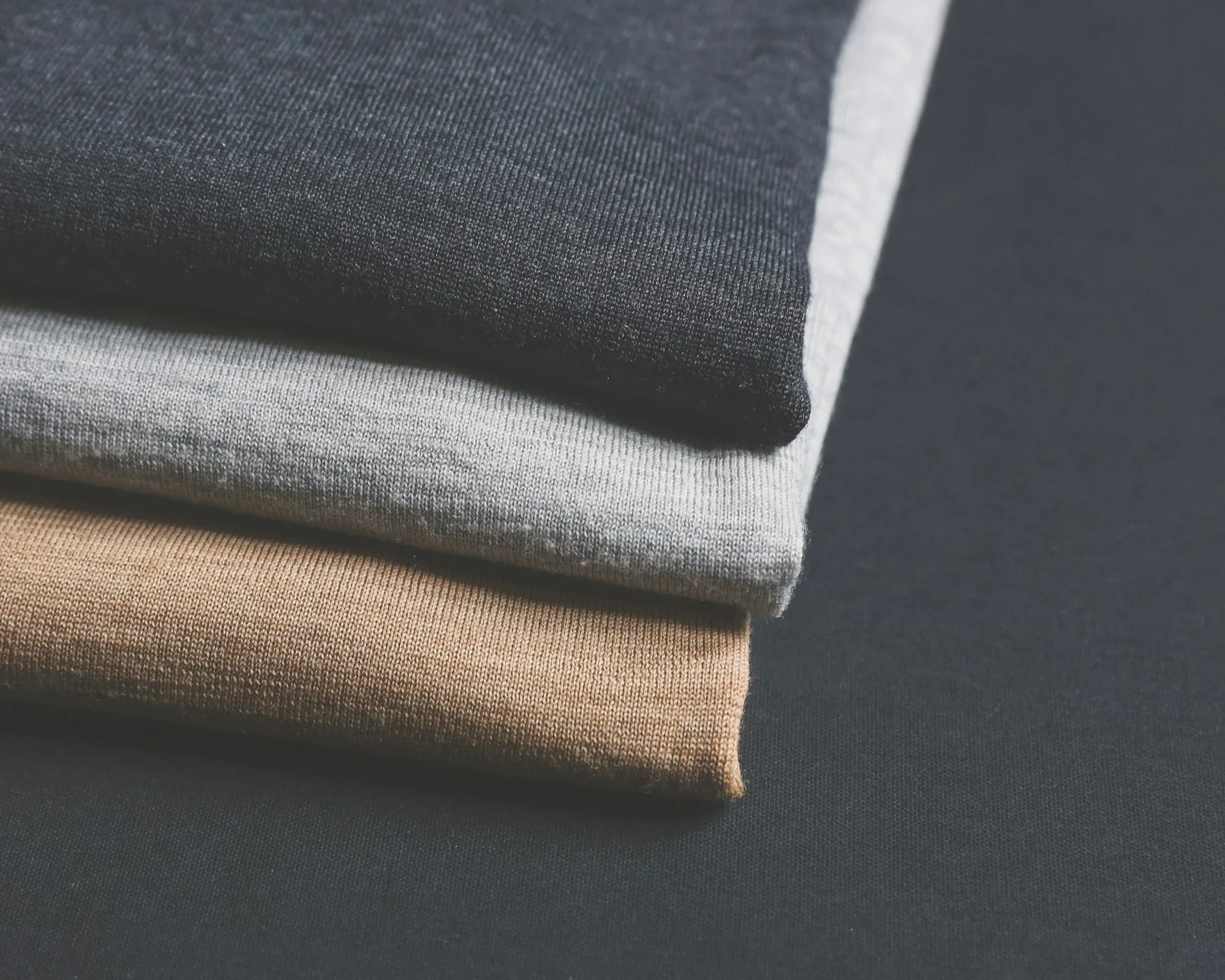
Stringers are cut narrower through the body than tanks from the same brand, and the armhole depth is rarely printed on a size chart. Two mediums from different labels can differ by several centimetres at the strap.
Buy on your chest measurement, then judge the armhole against your own ribcage rather than the label. If the cut reaches below your lowest rib, expect it to gape when you hinge forward over a bench or a rack.
- Chest: measure at the widest point, arms relaxed at your sides.
- Strap width: under 2 cm concentrates pressure and chafes on volume days.
- Body length: should cover your waistband with both arms overhead.
- Asian sizing: commonly one to two sizes smaller than US equivalents.
When you are between sizes, size up on a stringer and down on a tank. A slightly loose stringer still hangs correctly, while a loose tank simply looks oversized.
Care: vests fail at the strap first
- Wash cold — heat destroys the elastane that keeps narrow straps in shape.
- Never wring a stringer strap; it distorts permanently.
- Air dry flat where possible.
- Wash separately from anything with velcro, which shreds thin straps.
If you have settled on a tank rather than a stringer, our guide to choosing a workout tank goes further into armhole depth, fabric weight and back construction.
If you want the cut that sits between a stringer and a t-shirt, our cap sleeve workout top guide covers shoulder coverage without a seam under the arm.
Frequently asked questions
What is the difference between a stringer and a tank top?
A stringer has narrow straps of roughly 2–4 cm and a deep armhole that drops toward the ribs, exposing most of the shoulder and side chest. A tank top has wider straps of 5–9 cm and a higher armhole that covers the deltoid. The stringer gives more airflow and shoulder freedom; the tank gives more coverage.
Are gym stringers allowed in commercial gyms?
Not always. Many commercial chains require shoulders to be covered, and a stringer is usually the first garment a front desk will flag. Check your gym’s dress code before relying on one, and keep a tank top in your bag as a fallback.
What is a Y-back tank top?
A Y-back has straps that converge into a Y shape between the shoulder blades rather than running parallel down the back. The convergence keeps the straps off the shoulder point, so they are far less likely to slide outward during overhead pressing or heavy rowing.
Do stringers cause chafing?
They can. A narrow strap concentrates pressure along a single line, which becomes noticeable on high-volume pressing days. Flat-seam construction or a slightly wider strap solves it. Bare skin against bench upholstery is the other friction point, which a towel handles.
Should a gym vest be tight or loose?
Close but never compressive. A vest that grips the ribcage restricts the breathing you need under heavy sets. Size for the chest and check the fit by hinging forward — a deep armhole that gapes badly when you bend is cut too large.