Kit Guide
Workout Tank Tops: Armhole, Fabric Weight and Fit
Most tank advice is about strap width. The measurement that actually decides whether you can press overhead is the armhole depth, and almost nobody publishes it.
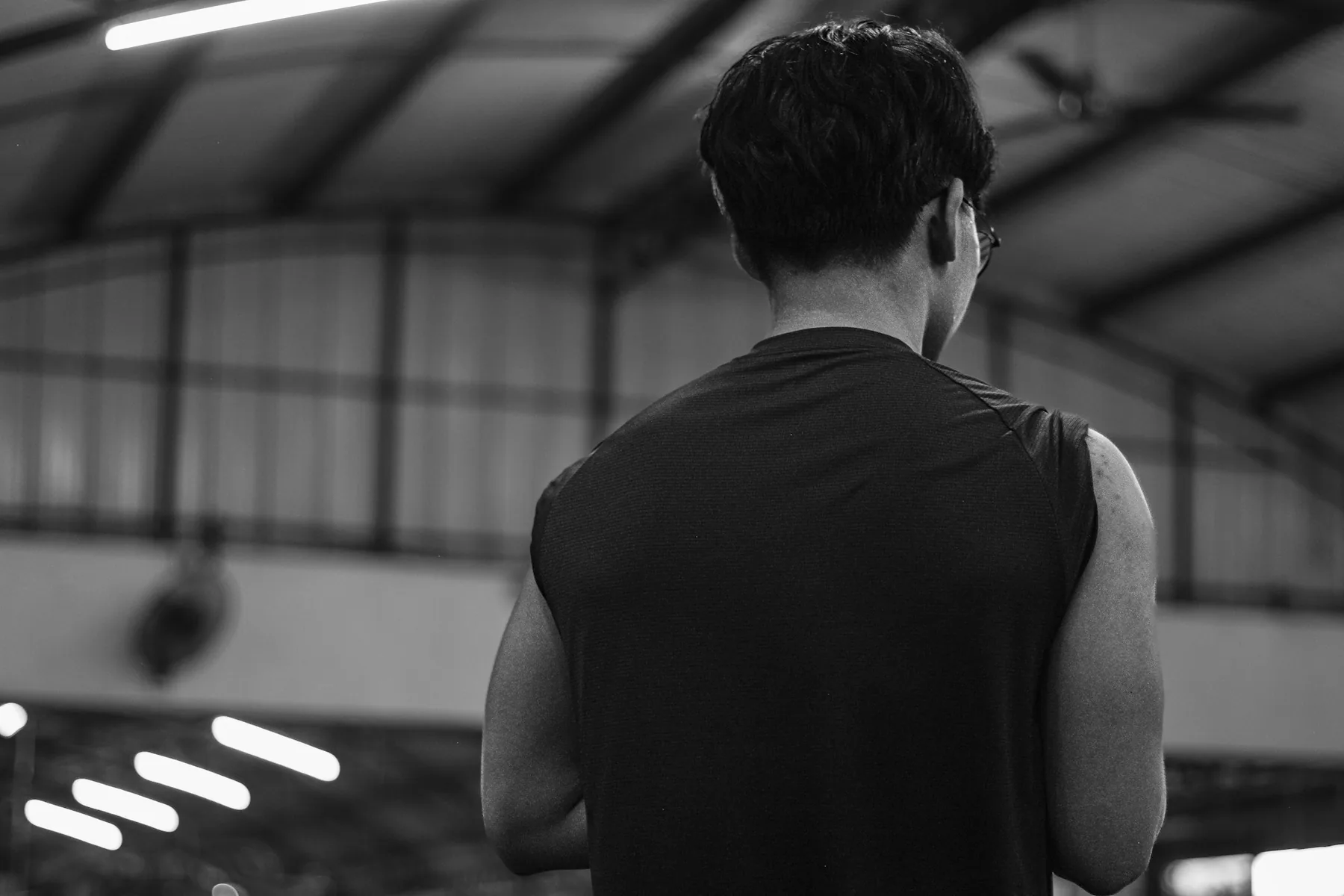
A tank removes the sleeve. Everything that follows — coverage, chafing, how it behaves overhead — comes from how far down the side seam the armhole is cut.
Armhole depth, not strap width
Strap width changes how a tank looks. Armhole depth changes what you can do in it. They are usually confused because a deep armhole tends to come with a narrow strap.
| Depth | Shoulder range | Side coverage | Chafing risk | Suits |
|---|---|---|---|---|
| Shallow (5–6 in) | Limited overhead | Full | Low | Classes, shared gyms, running |
| Medium (7–9 in) | Good | Ribs covered seated | Low | General lifting |
| Deep (10–12 in) | Unrestricted | Ribs visible when arms raise | Moderate at the underarm | Heavy pressing, posing |
| Drop armhole (12 in+) | Unrestricted | Minimal | Higher | Bodybuilding, warm-ups |
The practical test is one movement: press both arms overhead and look in the mirror from the side. If the armhole exposes your ribs standing still, it will expose more under a barbell.
Strap width only decides how it looksThe armhole decides what you can lift in it.
Fabric weight and quick dry tank top fabrics
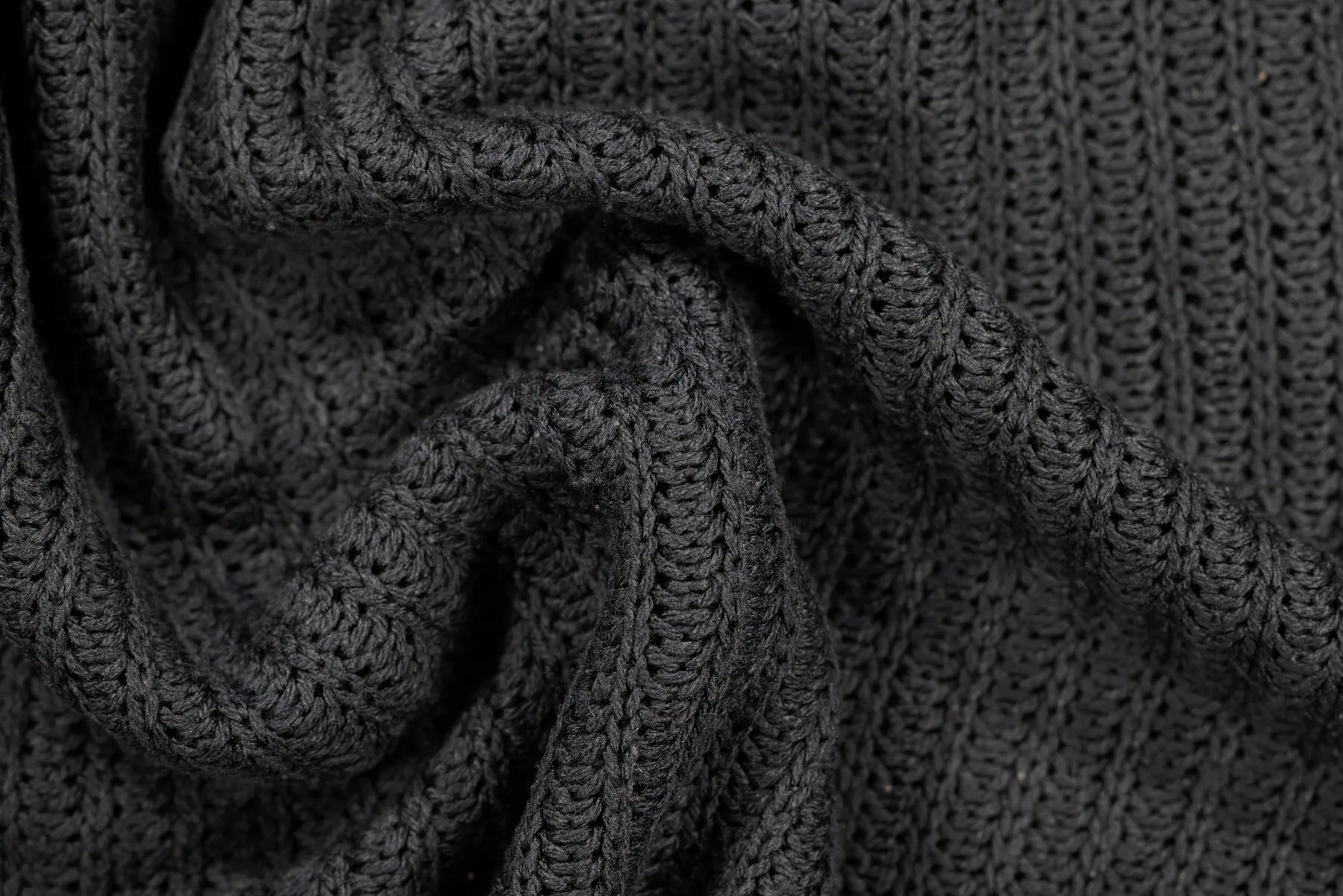
A tank has less fabric holding its own shape, so a light knit drapes and a heavy knit hangs. The same weight behaves differently here than in a t-shirt.
| Weight | Behaviour | Opacity | Best for |
|---|---|---|---|
| 120–140 gsm | Drapes, moves with air | Sheer in pale colours | Hot weather, conditioning |
| 150–180 gsm | Holds a clean line | Good | Most training |
| 190–220 gsm | Structured, hangs straight | Excellent | Heavier lifting, layering |
| Ribbed knit | Clings, recovers well | Good | Fitted looks, warm gyms |
If you want the same numbers applied to sleeved training tops, the workout t-shirt fabric guide covers gsm and fibre behaviour in more detail.
Length, tested with your arms up
A tank that covers the waistband standing still can ride four inches higher the moment you reach overhead. That is the position to check it in.
- Hem should sit two to three inches past the waistband at rest.
- Arms overhead — the hem should still cover the waistband.
- Hinged forward — the front should not fall away from the chest.
- Seated — the side should not gape open at the ribs.
Longer bodies help, but only to a point. Past a certain length a tank starts to catch on a belt and bunch at the hip during hinging.
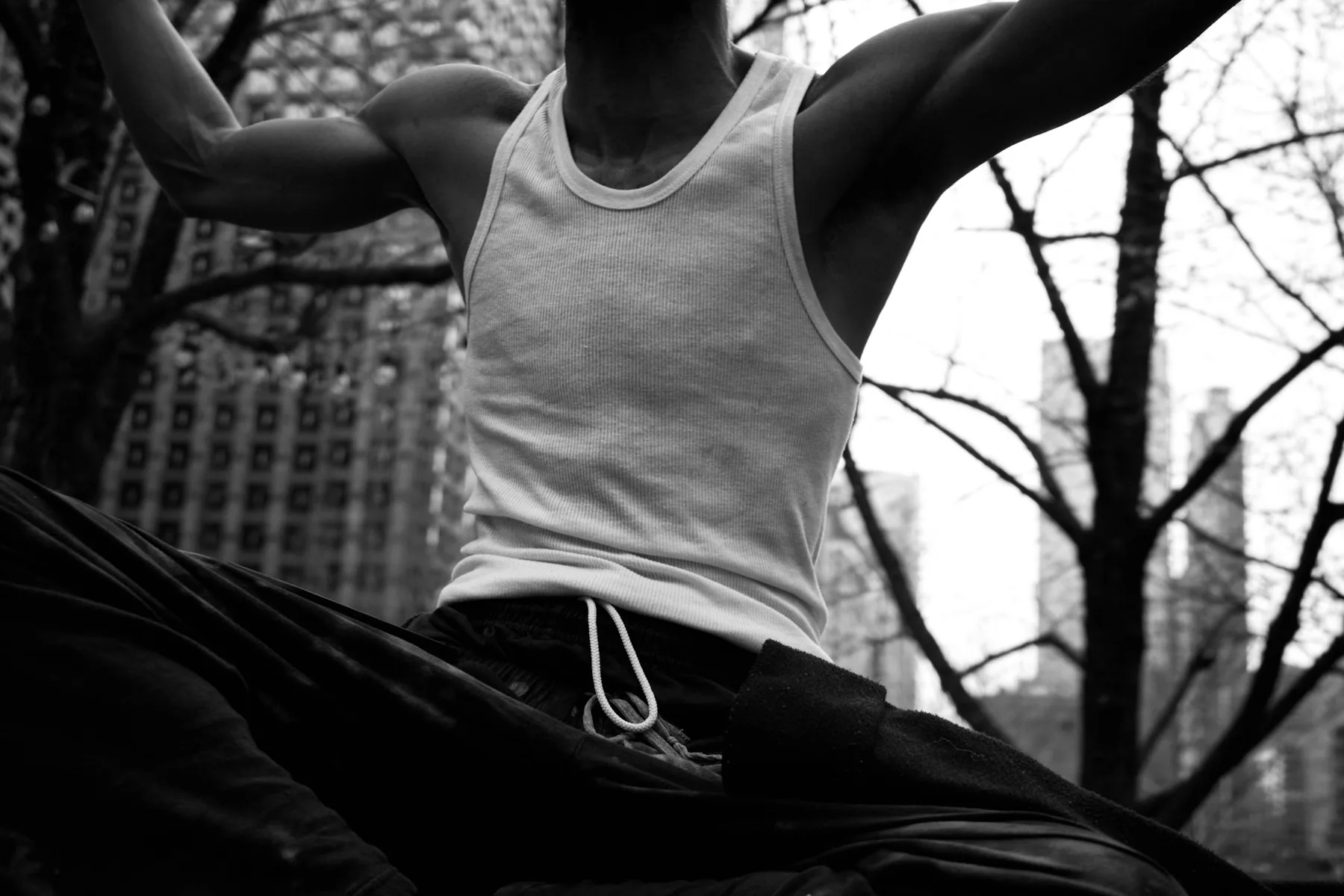
Where a tank sits against a stringer
A stringer is a tank taken to its extreme: narrow strap, very deep armhole, minimal panel. It is a different garment for a different job.
| Standard tank | Muscle tank | Stringer | |
|---|---|---|---|
| Strap | Wide | Medium | Narrow |
| Armhole | Shallow | Medium to deep | Very deep |
| Coverage | Full | Good | Minimal |
| Shared gym floors | Always fine | Usually fine | Depends on the gym |
| Under a hoodie | Comfortable | Comfortable | Straps can dig |
Our stringer and tank comparison goes further into shoulder freedom and Y-back construction if that is the decision you are making.
Neckline and back construction
Two details change how a tank sits that almost no product page mentions: how deep the front scoop is cut, and whether the back is a full panel or a racerback.
| Detail | Effect | Suits | Trade-off |
|---|---|---|---|
| Crew neck | Sits at the collarbone | General training | Warmest option |
| Scoop neck | Opens the chest | Warm gyms, layering over | Can gape when hinged |
| Full back panel | Covers the shoulder blades | Machines, shared benches | Less shoulder-blade freedom |
| Racerback | Straps meet between the blades | Pulling, rowing | Straps can sit under a backpack |
| Y-back | Narrow join high on the back | Pressing, posing | Minimal coverage |
Racerback and Y-back both free the shoulder blade, which is why they are common on pulling days. The cost is that the straps converge into a narrow band, so a loaded backpack or a heavy barbell sits on less fabric.
A full back panel is the safer choice if most of your session happens on back-supported machines, simply because more of the garment sits between you and shared upholstery.
Tanks and training in heat
A tank is the obvious hot-weather choice, but bare skin is not automatically cooler. Evaporation does the cooling, and fabric can help it.
Outdoors, exposed shoulders also mean sun. Training in genuine heat is a safety question rather than a comfort one — the National Weather Service heat safety guidance is a sensible non-commercial reference for when to move a session indoors.
Indoors the calculation is simpler. In still air a light knit sitting against the skin spreads sweat over a wider surface and speeds evaporation, which is why a thin tank often feels cooler than nothing at all.
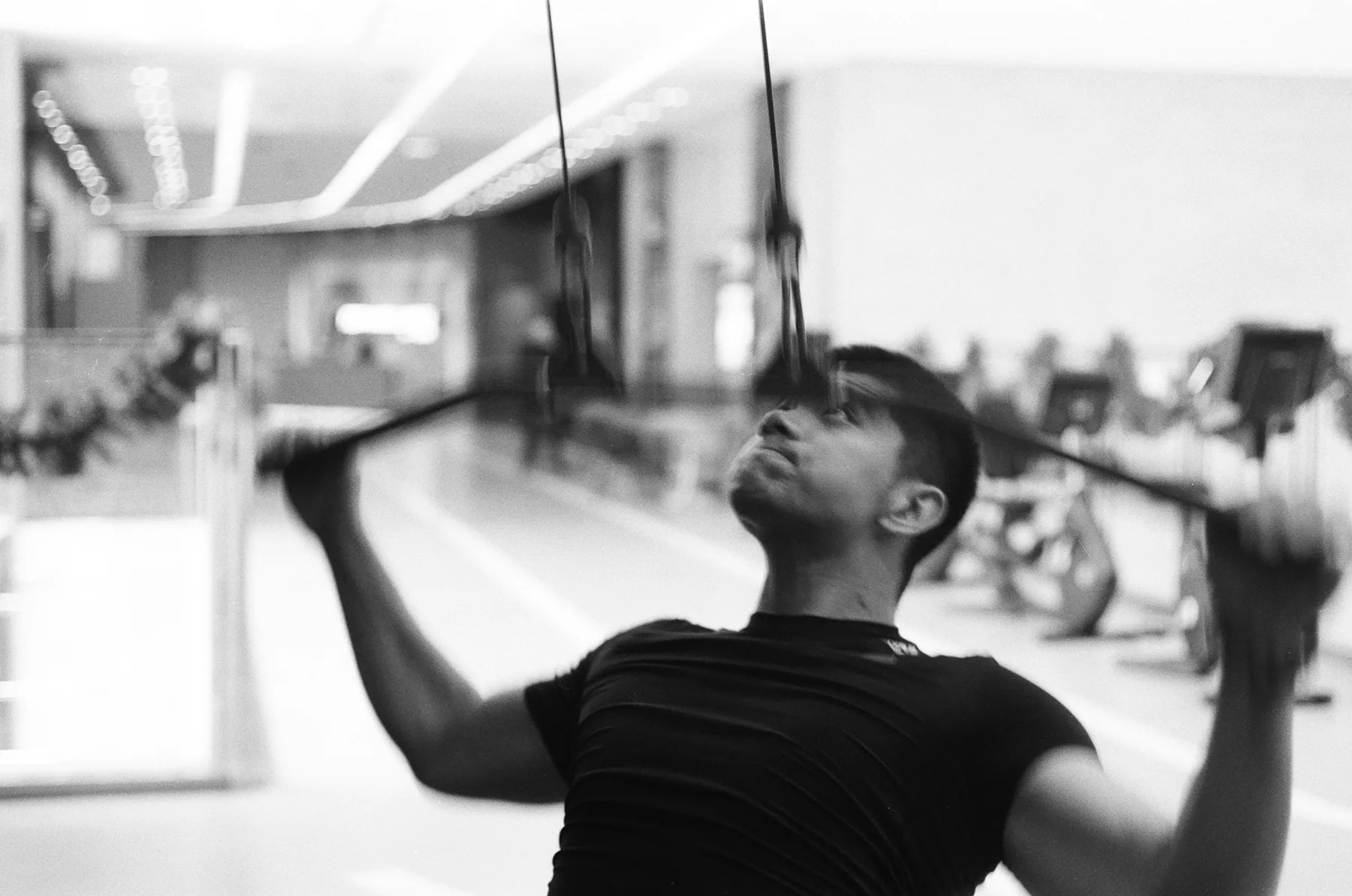
When a tank is the wrong choice
Nobody writes this part, so it is worth saying plainly. There are sessions where a tank costs you more than it gives.
- Back-supported machines — bare skin on shared upholstery.
- Cold gyms — shoulders and elbows get cold first.
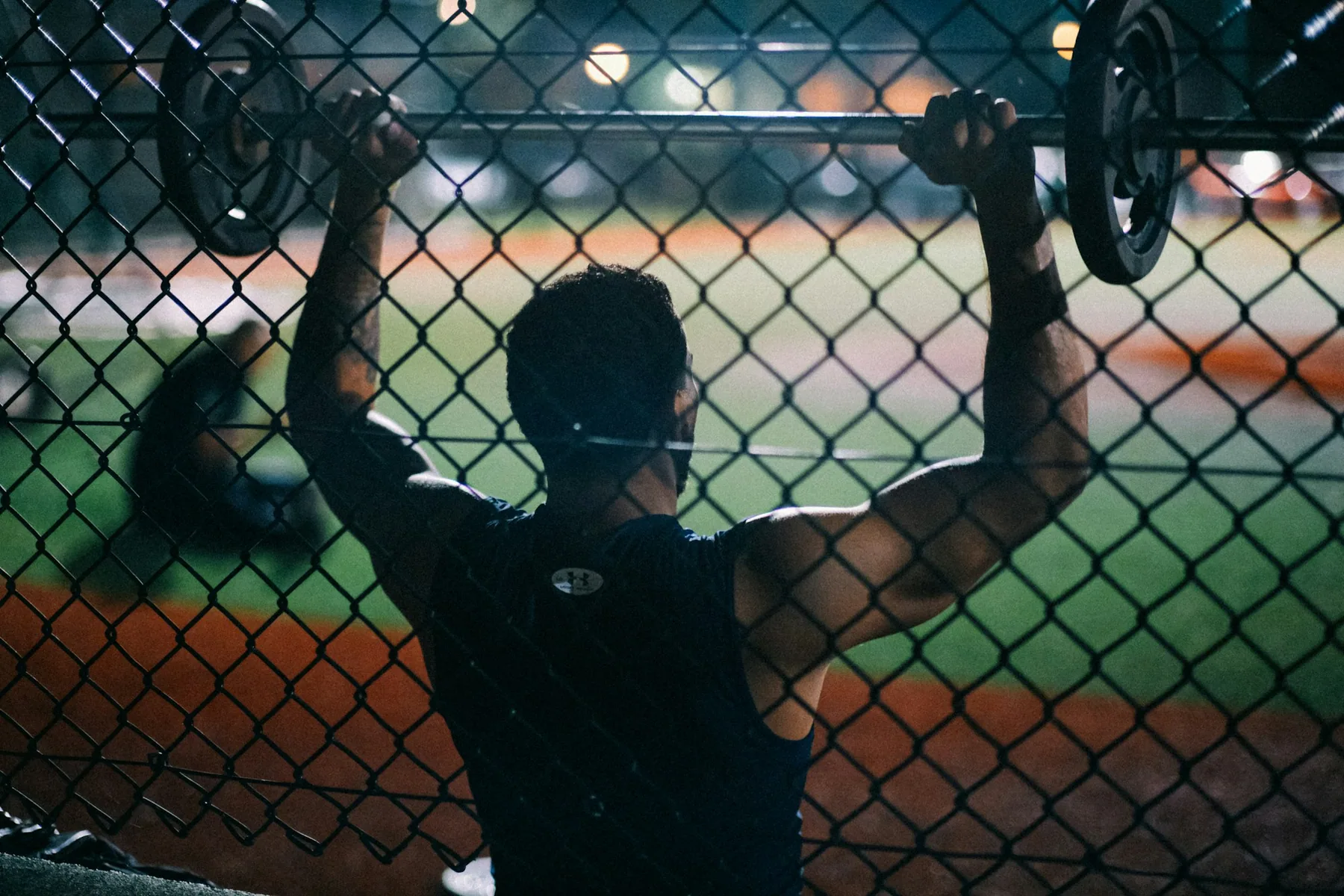
- Heavy barbell work — a bare shoulder under a knurled bar.
- Gyms with a shirt policy — some require covered shoulders.
A tank layered under a sleeveless training hoodie solves the cold-gym version of this without giving up the shoulder freedom.

The short version
- Judge a tank by its armhole depth, not its strap width.
- 150–180 gsm handles most training without going sheer.
- Check the hem with your arms overhead, not standing still.
- Deep armholes buy range and cost coverage — pick which you need.
- Carry a layer for cold gyms and machine work.
The tanks and vests in the washed tank top and summer sports vest styles sit at either end of that range, with the rest in the men’s collection.
Whether a given tank passes at your gym is a separate question — our gym dress code guide covers what the coverage rules actually measure.
Frequently asked questions
How should a workout tank top fit?
The straps should sit just inside your shoulder points, the armhole should end below the shoulder joint without exposing your ribs when you stand, and the hem should sit two to three inches past your waistband. Check it with your arms overhead rather than at rest, because that is where length and armhole depth are actually tested.
What is the difference between a tank top and a stringer?
A stringer has a much narrower strap and a far deeper armhole, so it offers maximum shoulder freedom and minimum coverage. A standard tank keeps a wider strap and a shallower armhole, which covers the ribs and suits shared gym floors. A muscle tank sits between the two.
What fabric weight is best for a gym tank?
Around 150 to 180 gsm suits most training: heavy enough to stay opaque and hold a clean line, light enough to breathe. Below 140 gsm the fabric drapes and moves air well but can go sheer in pale colours. Above 190 gsm it hangs straight and layers well but holds more heat.
Are tank tops cooler than t-shirts?
Not always. Cooling comes from sweat evaporating, and a light open knit can move moisture off the skin more effectively than bare skin does in still air. A tank is usually cooler in moving air and in the gym, but outdoors it also means direct sun on the shoulders.
Can you wear a tank top for weightlifting?
Yes, and deep armholes are popular precisely because nothing binds at the delt when you press. The trade-offs are bare skin against shared upholstery on back-supported machines, a bare shoulder under a knurled barbell, and getting cold quickly in a cool gym.