Fit Guide
Cap Sleeve Workout Tops: What They Are and When to Wear One
A cap sleeve sits between a t-shirt and a tank, and almost every guide that mentions it is talking about dresses. In a gym it solves a specific problem.
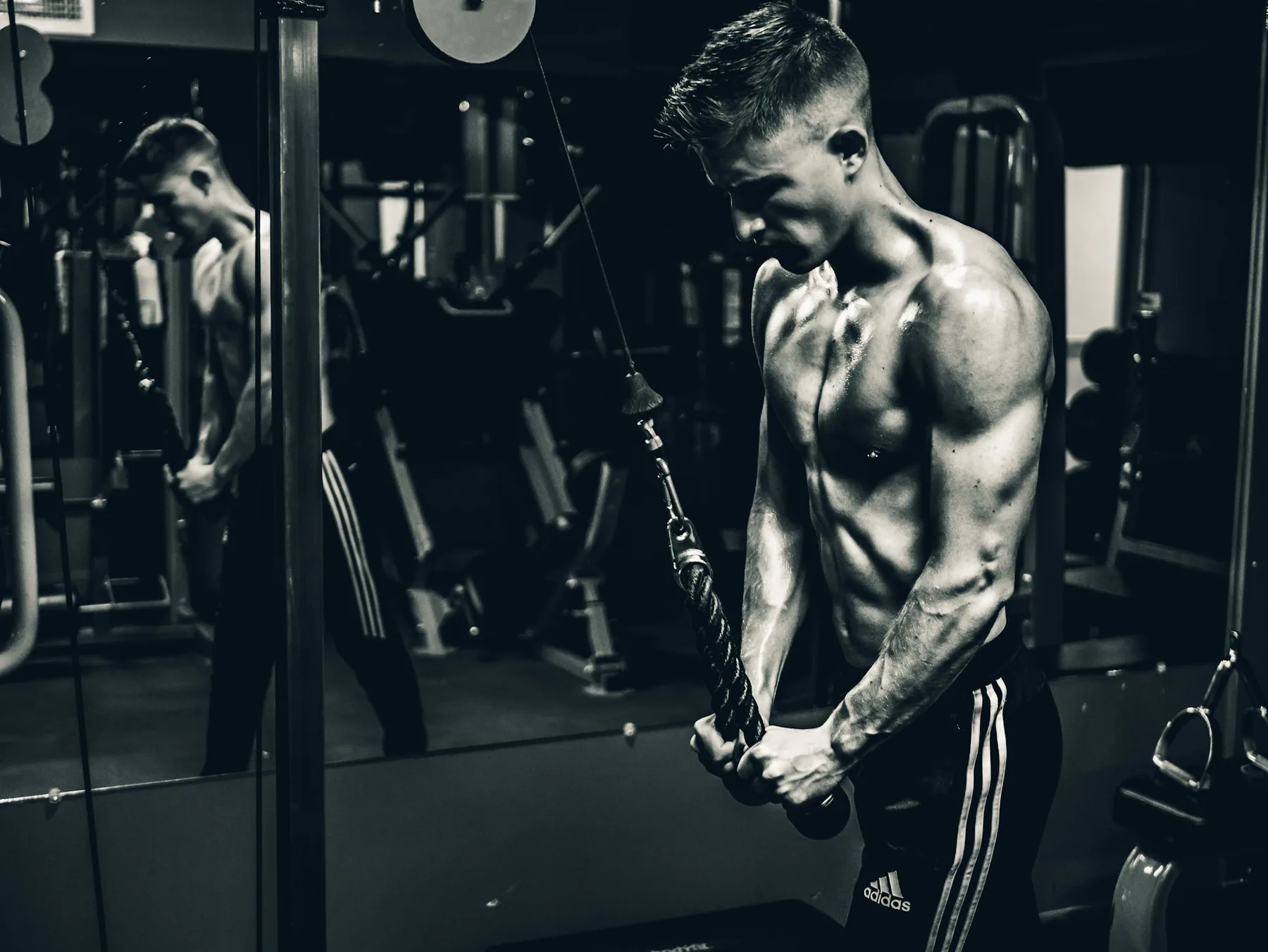
A cap sleeve covers the top of the shoulder and ends before it reaches the underarm. It is not a short sleeve cut down, and it is not a tank with a wider strap.
What makes a sleeve a cap sleeve
The defining feature is that there is no seam running along the inside of the arm. The sleeve caps the shoulder and finishes, which is where the name comes from.
| Cut | Covers | Underarm | Range of motion | Best for |
|---|---|---|---|---|
| Tank / vest | Nothing | Fully open | Unrestricted | Hot gyms, pressing |
| Cap sleeve | Shoulder cap only | Open | Near unrestricted | Mixed sessions, shared floors |
| Short sleeve | Shoulder and bicep | Closed seam | Good, can bind at the deltoid | General training |
| Raglan | Shoulder to collar | Closed, diagonal seam | Best of the sleeved cuts | Overhead work |
That single difference is the whole designA cap sleeve is coverage without a seam under the arm.
The shoulder is why it works
A conventional sleeve closes a seam in the armpit. Under load that seam is the thing that catches, particularly when the arm travels overhead or across the body.
The shoulder also has the widest range of motion of any joint in the body, and is among the most easily aggravated by repeated overhead work — MedlinePlus is a sensible non-commercial reference if yours already gives you trouble. Clothing will not cause an injury, but a garment that fights the movement is worth eliminating.

When a cap sleeve beats a tank
A tank moves more air. A cap sleeve covers the one part of the shoulder that actually touches things.
- Shared benches and machines — fabric between you and the upholstery rather than bare skin.
- Barbell work — a knurled bar sits on cloth, not on the shoulder itself.
- Gyms with a coverage policy — some require covered shoulders, which a cap sleeve satisfies and a stringer does not.
- Training outdoors — the shoulder is the first thing to burn.
For the full comparison of sleeveless cuts, our stringer and tank top guide covers strap width and armhole depth, and the workout tank guide goes further into fabric weight.

Sizing a cap sleeve
The usual failure is a sleeve that has crept far enough down the arm to become a badly cut short sleeve. Judge it by the sleeve hem, not by the body of the shirt.
| Feature | Correct | Wrong |
|---|---|---|
| Sleeve hem | On or just past the shoulder point | Reaching the mid-bicep |
| Underarm | Open, no seam against the skin | A seam you can feel |
| Shoulder seam | On the shoulder point | Dropped down the arm |
| Armhole | Close but not gripping | Cutting into the deltoid |
Raise both arms overhead in the changing room. If the sleeve rides up and bunches at the shoulder, the armhole is cut too small — sizing up the whole shirt rarely fixes that.

Fabric matters more when there is less of it
Less fabric means less surface area moving moisture, so a cap sleeve top leans harder on the fibre doing its job than a full sleeve does.
Mid-weight performance knits around 160 to 180 gsm hold their shape at the shoulder without adding heat. Our workout t-shirt fabric guide sets out what each fibre does with sweat and what those weights feel like in practice.

How the sleeve is attached changes everything
Two tops can both be called cap sleeve and behave completely differently, depending on how the sleeve is joined to the body.
| Method | How it looks | Movement | Durability |
|---|---|---|---|
| Set-in | Clean seam on the shoulder point | Good | High |
| Extended shoulder | Body fabric continues over the arm | Best — no seam | High, nothing to fail |
| Folded / cuffed | Sleeve turned back on itself | Good | Very high |
| Raw edge | Cut and left unfinished | Best | Lowest — curls with washing |
An extended shoulder is the version worth looking for. Because the body fabric simply continues over the top of the arm, there is no seam anywhere near the deltoid and nothing to rub during pressing.
A raw edge feels excellent new and is the first thing to look tired. If a top you like has one, it is worth knowing that air drying keeps it flat far longer than a dryer will.
Wearing one outside the gym
A cap sleeve reads as a deliberate cut rather than a cut-off, which is why it works away from the gym in a way a stringer does not.
Keep the shoulder seam accurate and the body length ordinary. A cap sleeve with a dropped shoulder and a long hem stops looking athletic and starts looking like a shirt that shrank.
Colour does more work here than cut. A cap sleeve in black or charcoal passes as an ordinary tee to anyone not looking closely, while a bright one announces itself as gym kit the moment you walk into a bar.
Care
Nothing unusual, with one exception: the sleeve hem on many cap sleeve tops is a raw or lightly finished edge, so it is the first place to show wear.
- Wash cool and inside out.
- Air dry — heat is what curls a raw sleeve hem.
- Skip fabric softener on anything synthetic.
- Fold rather than hang; a hanger pulls at the shoulder seam.
- Rotate pieces so no single top takes every session.
The full routine, including what to do about odour in synthetics, is in the gym clothes care guide.
Frequently asked questions
What is a cap sleeve workout top?
A top with a very short sleeve that covers the cap of the shoulder and ends before the underarm, so there is no seam running along the inside of the arm. It sits between a tank, which has no sleeve at all, and a short sleeve, which wraps the bicep and closes the armpit.
Is a cap sleeve the same as a short sleeve?
No. A short sleeve wraps the upper arm and has a closed underarm seam. A cap sleeve covers only the top of the shoulder and leaves the underarm open, which is why it moves more like a tank than a t-shirt.
Are cap sleeves only for women?
The term is used far more often in womenswear, which is why most search results are about dresses. The cut itself is not gendered, and in training it solves a practical problem: shoulder coverage for shared equipment and barbells without a seam binding at the deltoid.
How should a cap sleeve top fit?
Close at the armhole without gripping the deltoid, with the sleeve hem sitting on or just past the shoulder point. If raising your arms makes the sleeve ride up and bunch, the armhole is cut too small, and sizing up the whole shirt usually will not fix it.
Can you lift in a cap sleeve top?
Yes, and it is one of the better cuts for it. The open underarm means nothing binds when you press overhead, while the shoulder stays covered where a barbell or a shared bench would otherwise sit against bare skin.