
Kit Guide
Training at Home: What Actually Changes
Most of what a gym imposes on your clothing disappears at home. Three things replace it, and only one of them is obvious.
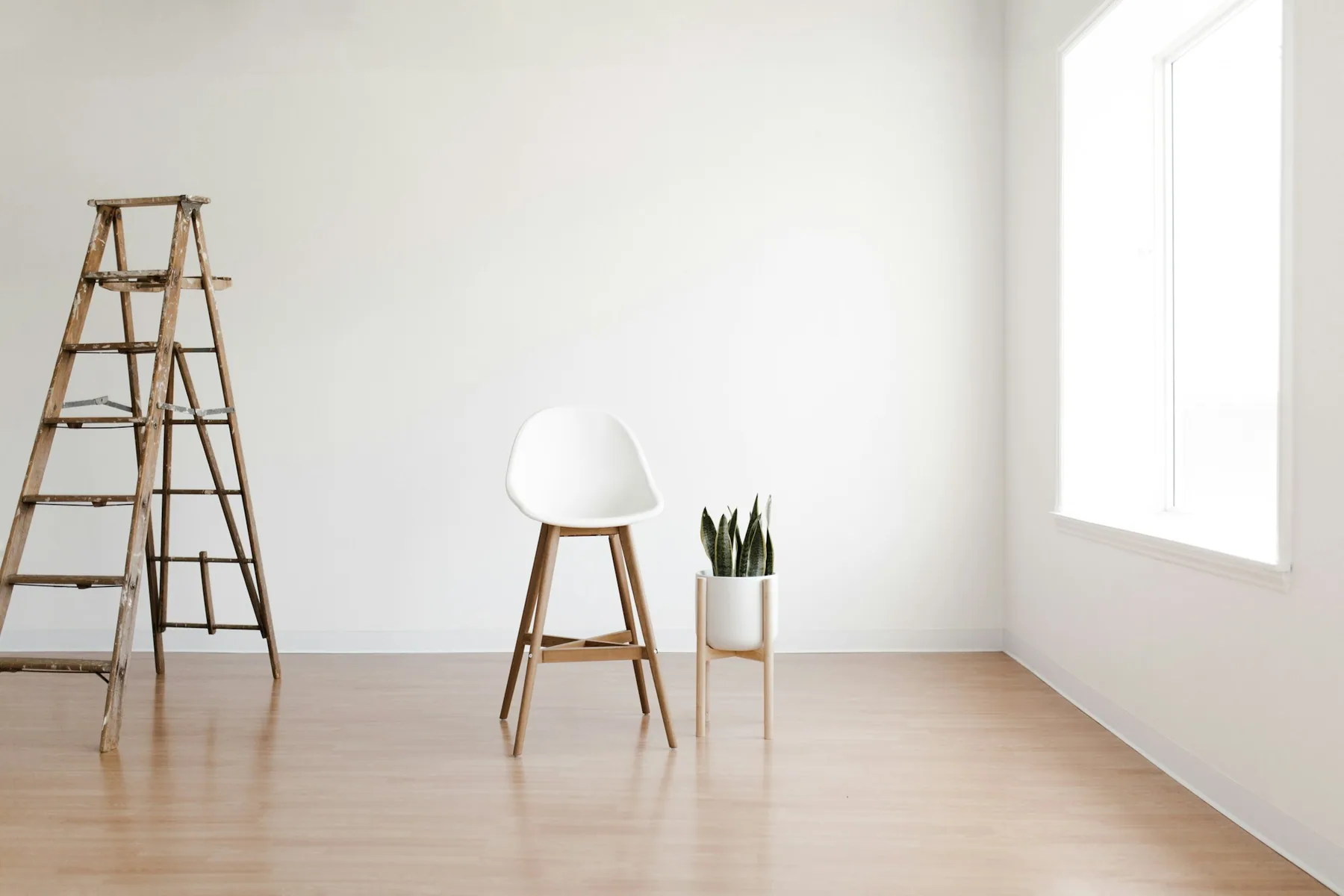
The obvious change is that nobody is looking. The two that actually matter are the floor under you and the fact that nothing in a house moves air.
The floor decides the footwear
A gym floor is rubber over concrete: grippy, flat and forgiving. A house is none of those, and the difference changes what belongs on your feet.
| Surface | Wear | Why |
|---|---|---|
| Carpet | Bare feet or grip socks | Trainers catch and roll the ankle |
| Hard floor, bodyweight | Bare feet | Best feedback, best grip |
| Hard floor, loaded | Flat trainers | Stability under load |
| Mat | Bare feet or grip socks | Trainers wear the mat out |
| Anything slippery | Grip socks | Ordinary socks are the hazard |
Ordinary training socks on a hard floor are the single most common home-training hazard, and the fix costs almost nothing.
Bare feet or grip socks; there is no third optionOrdinary socks on a hard floor are the hazard, not the solution.
No ventilation is the underrated problem
A gym moves a great deal of air. A living room moves none, so heat and humidity build in exactly the way they do in a heated studio.
- Open a window before you start, not halfway through.
- A fan does more than any garment for the same money.
- Lighter and more open than you would wear to a gym.
- Expect to sweat more, not less, for the same session.
- Carpet makes it worse, because it holds heat.
How fabric behaves when nothing evaporates is covered in our hot-weather guide, and it applies indoors more than people expect.
No changing room means longer in the same kit
At a gym you change, train and change back inside a fixed window. At home the same garment is often worn for hours either side of a twenty-minute session.
| Effect | Consequence |
|---|---|
| Longer wear time | More sweat into the same fibre |
| Sitting in damp kit | The main cause of skin irritation |
| Kit doubles as loungewear | Wears out faster |
| Fewer clear laundry cues | Kit goes back on unwashed |
| More total washes | Shorter garment life overall |
The fix is unglamorous: change immediately afterwards, exactly as you would at a gym. What sitting in damp kit does to skin is in our gym skin guide.
Laundry gets harder, not easier
This surprises people. A gym bag creates an obvious signal that something needs washing; a bedroom floor does not.
- Keep a separate basket for training kit only.
- Air it before it goes in, never damp into a pile.
- Wash cool and inside out after every session.
- Do not tumble dry. Heat is what kills elastane.
- Rotate pieces rather than wearing a favourite daily.
The full routine, and why polyester holds odour in the first place, is in our gym clothes care guide.
What you can wear at home that you could not at a gym
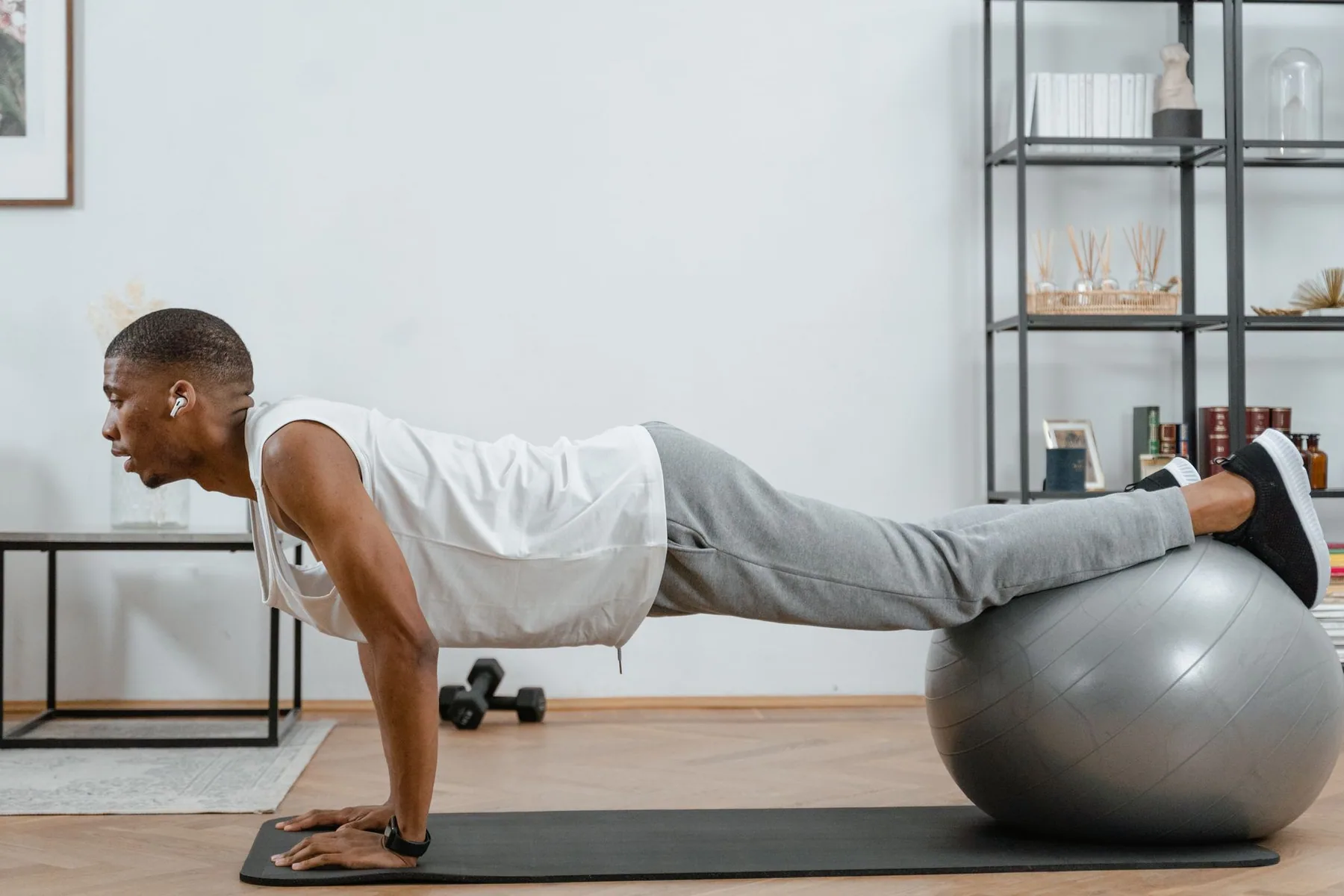
Some of this is genuinely useful rather than merely permitted, because gym dress codes rule out things that work well.
| Item | Verdict | Note |
|---|---|---|
| Bare feet | Genuinely better | For bodyweight and mobility work |
| Old, faded kit | Fine | Performance is unaffected by looks |
| Very short shorts | Fine | No dress code to satisfy |
| No top | Fine, but | Sweat goes straight onto the floor and furniture |
| Loungewear | Poor choice | Cotton, and it will not dry |
Gym dress codes and what they usually enforce are covered in our gym dress code guide, for the sessions where you do have to satisfy one.
What still matters
Removing the audience does not remove the mechanics. The garment still has to move with you and still has to handle sweat.
- Not cotton, for exactly the same reasons as anywhere else.
- Seams still chafe; a home session is not shorter.
- Support is unchanged — the session decides it, not the venue.
- Fit still decides comfort in every position on the floor.
- Cold rooms need a layer, especially at the start.
Support levels by activity are in our sports bra guide, and friction in our chafing guide.
Small spaces rule some things out
A room with a low ceiling and furniture nearby is a genuine constraint, and it affects clothing in one specific way.
- Nothing loose overhead. A baggy top catches on everything.
- Longline hems stop a top riding up in floor work.
- Avoid long drawcords near equipment.
- Fitted beats loose in a confined space, generally.
How much kit you actually need
Less than for gym training, and this is the one genuine saving. There is no commute, no bag and no window in which everything must be clean at once.
| Item | Gym training | Home training |
|---|---|---|
| Tops | 5–6 | 3 |
| Bottoms | 3–4 | 2 |
| Socks | 5–6 pairs | 2–3, or none |
| Layers | 2 | 1 |
| Shoes | 1–2 pairs | 1 pair, sometimes none |
How the gym number is arrived at, and why laundry frequency rather than session count sets it, is in our guide to how many gym clothes you need.
Consistency is the actual variable
Worth stating plainly: none of this decides whether home training works. Turning up does, and clothing only affects that at the margin.
General guidance on physical activity, including how much and how often, is published by the American Heart Association. What you wear is not on that list, and the honest position is that it should not be.
What kit does still buy you
Two things, both real and both modest. It removes friction, literally and figuratively, and it marks a boundary between training and not training.
The second is more useful than it sounds when the gym and the sofa are the same room. Changing into something specific is a small ritual that costs nothing and reliably helps people start.
The short version
- Bare feet or grip socks. Never ordinary socks on a hard floor.
- Open a window first. A house moves no air.
- Change immediately afterwards, as you would at a gym.
- Keep a separate basket so kit does not go back on unwashed.
- Own fewer pieces, not more. Three tops is plenty.
Frequently asked questions
What should you wear to work out at home?
Something light and not cotton, because a house moves no air and you will sweat more than for the same session at a gym. On your feet, bare feet or grip socks on carpet and mats, flat trainers only for loaded work on a hard floor. Ordinary training socks on a hard floor are a genuine hazard.
Should you wear shoes when exercising at home?
For bodyweight and mobility work, no — bare feet give better grip and feedback, and trainers catch on carpet in a way that can roll an ankle. For loaded work on a hard floor, flat trainers are worth it for stability. Never ordinary socks on a smooth floor.
How many sets of gym clothes do you need for training at home?
About three tops and two pairs of bottoms, which is roughly half what gym training needs. There is no commute, no bag and no window in which everything has to be clean at once, so laundry can happen on your own schedule rather than around a fixed gym day.
Why do you sweat more exercising at home?
Because nothing in a house moves air. A gym runs ventilation that carries heat and humidity away, so the same session in a living room builds both in the same way a heated studio does. Opening a window before you start, and a fan, do more than any garment can.
Does it matter what you wear if nobody sees you?
For performance, barely — but the mechanics do not change. Cotton still holds sweat, seams still chafe, and support is decided by the session rather than the venue. The one genuine non-physical benefit is that changing into something specific marks a boundary between training and not training, which matters when both happen in the same room.