Kit Guide
Women’s Training Kit: Support, Fit and What Actually Matters
Most women’s kit advice is written to sell one brand’s sizing system. This is the version that works whoever made the garment.
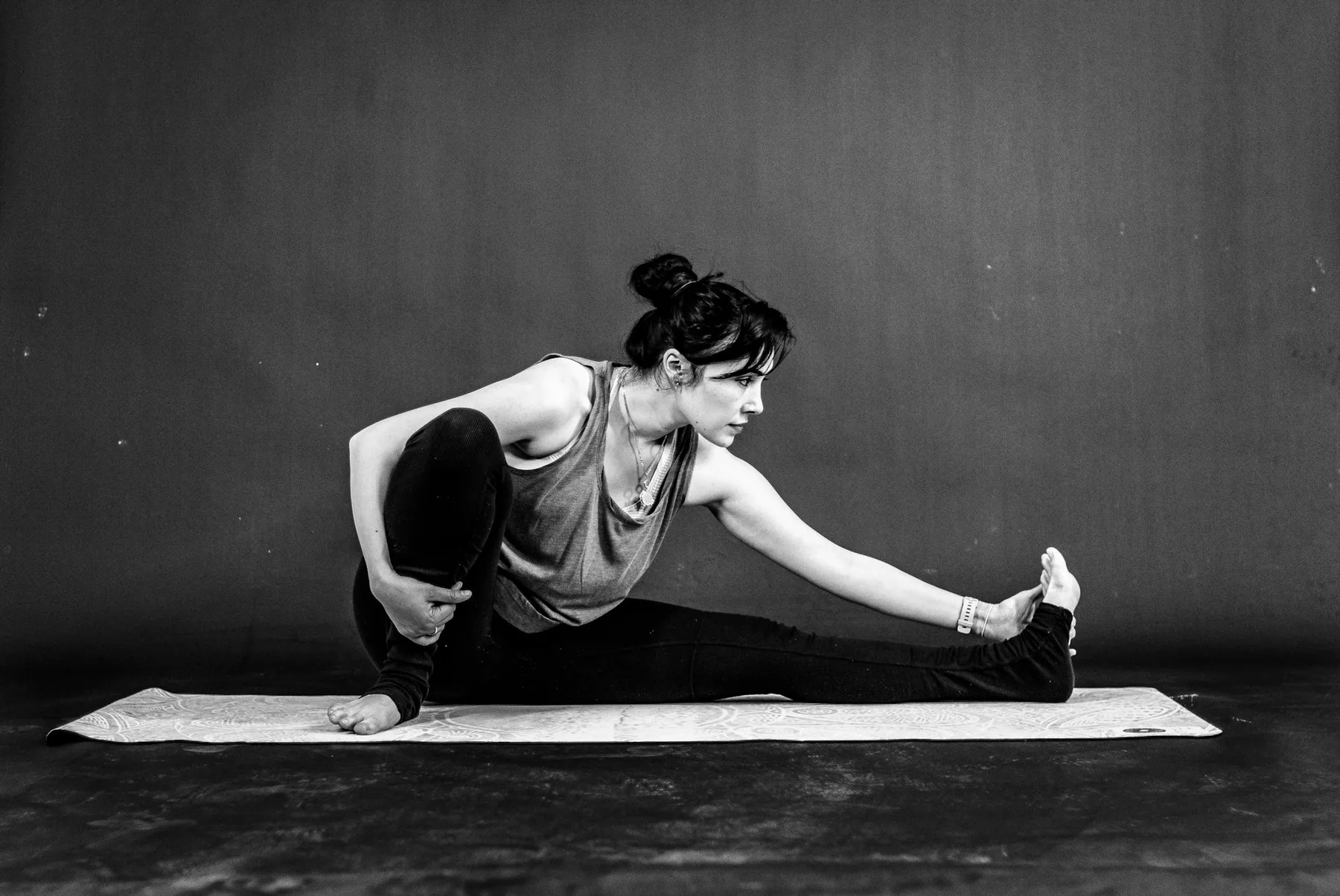
Three decisions cover almost everything: how much support you need on top, whether your bottoms stay opaque and in place, and what you put on when the gym is cold.
Support level, and why cup size shifts it
Support level is usually presented as a function of the activity alone. It is really a function of the activity and how much movement there is to control.
| Activity | A–B cup | C–D cup | DD and above |
|---|---|---|---|
| Yoga, mobility, walking | Low | Low to medium | Medium |
| Lifting, cycling | Medium | Medium | Medium to high |
| Running, HIIT, jumping | Medium to high | High | High, encapsulated |
| Court sport, multi-direction | High | High | High, encapsulated |
Fuller busts generate more motion at the same intensity, so the rule of thumb is to go one level higher than the activity alone suggests. Research on breast support during exercise is collected in the NIH’s open-access archive if you want the underlying studies rather than brand copy.
Above a D cup that distinction stops being cosmeticCompression flattens. Encapsulation supports.
Compression, encapsulation, or both
These are the two ways a sports bra can work, and they suit different builds and different sessions. Band fit, sizing and replacement are covered in more depth in our dedicated sports bra guide.
| Type | How it works | Best for | Weak point |
|---|---|---|---|
| Compression | Presses the bust against the chest | A to C, low and medium impact | Less effective as cup size rises |
| Encapsulation | Separate cups support each side | D and above, high impact | More seams, more to chafe |
| Combination | Both at once | High impact at any size | Warmest and slowest to dry |
The fit test that beats the label
- The band does the work — two fingers under it, no more.
- Straps should not dig; if they do, the band is too loose.
- Jump on the spot for ten seconds before you decide.
- Raise your arms — the band should not ride up your ribs.

Leggings: opacity, rise and pockets
The single most common complaint about leggings has nothing to do with fit. It is fabric going sheer at the bottom of a squat.
| Feature | Look for | Avoid |
|---|---|---|
| Opacity | Squat-tested, mid to heavy knit | Light knits in pale colours |
| Rise | High, sitting at or above the navel | Low rise for lifting |
| Waistband | Wide, no drawcord digging in | Thin elastic that rolls |
| Seam | Flat or bonded at the inner thigh | Bulky overlock seams |
| Pockets | Side pockets that sit flat | Back pockets under a bar |
The squat test takes ten seconds and no amount of product copy replaces it. Our gym shorts length guide covers the same opacity issue in shorts, and the compression guide explains what graduated pressure does and does not do.
Shorts, and when they beat leggings
Leggings dominate the category, but they are not always the right answer. The deciding factors are heat and whether your thighs touch when you move.
| Option | Coverage | Heat | Chafing | Best for |
|---|---|---|---|---|
| Full-length leggings | Complete | Warmest | None | Cold gyms, cardio |
| Cropped leggings | To mid-calf | Moderate | None | Year-round default |
| Cycling / long shorts | Mid-thigh | Cooler | None | Hot weather, lifting |
| Loose shorts | Varies | Coolest | Possible | Hot weather, running |
| Two-piece shorts | Full | Moderate | None | Running in heat |
A fitted short under a loose one solves the same friction problem the two-piece solves for men, and for the same reason — fabric on skin beats skin on skin.
Tops and tanks
The same rules apply as anywhere else in training kit: armhole depth decides range of motion, fabric weight decides whether it stays opaque.
- Racerback frees the shoulder blades, which suits pulling days.
- Y-back goes further and covers less; check it works over your bra.
- Cropped is a styling choice — check the hem when you reach up.
- Longline covers the waistband through hinging and overhead work.
Cut and fabric weight are covered in more depth in the workout tank top guide, which applies regardless of who the garment was cut for.

Layering for a cold gym
Warm-ups and the walk in are where a layer earns its place. It comes off before the working sets and goes back on the moment you stop.
A sleeveless hoodie is a useful middle option: it keeps the core and the head warm without putting a sleeve seam over the shoulder during pressing. Our sleeveless hoodie guide covers sizing one over a base layer.
How much of it you need
Bras are the item people under-buy. They take the heaviest sweat load and the longest to dry, so one per session between washes is the realistic minimum.
| Item | How many | Note |
|---|---|---|
| Sports bras | Sessions + 1 | Slowest item to dry |
| Leggings or shorts | 3–4 | Can often go two sessions |
| Tops and tanks | Sessions + 1 | Highest sweat load after the bra |
| Layer | 1–2 | Warm-up and travel |
The reasoning behind those numbers, including how drying time changes them, is in our guide to how many gym clothes you need.
Care, because elastane is the whole garment
A sports bra is mostly elastane doing structural work. Heat destroys it, and a bra that has lost its band tension has lost its support entirely.
- Wash cool, inside out, and fasten any hooks first.
- Never tumble dry a bra — this is the fastest way to ruin one.
- Dry flat rather than hanging by the straps.
- Skip fabric softener; it coats the fibres and kills wicking.
- Replace when the band no longer holds with the straps loosened.
The full routine, including why synthetics keep smelling after a normal wash, is in the gym clothes care guide.
If kit is irritating your skin rather than just chafing, our guide to gym acne and skin irritation covers the difference.
Frequently asked questions
What support level sports bra do I need?
Match it to the movement and then adjust for cup size. Low support suits yoga and walking, medium suits lifting and cycling, and high suits running, HIIT and jumping. Fuller busts generate more motion at the same intensity, so above a D cup it is worth going one level higher than the activity alone suggests.
What is the difference between compression and encapsulation?
A compression bra presses the bust against the chest wall as a single unit. An encapsulation bra supports each side separately in its own cup. Compression works well up to about a C cup; above that, encapsulation controls multi-directional movement far more effectively.
How do I stop leggings going see-through?
Choose a mid to heavy knit and test them in a squat before you commit, ideally in front of a mirror. Pale colours and light fabrics are the usual culprits, and fabric thins over the seat and outer thigh where it stretches most. A higher rise also helps, because it reduces how far the fabric has to stretch.
How should a sports bra fit?
The band should be snug enough that you can fit two fingers underneath and no more, because the band provides most of the support. Straps should not dig in; if they do, the band is too loose. Jump on the spot and raise your arms before deciding: the band should not ride up your ribs.
How often should you replace a sports bra?
When the band no longer holds you with the straps loosened, the elastane has gone and the bra is finished regardless of how it looks. Washing cool, drying flat and never tumble drying will extend that considerably, since heat is what degrades the stretch fibres.