Kit Guide
Training in the Dark: How to Actually Be Seen
Almost all training kit is dark, because dark kit looks better and hides sweat. That is a reasonable choice eleven hours a day and a bad one for the other thirteen.
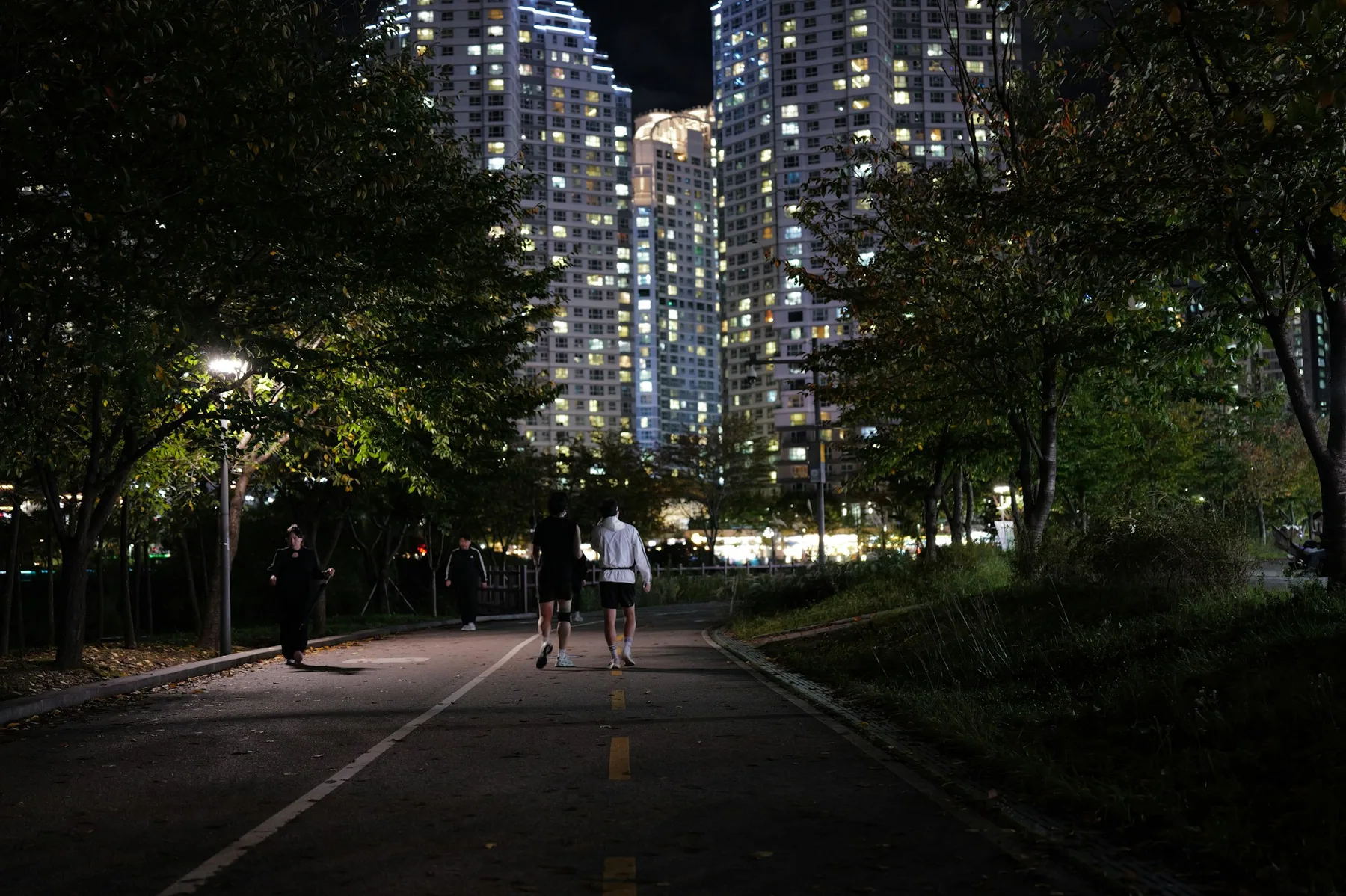
Two different problems get treated as one. Being able to see the ground is solved by a light. Being seen by someone driving is solved by something else entirely.
Fluorescent, reflective and lit are not the same
They are sold together, described interchangeably, and work in completely different conditions.
| Type | Works | Needs | Fails |
|---|---|---|---|
| Fluorescent | Dusk, dawn, overcast day | Daylight | Complete darkness |
| Reflective | Night | A light aimed at it | Side-on, no headlights |
| Retroreflective tape | Night | Headlights | Same |
| Active light | Any time | Batteries | Nothing much |
| White clothing | Marginal help | Some ambient light | Unlit roads |
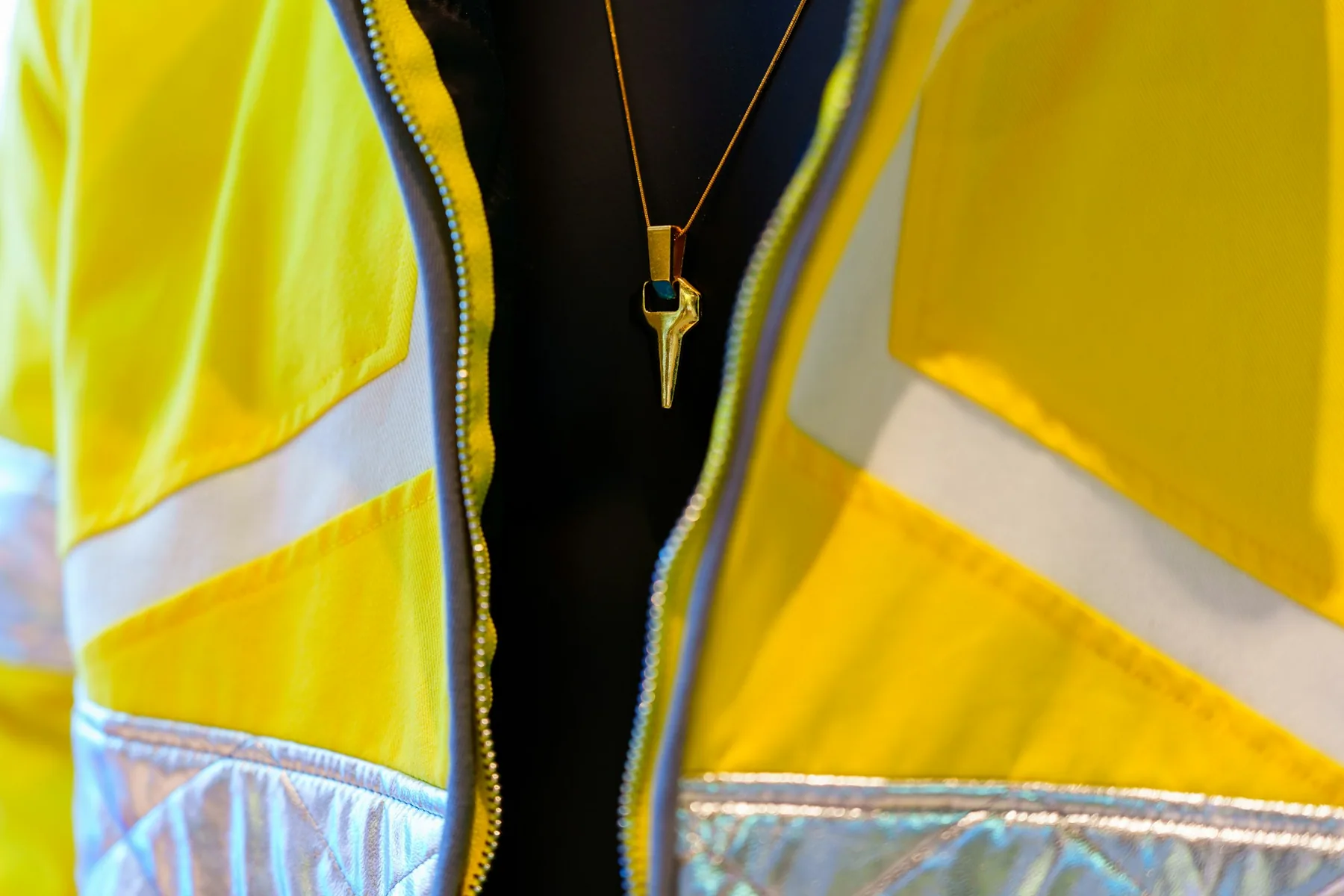
A fluorescent yellow vest is close to useless at midnight on an unlit lane, which surprises people who bought one specifically for that.
They are three answers to three different questionsFluorescent for dusk. Reflective for headlights. A light for everything else.
Reflective material only works when it moves
A static reflective patch reads as a road sign. A moving one reads as a person, and that difference is what makes a driver slow down rather than continue.
- Ankles and lower legs are the highest-value position by far.
- Wrists move in a distinctive arc and are second.
- Upper back and shoulders matter for being seen from behind.
- Chest and front matter at junctions where traffic approaches head-on.
- The middle of your back alone is the most common and least useful.
This is why reflective detailing on shoes and socks outperforms a large panel on a jacket, despite covering a fraction of the area.

How much is enough
| Setup | Verdict |
|---|---|
| Dark kit, nothing else | Effectively invisible on an unlit road |
| Dark kit plus one reflective band | Better, still marginal |
| Reflective at both ankles | A large step up for the cost |
| Ankles plus wrists plus a light | Good for most road running |
| Full reflective vest plus lights | Appropriate for unlit rural roads |
The jump from nothing to ankle bands is much larger than the jump from ankle bands to a full vest, which is worth knowing before spending accordingly.
What a driver actually sees
Headlights on dipped beam illuminate meaningfully less road than most people assume, and a driver needs time to react as well as to see.
Research on pedestrian and cyclist conspicuity is published by the Insurance Institute for Highway Safety, which is a non-commercial source rather than a brand making a case for its own jacket.
Lights, and where to put them
| Light | Purpose | Position |
|---|---|---|
| Head torch | Seeing the ground | Head, angled down |
| Chest lamp | Seeing without head-bob | Sternum |
| Clip-on red | Being seen from behind | Back of the waistband |
| Wrist or arm band | Movement and signalling | Either wrist |
| Ankle light | Movement, seen from the side | Either ankle |
A red light behind and a white light in front is the convention drivers already read correctly, because it matches every other road user.
Adding visibility to kit you already own
You do not need a new wardrobe. Most of the benefit comes from three cheap items worn over whatever you already train in.
- Two ankle bands. The highest return of anything here.
- One clip-on red light at the back of the waistband.
- A reflective vest or sash for unlit roads.
- Wrist bands if you run on roads with junctions.
- A head torch only if you actually cannot see the ground.
Dusk and dawn are the awkward hours
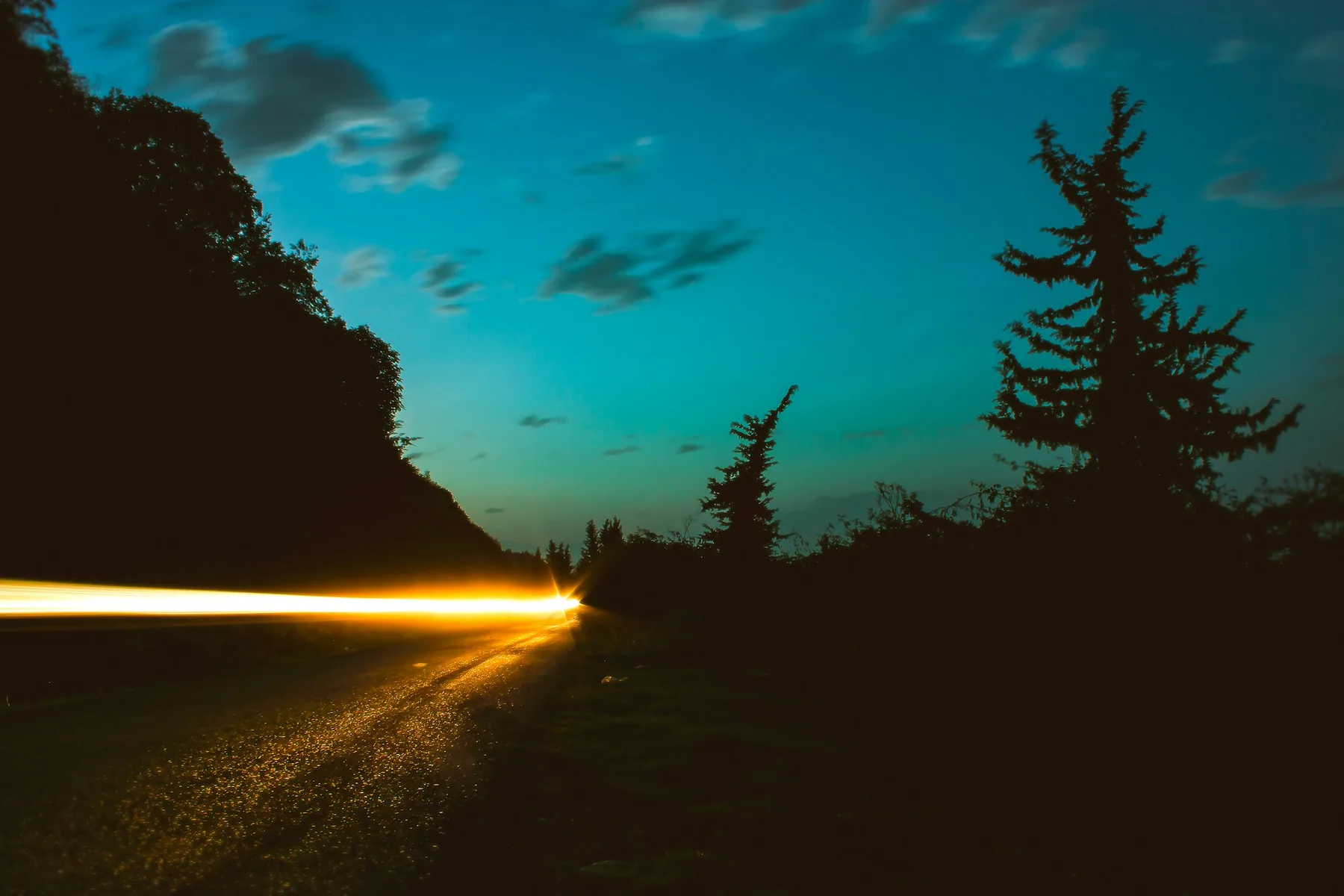
The worst conditions are not full darkness, which everyone respects. They are the half-light at either end, when drivers have not switched on headlights and reflective material therefore has nothing to reflect.
- Fluorescent is the right answer here, and only here.
- Wear a light anyway — it costs nothing and covers the transition.
- Assume you are not seen at junctions regardless of what you wear.
- Low sun is its own hazard and no garment solves it.
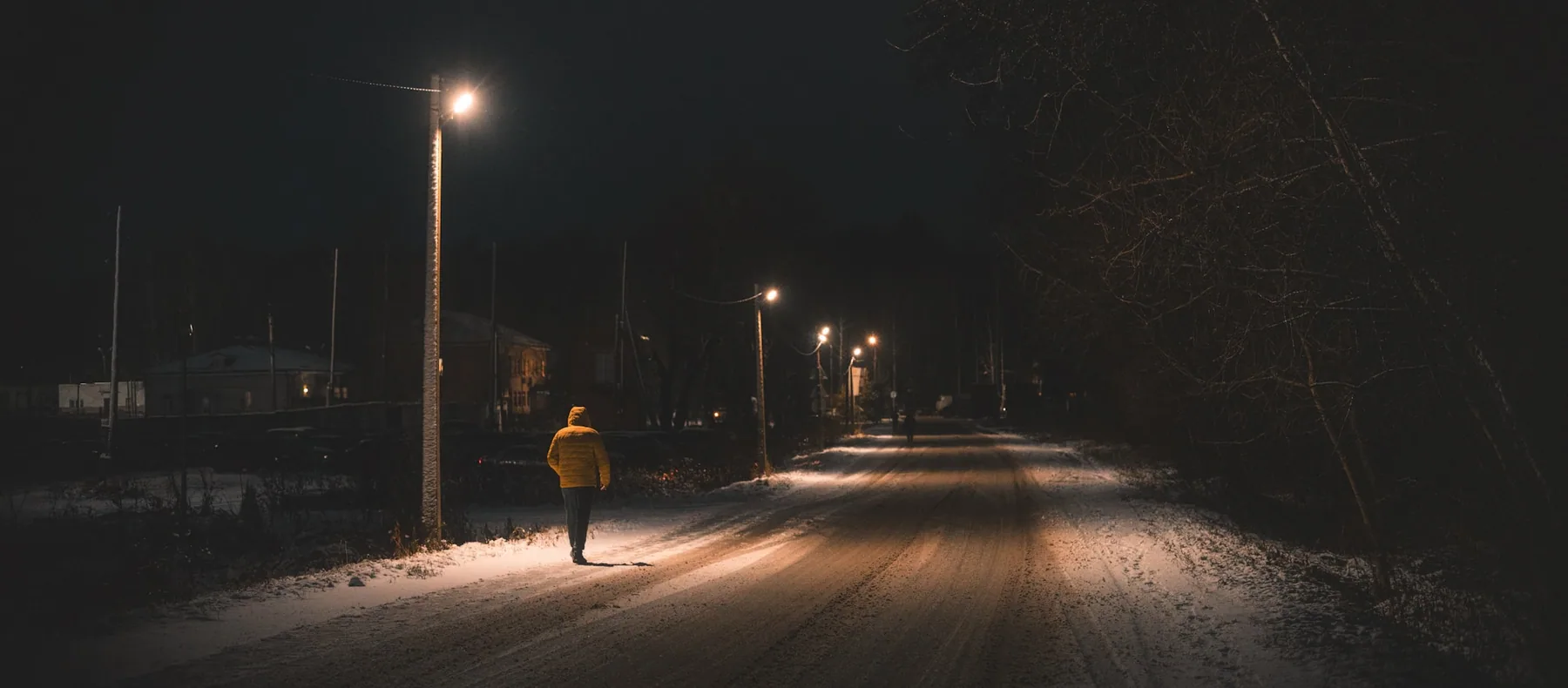
Washing destroys reflective material
Reflective print and heat-applied tape degrade with washing and with heat, and they degrade invisibly in daylight. A garment that looks fine can have lost most of its return.
| Action | Effect |
|---|---|
| Tumble drying | The fastest way to ruin it |
| Ironing over the tape | Immediate damage |
| Fabric softener | Coats and dulls the surface |
| Washing inside out, cool | Slows the loss |
| Checking it under a torch | The only way to know |
Photograph it with a flash in a dark room once a season. That is the whole test. General care for technical fabric is in our gym clothes care guide.
Trails and unlit paths
Off-road the problem inverts. There are no headlights, so reflective material has nothing to work with, and seeing the ground becomes the priority.
- A head torch is not optional on technical ground.
- Carry a spare light; a failure a long way out is a real problem.
- Tell someone the route, which no garment substitutes for.
- Reflective still helps if anyone comes looking.
Kit for cold and wet conditions off-road is covered in our layering guide and our wet-weather guide.
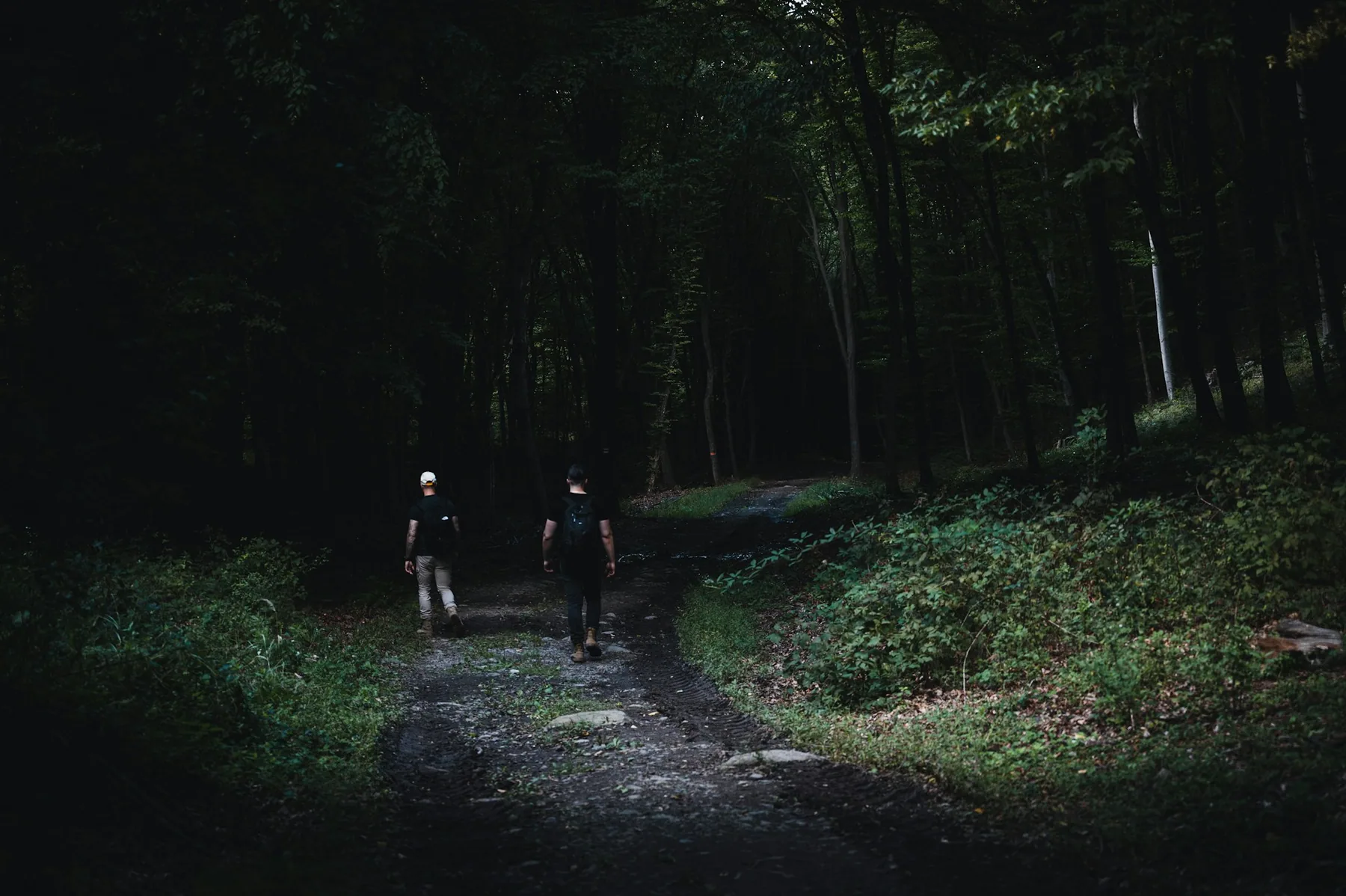
Being seen is not the same as being safe
Worth saying plainly, because visibility kit is marketed as though it were protective equipment. It changes the odds; it does not remove the risk.
Route choice does more than any garment. A lit path, a pavement, a park loop or a quiet hour is a larger safety decision than what you wear on it.
The short version
- Ankles first. Reflective at the ankles beats anything else.
- Fluorescent for dusk, reflective for night. Not interchangeable.
- Carry a red light behind, because drivers already read it.
- Do not tumble dry anything reflective.
- Choose the route before you choose the jacket.
Frequently asked questions
Where should reflective material go on running clothes?
At the ankles first, then the wrists. Reflective material is recognised as a person rather than a road sign when it moves, and the ankles move through the largest and most distinctive arc. A single panel on the middle of the back is the most common placement and one of the least useful.
Is a fluorescent jacket enough for running at night?
No. Fluorescent colours work by converting ultraviolet light, so they need daylight and are effective at dusk, dawn and on overcast days. In full darkness they are just a colour. Night visibility needs retroreflective material, an active light, or both.
Do you need a head torch to run in the dark?
On lit roads and pavements, usually not — being seen matters more than seeing. On unlit paths or trails a head torch is not optional, and a spare light is worth carrying, because a failure a long way from home is a genuine problem rather than an inconvenience.
Does washing ruin reflective clothing?
It degrades it, and heat degrades it fastest. Tumble drying, ironing over the tape and fabric softener all reduce how much light the material returns, and the loss is invisible in daylight. Wash cool and inside out, and check the garment once a season by photographing it with a flash in a dark room.
What is the cheapest way to be visible when training in the dark?
Two reflective ankle bands and one clip-on red light worn at the back of the waistband. That combination costs very little, works over any kit you already own, and covers the two things that matter most: movement at the ankles, and a rear light that drivers already know how to read.