Kit Guide
Caps, Beanies and Headbands: The Cheapest Comfort in Your Kit
The smallest, cheapest items in a training wardrobe, and the ones that change how a session feels the most per pound spent.
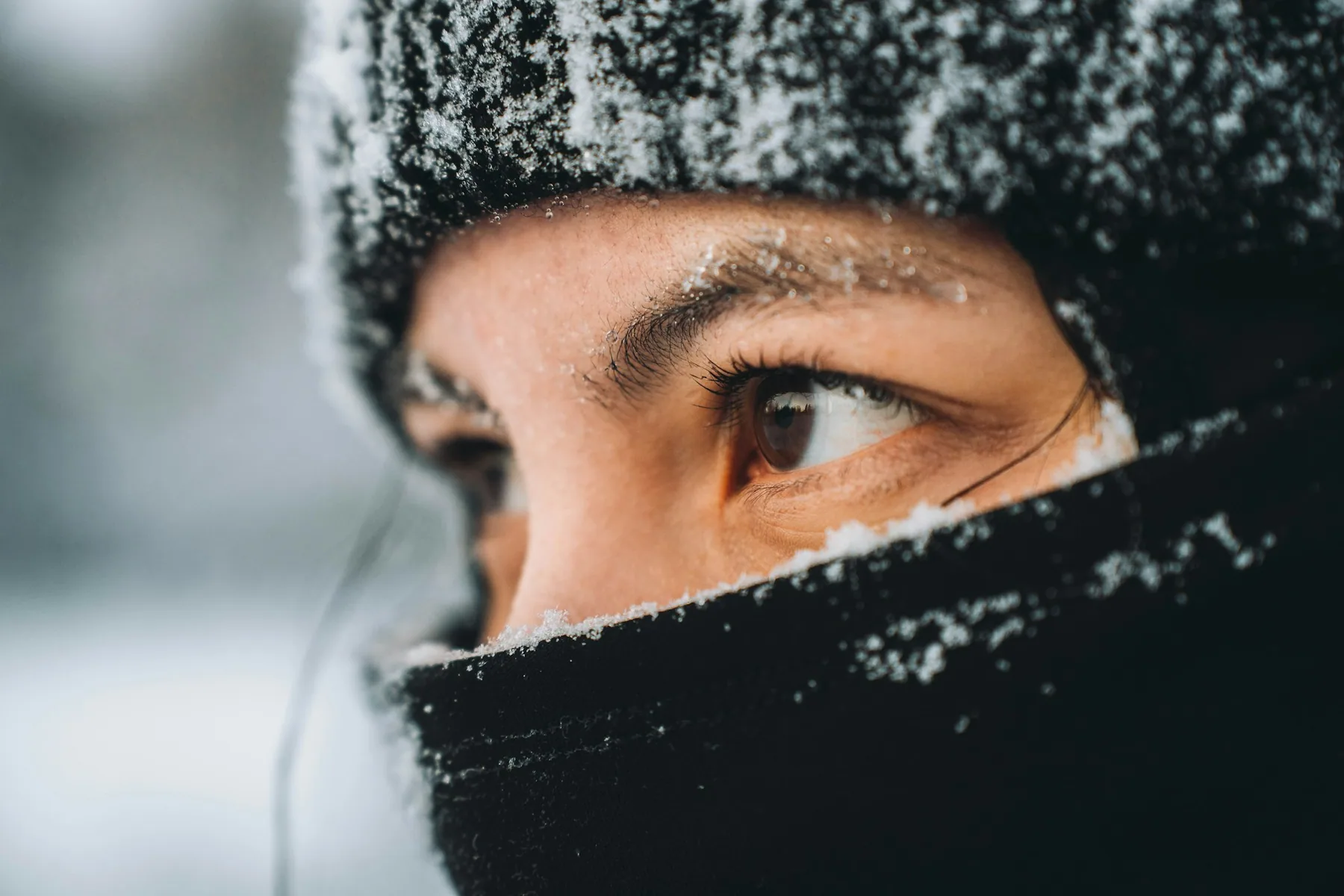
Each one solves a different problem. Confusing them is why people end up wearing the wrong thing and concluding headwear does not help.
What each one is actually for
| Item | Primary job | Secondary | Wrong for |
|---|---|---|---|
| Structured cap | Shade the face | Keeps rain off | Cold weather warmth |
| Soft or unstructured cap | Shade, packs small | Casual wear | Heavy rain |
| Beanie | Heat retention | — | Anything warm |
| Headband | Stop sweat reaching eyes | Keeps hair back | Warmth or sun |
| Neck gaiter | Wind on the neck | Can cover the head | Sun on the face |
A beanie is the one people misuse most. It has essentially one job and it does it well, which is why it comes off within minutes of warming up. Where it sits in a full cold-weather system is covered in our layering guide.
Which is why it should be the first thing you take offA beanie is a heat garment, not a running accessory.
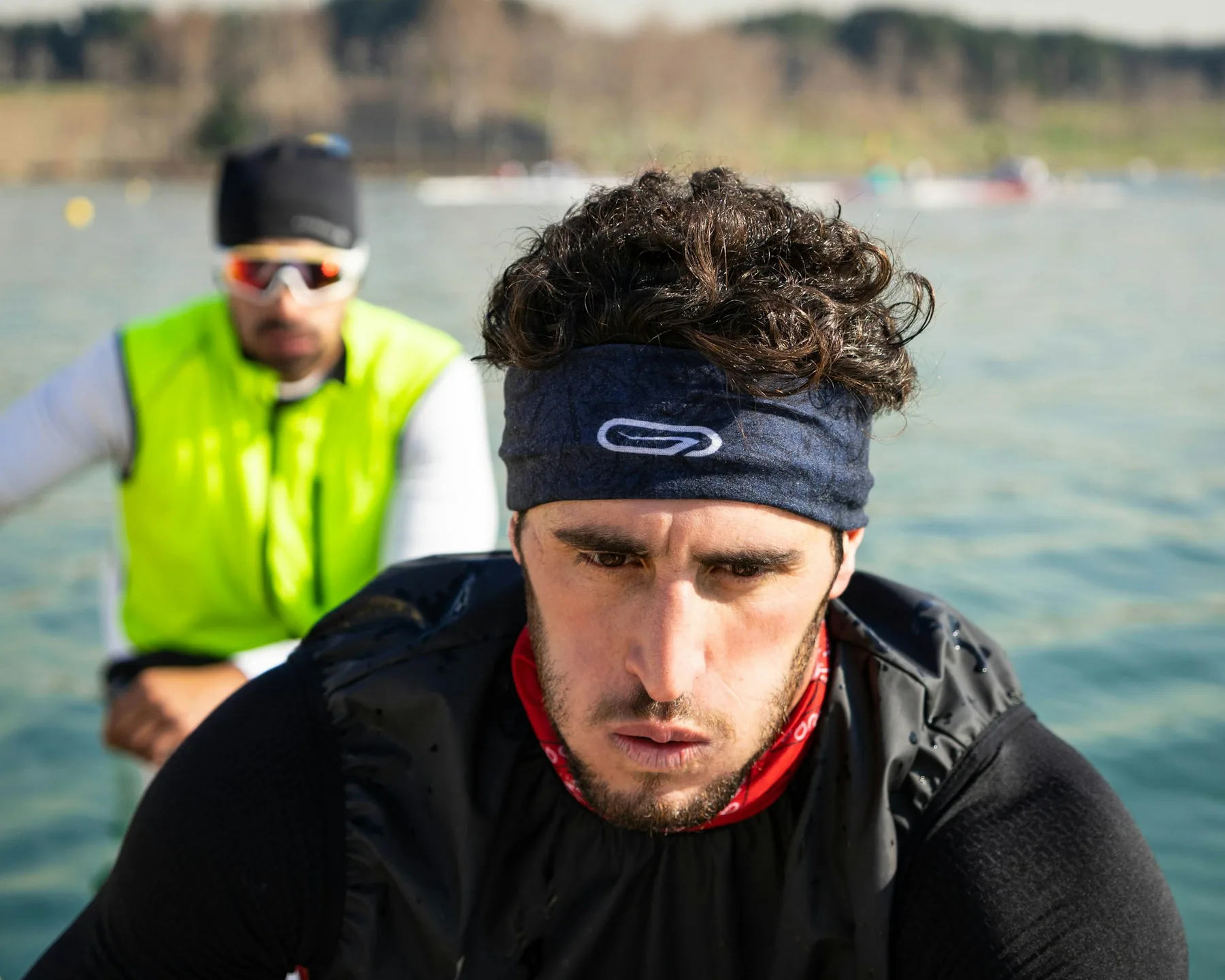
Sun is the argument for a cap
This is the function with an actual health basis rather than a comfort one. The face, ears and back of the neck take the most exposure during outdoor training.
A brim shades the face and, unlike sunscreen, does not sweat off after twenty minutes. Guidance on sun protection from a non-commercial source is published by the Skin Cancer Foundation.
- A brim shades the face; it does nothing for the ears or neck.
- Pale colours reflect rather than absorb, and run cooler.
- Tight weaves block more than open mesh panels do.
- A cap is not a substitute for sunscreen on exposed skin.
Coverage of the shoulders, the other area that burns first, is covered in our hot-weather training guide.
Fit, and why caps come off
A cap that moves is worse than no cap. Most of the problem is the closure and the sweatband rather than the size.
| Closure | Adjustability | Stays put | Comfort under a hood |
|---|---|---|---|
| Elasticated | None — sized | Best | Best |
| Strapback | Fine | Good | Good |
| Snapback | Stepped | Moderate | The clasp digs in |
| Buckle | Fine | Good | Metal against the skull |
| Fitted | None | Best if correctly sized | Good |
For training, elasticated or strapback is the practical answer. A snapback clasp sits exactly where a hood presses, which is uncomfortable in cold or wet weather — see our rain guide.
The sweatband does the real work
Almost every complaint about a cap in training traces back to the internal band: it is too thin, it is cotton, or it is not there.
- A terry or synthetic band absorbs and holds sweat off the brow.
- Cotton bands saturate and then drip, which is worse than nothing.
- A band that is too tight leaves a mark and causes headaches.
- No band at all means sweat runs straight down your face.
Headbands are a narrower tool
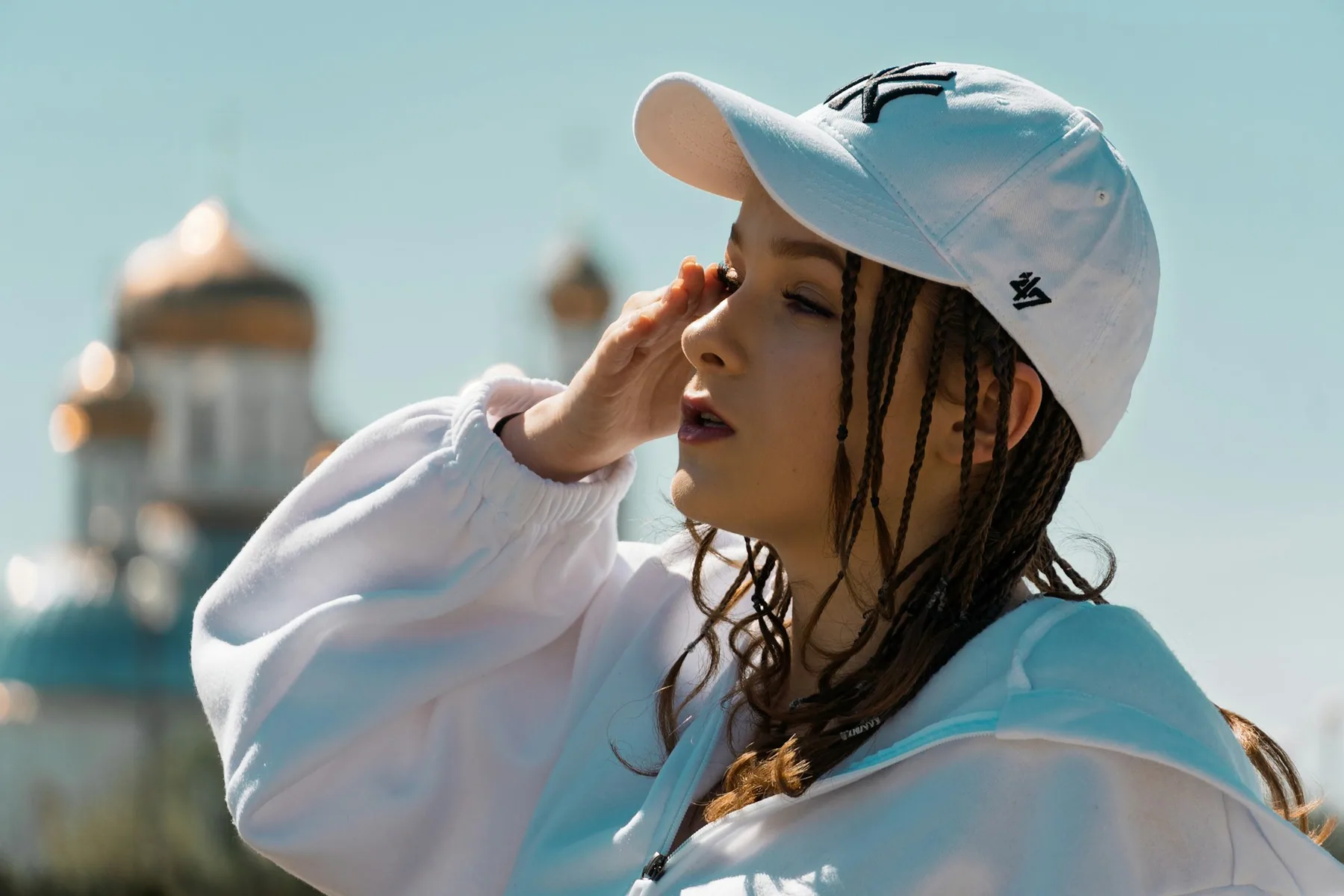
A headband does one thing: it stops sweat reaching your eyes. That is genuinely useful in lifting and classes, where a cap brim gets in the way.
| Type | Absorbency | Stays put | Best for |
|---|---|---|---|
| Terry towelling | High | Moderate | Lifting, indoor training |
| Synthetic wicking | Moderate | Good | Running, longer sessions |
| Thin elastic | Low | Best | Keeping hair back only |
| Wide fleece | Low | Good | Cold weather ears |
Terry absorbs most and saturates fastest. Synthetic holds less at once but keeps working for longer, which is the right trade for anything over an hour.
Cold weather: ears first
The ears are the part that actually hurts in cold, and a beanie is a far more effective piece of cold-weather kit than most people credit.
| Option | Warmth | Breathability | Best for |
|---|---|---|---|
| Thin technical beanie | Moderate | Good | Running, most sessions |
| Thick knit beanie | High | Poor | Standing around, very cold |
| Ear band only | Low | Best | Mild cold, high effort |
| Beanie under a hood | Highest | Poor | Wind and rain |
A thick knit beanie during a hard session will make you sweat, and a wet head cools very fast once you stop — which is exactly the failure mode our layering guide describes.
Washing headwear without ruining it
Caps are the item people either never wash or destroy in one cycle. Both are avoidable.
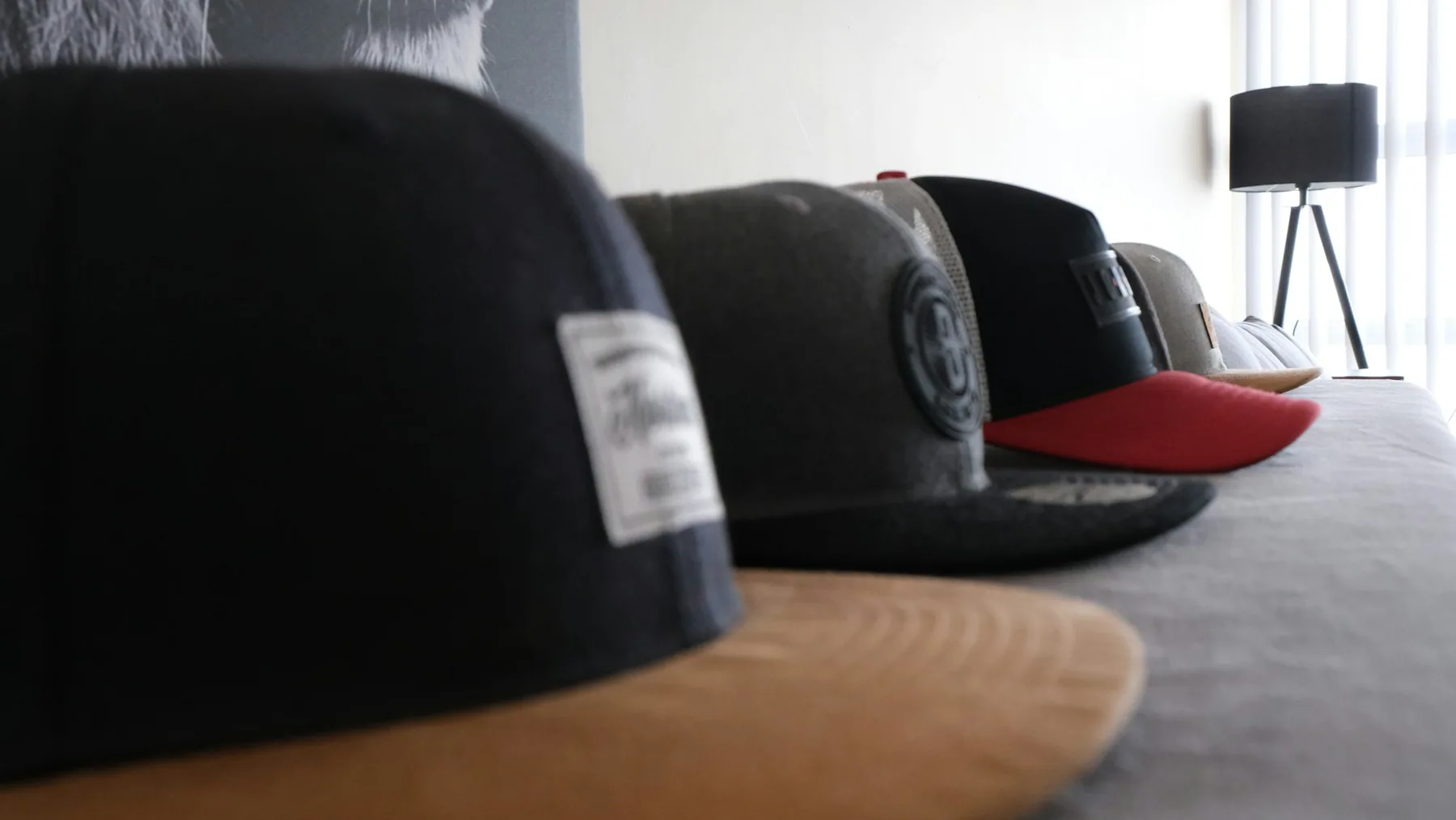
- Never machine wash a structured cap; the brim deforms.
- Hand wash in cool water with a little detergent.
- Do not wring — press water out with a towel.
- Dry on something round so the crown holds its shape.
- Beanies and headbands can go in a cool machine wash, in a bag.
Salt from sweat stiffens a sweatband faster than anything, which is the same problem covered in our gym clothes care guide.
Gym etiquette and hats indoors
Worth a brief mention because it varies and occasionally catches people out.
Most commercial gyms have no rule about caps. A minority of university and council facilities restrict them, usually alongside other coverage rules rather than on their own. Where dress codes generally land is covered in our gym dress code guide.
The practical consideration is sightlines rather than policy: a low brim limits what you can see overhead, which matters under a barbell more than it does on a treadmill.

Sizing headwear
Rarely covered, and the reason most people conclude caps do not suit them.
| Item | Measure | Fit test |
|---|---|---|
| Fitted cap | Around the head above the ears | Snug, no pressure line after ten minutes |
| Adjustable cap | Not needed | Two fingers under the band |
| Beanie | Stretch handles most sizes | Covers the ears without rolling up |
| Headband | Around the forehead | Stays put when you shake your head |
A cap that leaves a red line across your forehead after ten minutes is too small, and it will give you a headache on a long session. A cap that lifts when you run is too large, and no amount of adjustment fixes a crown that is too deep.
The short version
- Cap for sun and rain, headband for sweat, beanie for cold.
- Choose elasticated or strapback for anything you train in.
- The internal sweatband decides whether a cap helps.
- Thin technical beanies beat thick knit ones during a session.
- Hand wash structured caps; never machine.
Frequently asked questions
Should you wear a hat to the gym?
Indoors, a headband usually does the job better, since a cap brim limits what you can see overhead, which matters under a barbell. Outdoors a cap is genuinely useful for shade and for keeping rain off your face. Most commercial gyms have no rule either way.
Do caps protect you from the sun while running?
A brim shades the face effectively and, unlike sunscreen, does not sweat off partway through a session. It does nothing for the ears or the back of the neck, so it is a supplement to sun protection rather than a replacement for it. Pale colours and tight weaves perform better than dark or open-mesh panels.
What is the point of a headband in the gym?
One thing: stopping sweat reaching your eyes. Terry towelling absorbs most but saturates fastest; a synthetic wicking band holds less at once and keeps working longer, which is the better trade on anything over an hour.
Should you wear a beanie while running?
A thin technical one, yes, in genuinely cold weather. A thick knit beanie will make you sweat during a hard session, and a wet head cools very quickly once you stop. Treat it like a mid layer: useful at the start, and the first thing to come off.
How do you wash a baseball cap without ruining it?
Hand wash a structured cap in cool water with a little detergent, press the water out in a towel rather than wringing it, and dry it over something round so the crown keeps its shape. A machine cycle will deform the brim. Beanies and headbands are fine in a cool machine wash inside a laundry bag.