Fit Guide
Training Kit for Bigger Builds: What Fails and Why
Sizing up is not the same as fitting. Standard grading scales a garment evenly, and bodies do not get bigger evenly — which is why the same three things fail.
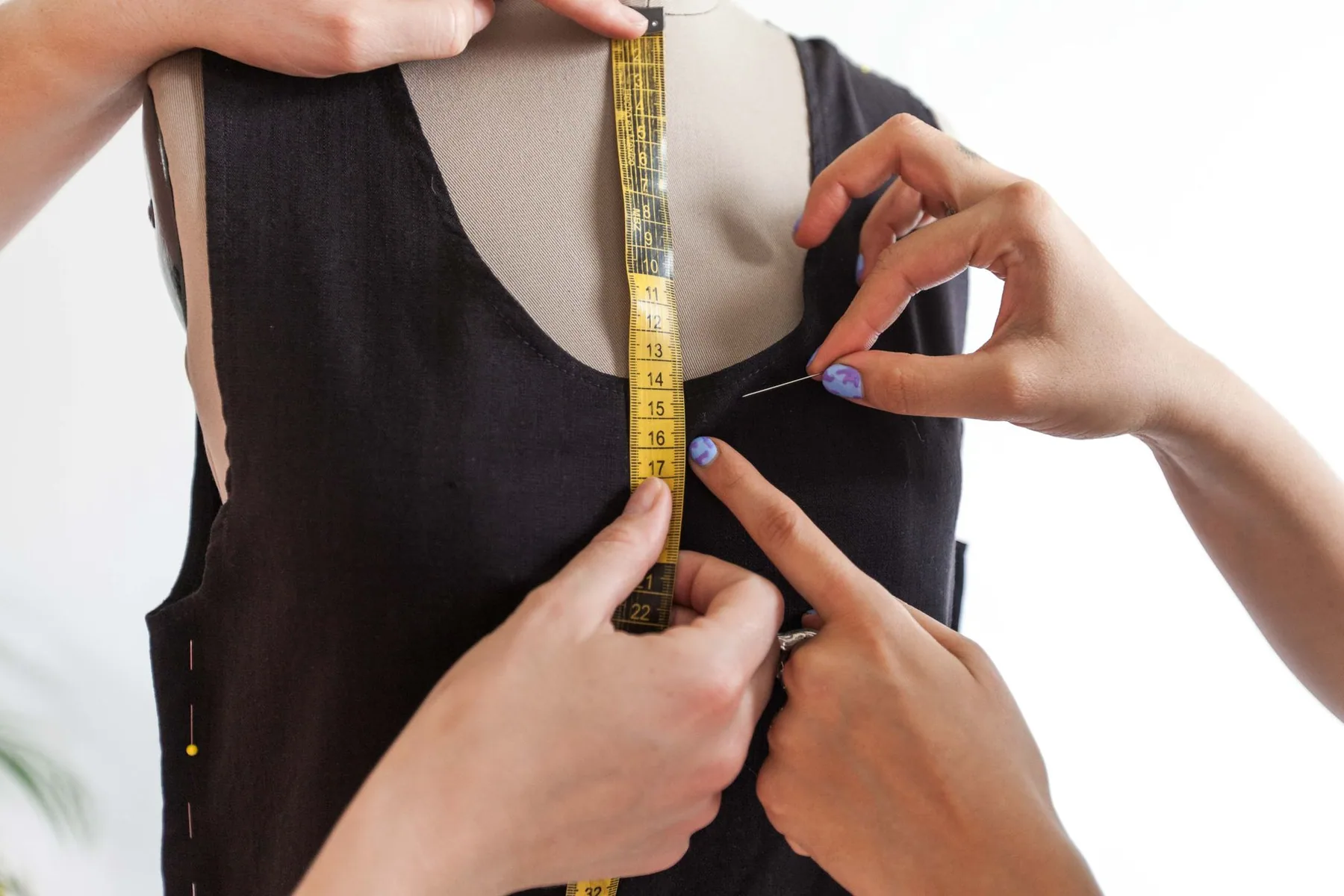
A size XL is usually a size M with a fixed percentage added everywhere. If your chest, arms or thighs are proportionally larger than that formula assumes, the garment fails in predictable places.
How grading works against you
Manufacturers scale a base pattern up and down by set increments. That works while a body scales the same way. Past a point it does not.
| Measurement | Assumption | Common reality | Result |
|---|---|---|---|
| Chest to waist | Grows together | Chest much larger | Loose waist, tight chest |
| Bicep to chest | Fixed ratio | Arms proportionally larger | Sleeve binds |
| Thigh to waist | Fixed ratio | Thighs proportionally larger | Shorts pull at the leg |
| Body length | Grows with width | Often does not | Hem rides up |
| Shoulder width | Grows with chest | Varies widely | Seam sits off the point |
Which is why the answer is usually a different cutSizing up fixes one measurement and ruins three.
The sleeve is the most common failure
A sleeve that grips the bicep limits the top of an overhead press and is the single most-reported fit problem on training tops.
- Raglan sleeves run from underarm to collar, so nothing binds.
- Cap sleeves have no underarm seam at all.
- Drop shoulders add room but change how the shirt reads.
- Sleeveless removes the problem entirely.
Our cap sleeve guide covers the cut that gives shoulder coverage without the seam, and the tank guide covers armhole depth.
Shorts: the thigh, not the waist
Most people buy shorts on waist size. On larger builds the thigh is usually what decides fit, and a drawcord waistband can absorb a size of difference while the leg opening cannot.
| Feature | Look for | Avoid |
|---|---|---|
| Leg opening | Generous, or a side split | Narrow, tapered hems |
| Inseam | 7 to 9 inch | Very short — rides up |
| Waistband | Wide, flat, drawcord | Thin elastic only |
| Fabric | Four-way stretch | Woven with no give |
| Inner seam | Flatlock | Raised overlock |
Inseam by movement is covered in our gym shorts length guide, and skin-on-skin friction — more likely on larger thighs — in our chafing guide.
Body length and the riding-up problem
A wider body needs more fabric to travel the same vertical distance, so a top that is nominally long enough often is not once it is on.
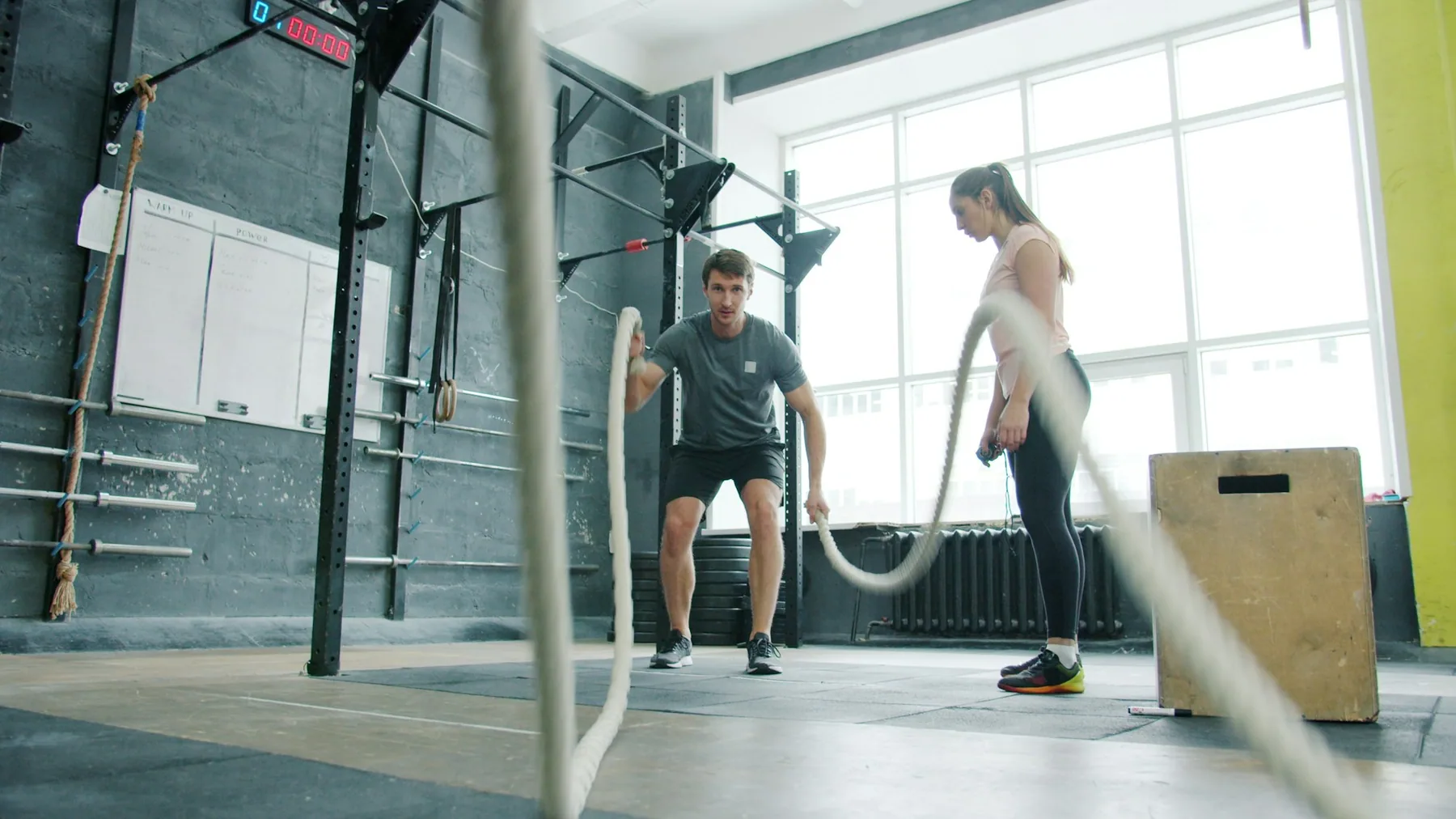
- Check the hem with your arms overhead, not standing still.
- Longline cuts add length without adding width.
- Avoid cropped or boxy cuts unless that is the intent.
- Tall sizing, where offered, adds length only.
Fabric does more work than cut
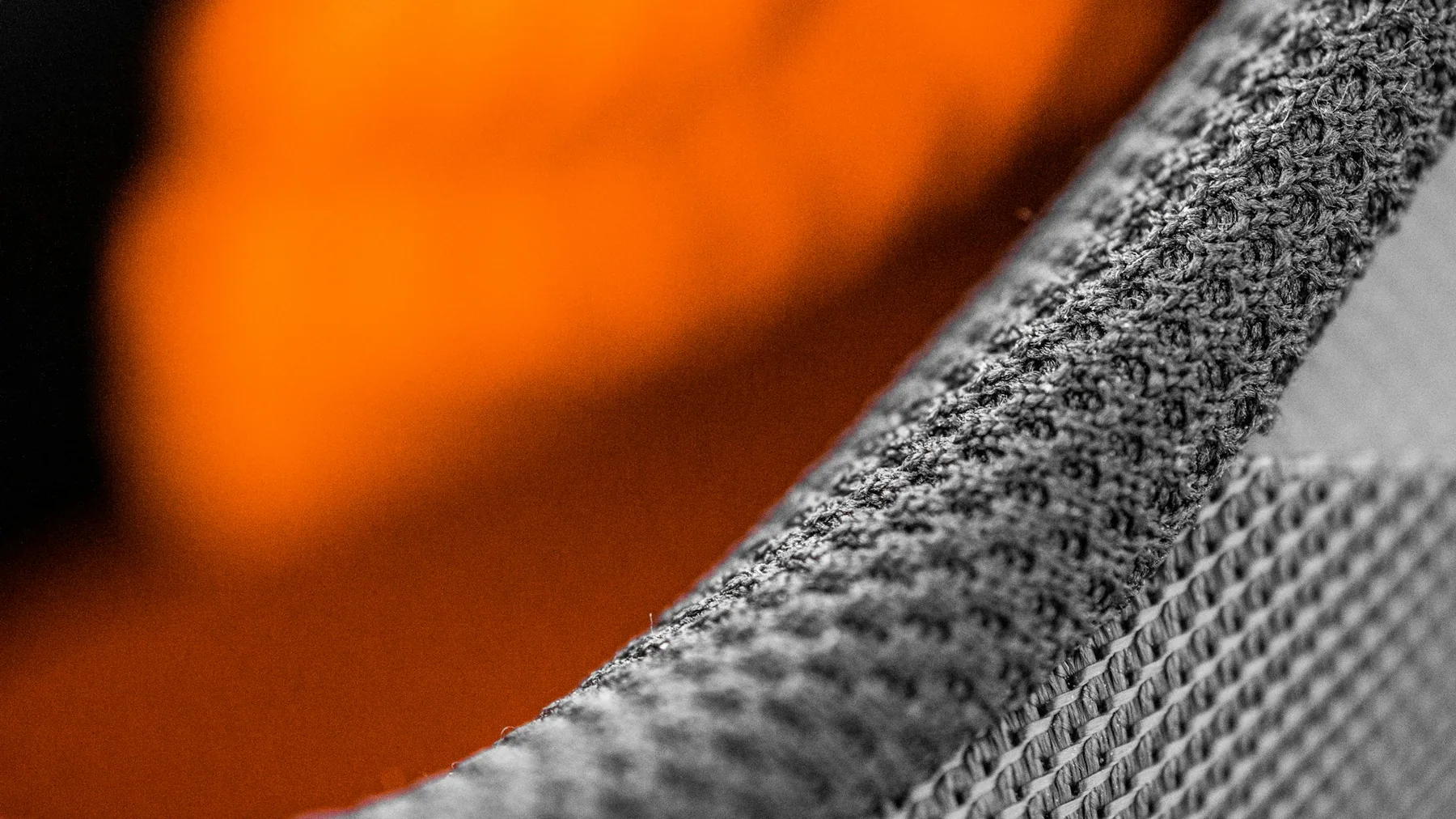
A four-way stretch fabric forgives a great deal of grading error. A woven or low-elastane knit forgives none.
| Fabric | Elastane | Tolerance | Verdict |
|---|---|---|---|
| Four-way stretch knit | 5–12% | High | Best |
| Two-way stretch | 3–5% | Moderate | Acceptable |
| Plain jersey | 0–3% | Low | Size carefully |
| Woven, no stretch | 0% | None | Avoid for training |
What the numbers on the label mean is in our performance fabric terms guide.
Chafing and heat are more likely, not inevitable
Two mechanical realities: more skin contact at the inner thigh, and a larger body generating more heat relative to the surface area available to shed it.
Both are solvable with kit rather than endured. A fitted inner layer removes skin-on-skin contact, and lighter, more open fabrics help with heat — see our hot-weather guide.
Judging a garment before you buy
- Measure the bicep and compare to the sleeve opening flat.
- Check the leg opening on shorts, not just the waist.
- Read the elastane percentage — under 5% is unforgiving.
- Look for flatlock at the inner thigh and underarm.
- Test the four movements before removing the tags.
Sizing is not consistent across our own range either, which is why every product page carries its own chart — see the size guide.
What the industry gets wrong
Worth naming, because it explains a frustrating shopping experience rather than excusing it.
| Practice | Effect |
|---|---|
| Grading from one base size | Fit degrades at the extremes of the range |
| Fitting on one model | Proportions suit one body only |
| Extended sizes as an afterthought | Scaled, not re-patterned |
| Same fabric across all sizes | Larger sizes need more stretch, not less |
| No leg or bicep measurements published | You cannot check before buying |
The practical response is to buy on measurements rather than on size labels, and to favour makers who publish them.
Coverage, confidence and what actually matters
A lot of kit advice aimed at bigger builds is really styling advice about looking smaller. That is a separate question from whether a garment works.
What matters functionally is that nothing binds, nothing rides up and nothing chafes. If a longline top or a looser cut achieves that, it is the right garment regardless of what it does or does not conceal.
The practical version of that is to judge a garment during a session rather than in front of a mirror. A top that reads well standing still and then rides up on the third set has failed, and one that looks unremarkable but never needs adjusting has not.
General health information from a non-commercial source is published by the National Institutes of Health.
Building the wardrobe
| Item | Priority | Why |
|---|---|---|
| Four-way stretch shorts | Highest | Solves the thigh and the waist together |
| Raglan or sleeveless tops | High | Removes the sleeve problem |
| Fitted inner layer | High | Removes skin-on-skin chafing |
| Longline tops | Moderate | Solves riding up |
| Light, open fabrics | Moderate | Heat management |
How many of each you need is in our guide to how many gym clothes you need.
The short version
- Sizing up fixes one measurement and ruins three.
- The sleeve fails first — raglan or sleeveless solves it.
- Buy shorts on the leg opening, not the waist.
- Four-way stretch forgives what grading gets wrong.
- Buy on measurements, not on the size label.
Frequently asked questions
Why do gym clothes not fit properly on bigger builds?
Because standard grading scales a base pattern up by fixed increments, assuming every measurement grows together. Chests, arms and thighs frequently do not grow in that ratio, so the garment fails at the sleeve, the leg opening and the hem while fitting elsewhere.
Should I just size up in gym clothes?
Usually not. Sizing up adds width everywhere, so you fix a tight sleeve and gain a shirt that is loose at the waist and too wide at the shoulder. A different cut — raglan sleeves, a longline body, four-way stretch fabric — solves the problem without that trade-off.
What should I look for in gym shorts if I have larger thighs?
Check the leg opening rather than the waist, since a drawcord absorbs a size of difference at the waist but the leg opening cannot. Look for a 7 to 9 inch inseam, four-way stretch fabric, and a flatlock inner seam, which matters more here than anywhere else.
Which sleeve type works best for broad arms?
A raglan sleeve, because the seam runs from the underarm to the collar rather than sitting on the shoulder point, so nothing binds at the bicep when you press overhead. Cap sleeves and sleeveless cuts remove the underarm seam entirely.
Does stretch fabric really make that much difference?
Yes. Around 5 to 12 per cent elastane gives a garment enough give to accommodate proportions the pattern did not anticipate. Below about 3 per cent, or in a woven fabric with none, the garment fits the pattern rather than the person.