Size Guide
Size Guide: How to Measure and How MuscleDog Fits
Measure yourself once, then check the chart on the product you want. Our nominal sizes are not consistent across the range, and the gap is larger than most people expect.
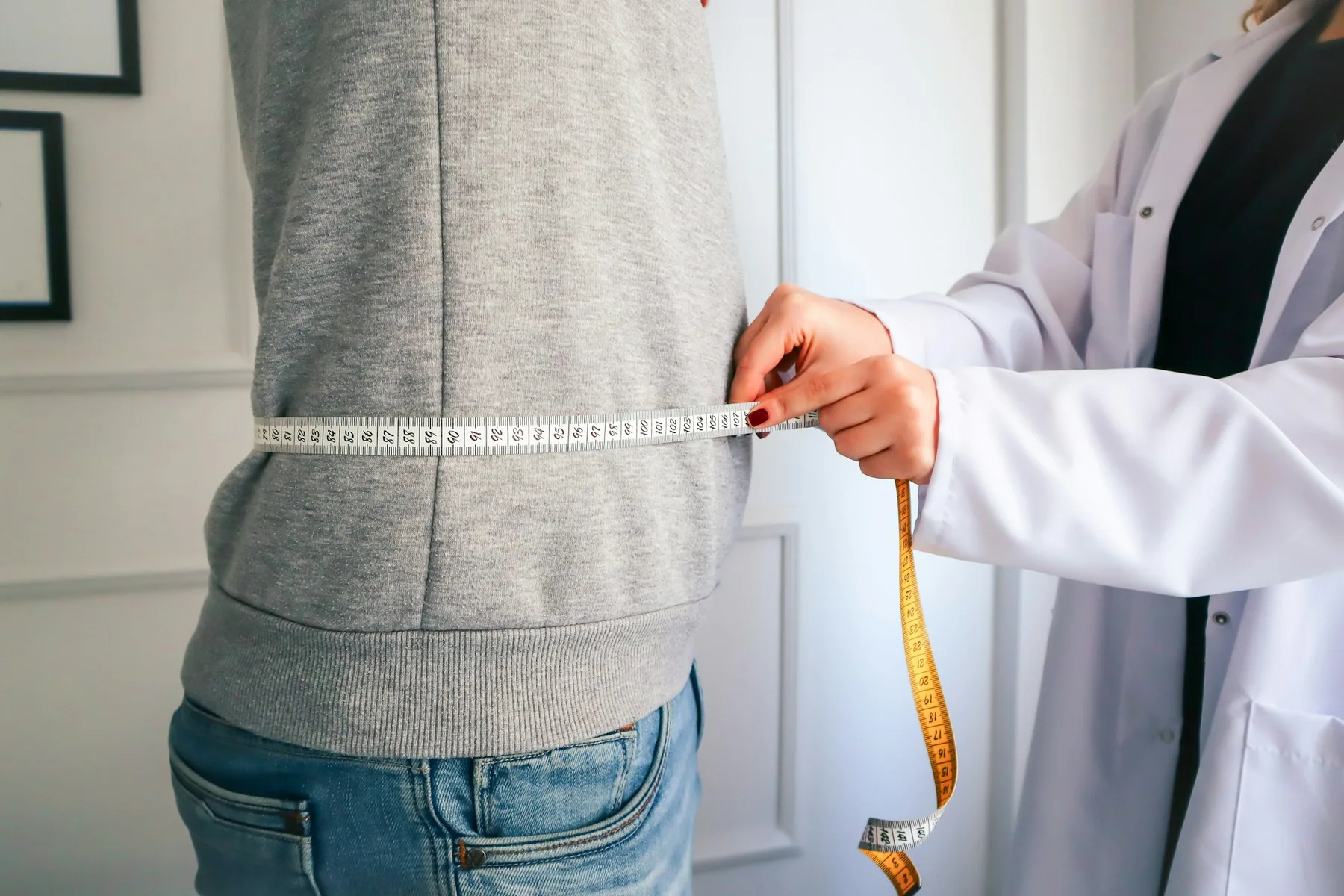
Every MuscleDog product page carries its own size chart in inches and centimetres. This page explains how to take the measurements those charts expect, and what to do when a size sits between two rows.
Read the product chart, not the size letter
This is the whole guide in one sentence. A medium in one MuscleDog top is not a medium in another, because the range covers everything from a close muscle fit to a deliberately oversized cut.
| Size | Smallest | Largest | Spread | Charts |
|---|---|---|---|---|
| S | 33″ | 43″ | 10″ | 7 |
| M | 35″ | 45″ | 10″ | 11 |
| L | 36″ | 47″ | 11″ | 11 |
| XL | 38″ | 49.5″ | 11.5″ | 11 |
| XXL | 39″ | 51″ | 12″ | 3 |
| 2XL | 43″ | 50″ | 7″ | 5 |
Those numbers are taken directly from the charts on our own product pages. A single unified chart would have to average them, and an average would be wrong for almost every individual garment.
It is a label, and it moves between productsA medium is not a measurement.
The four measurements worth having
Take these once, write them down, and you can order from any chart on the site without guessing.
| Measurement | Where | How |
|---|---|---|
| Chest | The fullest part, under the arms | Tape level all the way round, arms down, breathe normally |
| Waist | Natural waist, above the hip bone | Do not pull tight; one finger should slide under the tape |
| Hip | The widest point of the seat | Feet together, tape level front and back |
| Shoulder | Seam point to seam point across the back | Easier on a shirt that already fits than on yourself |
Two things that go wrong
- Measuring over a hoodie adds an inch or more. Measure over a t-shirt, or over nothing.
- Holding your breath or bracing changes the chest measurement by several inches. Stand normally.
Bottoms are more consistent, but not consistent
Shorts vary less than tops, largely because a drawcord waistband absorbs some of the difference. The spread is still worth checking.
| Size | Smallest | Largest | Spread | Charts |
|---|---|---|---|---|
| M | 24″ | 29″ | 5″ | 4 |
| L | 25″ | 31″ | 6″ | 4 |
| XL | 26″ | 32″ | 6″ | 4 |
| XXL | 27″ | 33″ | 6″ | 3 |
Where a short sits on the leg is a separate question from what waist it fits. Our gym shorts length guide covers inseam by movement, and the basketball shorts guide covers the longer end of the range.
Garment measurement or body measurement?
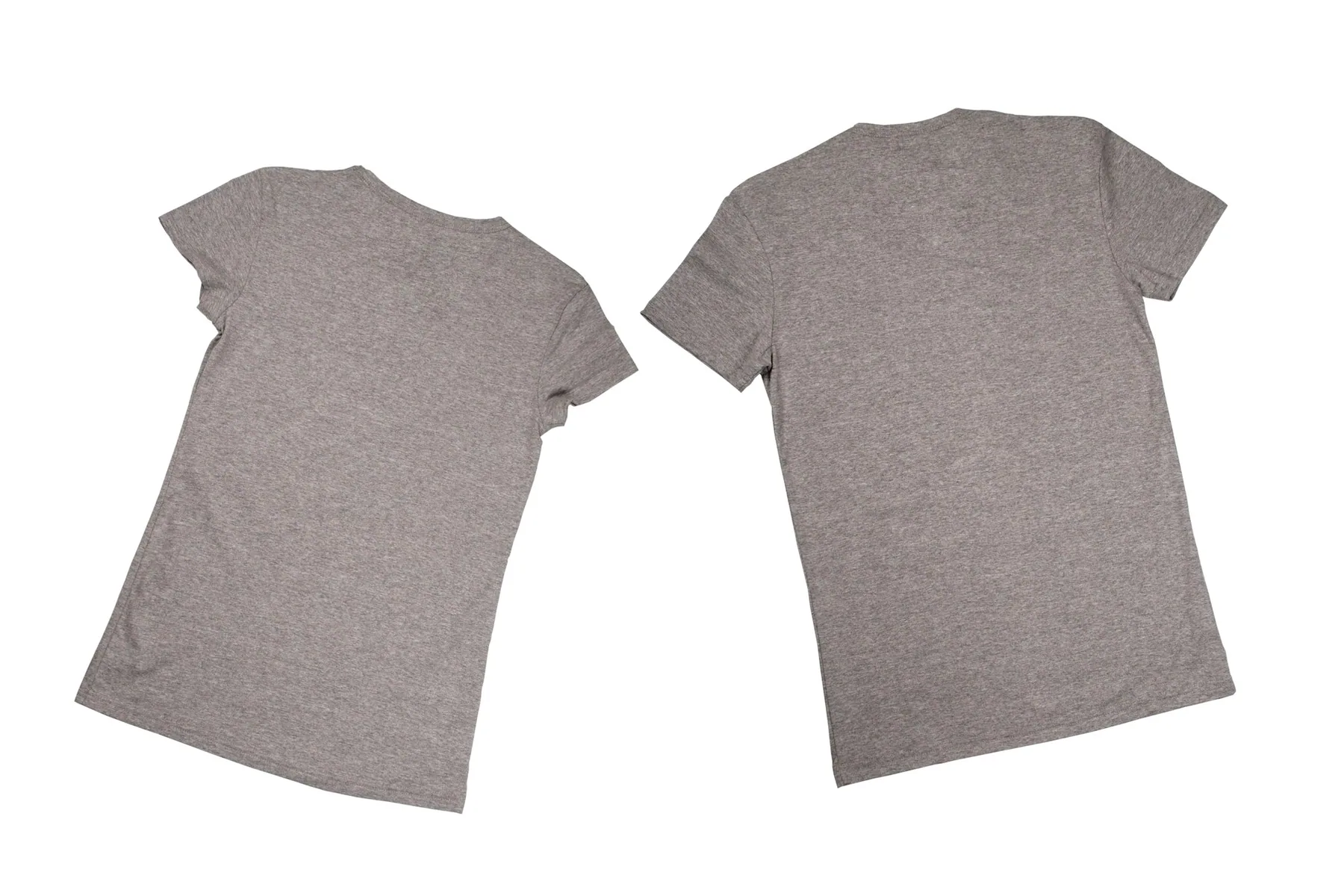
Our charts are garment measurements, laid flat and doubled where relevant. That matters, because a garment measured flat has no ease built into the number you read.
| Fit you want | Add to your chest measurement | Result |
|---|---|---|
| Compression / base layer | Nothing, or size down | Held against the body |
| Muscle fit | 1 to 2 inches | Close, follows the chest line |
| Regular training fit | 3 to 4 inches | Moves without flapping |
| Oversized | 6 inches or more | Deliberate drape |
Which of those you actually want is covered in our muscle shirt and regular tee comparison, which explains why chest-to-waist drop matters more than size.

When you are between sizes
The right answer depends on the garment, not on a general rule about sizing up.
- Fitted tops and base layers — size down; the fabric stretches.
- Regular tees — size up if your chest-to-waist drop is large.
- Shorts — go by waist; the drawcord handles the rest.
- Hoodies and layers — size up if it goes over anything.
- Anything with a print — size for the body, not the graphic.
Layering changes the answer more than people expect. Sizing a sleeveless hoodie over a base layer, or a full layering system, is worth reading before you order the outer piece.
The fit test that beats any chart
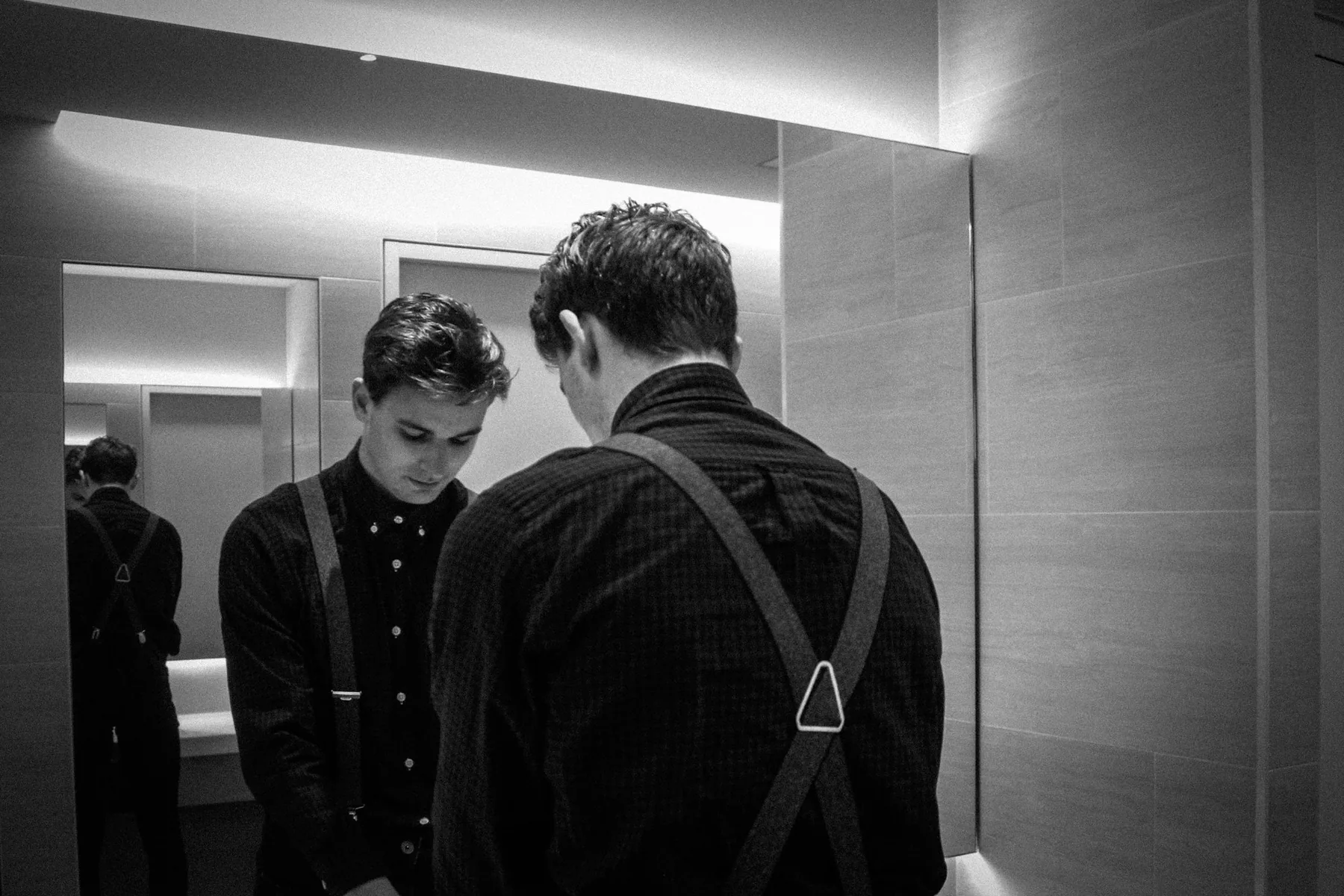
Once it is on, four movements will tell you whether the size is right. None of them involve standing still in front of a mirror.
- Arms overhead — the hem should still cover your waistband.
- Arms crossed in front — nothing should pull across the back.
- Deep hinge — the front should not fall away from the chest.
- Squat to depth — check the seat for opacity and the knee for bunching.
Frequently asked questions
How do I know what size MuscleDog to order?
Measure your chest, waist and hip once, then read the size chart on the specific product page. Our nominal sizes are not consistent across the range: the chest measurement at size M varies by around ten inches between our tops, because the range covers close muscle fits and deliberately oversized cuts.
Are MuscleDog size charts body measurements or garment measurements?
Garment measurements, taken flat. That means the number on the chart does not include any allowance for movement. For a regular training fit, add three to four inches to your own chest measurement; for a muscle fit, one to two.
What should I do if I am between sizes?
It depends on the garment. Size down for fitted tops and base layers, since the fabric stretches. Size up for regular tees if your chest is much larger than your waist, and for hoodies or layers that go over something else. For shorts, go by waist and let the drawcord do the rest.
How should I measure my chest?
Around the fullest part of the chest, under the arms, with the tape level all the way round. Keep your arms down and breathe normally. Measuring over a hoodie or while bracing can add several inches and is the most common reason an order comes back.
Why do different MuscleDog products have different size charts?
Because they are different garments. A compression short, a muscle-fit tee and an oversized graphic top cannot share one chart without the chart being wrong for at least two of them. Each product page carries the measurements for that specific piece.