Fabric Guide
Colour in Training Kit: Sweat Patches, Fading and What to Buy
Almost everyone owns one grey t-shirt they will not train in. There is a reason for that, and it is not the fabric — it is where grey sits on the tonal scale.
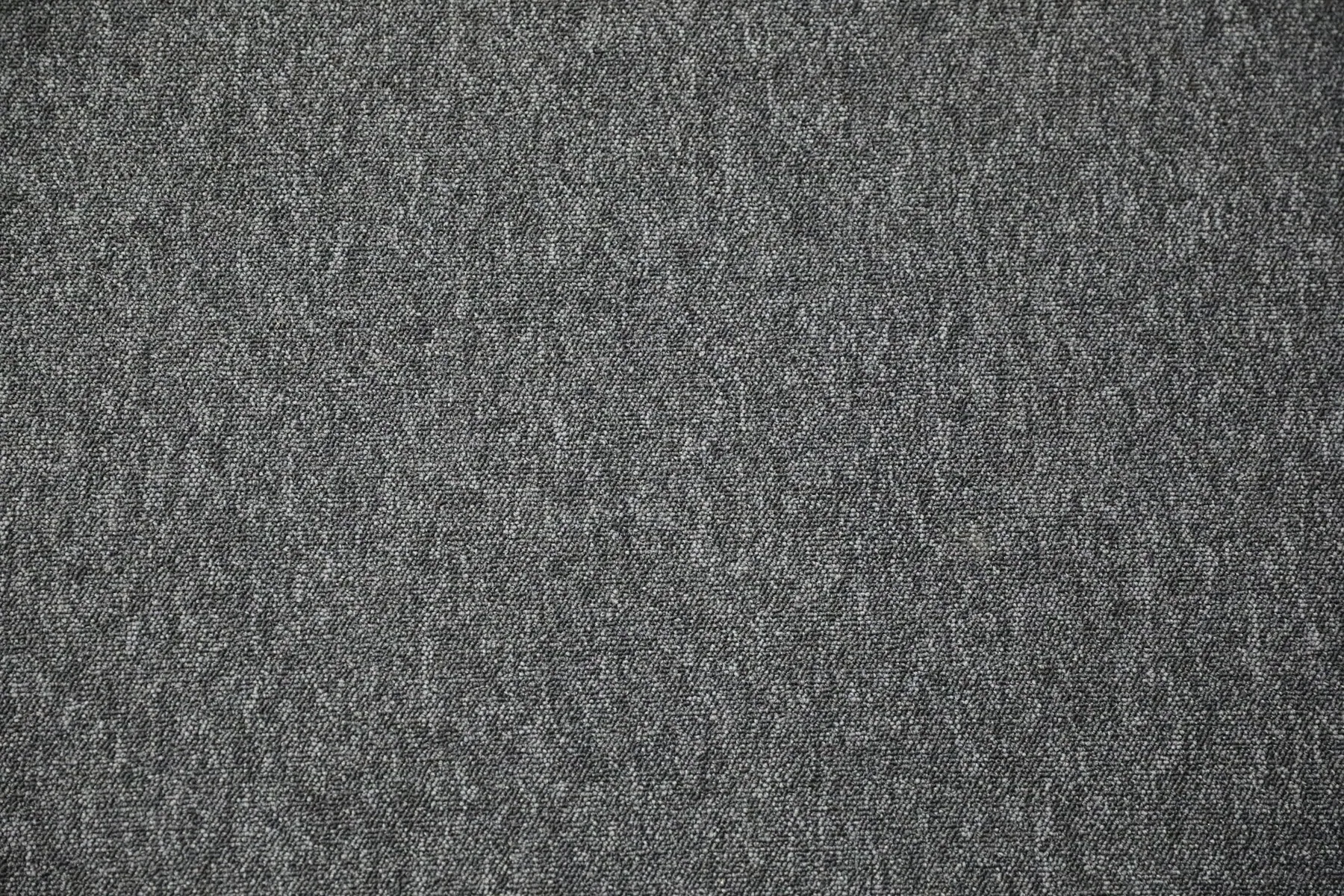
Wet fabric always looks darker than dry fabric. How visible that is depends entirely on how far apart the two tones end up.
Why grey is the worst possible choice
Wetting a fabric darkens it by roughly the same amount regardless of colour. On black there is almost no room to get darker, so nothing shows. On grey there is the maximum possible room, so a patch is obvious from across the room.
| Colour | Wet vs dry contrast | Sweat visibility | Verdict |
|---|---|---|---|
| Black | Minimal | Almost none | Best for hiding |
| Charcoal | Low | Low | Nearly as good, fades less |
| Navy | Low to moderate | Low | Good |
| Mid grey / grey marl | Maximum | Highest | Worst |
| Pale blue, khaki | High | High | Poor |
| White | Low, but goes translucent | Different problem | Depends on fabric weight |
Maximum distance between the wet tone and the dry oneGrey marl is not unlucky. It is mathematically the worst case.
White has a different problem entirely
White does not darken much when wet, so sweat patches are less visible than on grey. What white does instead is go translucent.
That makes fabric weight far more important than colour. A 120 gsm white tee will be see-through when wet; a 190 gsm one will not. Fabric weight and what it means is covered in our workout t-shirt fabric guide.
The same logic in bottoms
Shorts and leggings add a second failure mode, because they stretch across the seat and thigh under load. Colour and stretch compound each other.
| Colour | Sweat visibility | Opacity when stretched | Verdict |
|---|---|---|---|
| Black | Lowest | Best | Default for a reason |
| Charcoal | Low | Good | Good alternative |
| Navy | Low | Good | Good |
| Grey marl | Highest | Poor | Avoid for lifting |
| Pale colours | High | Poorest | Check in a squat, always |
The squat test matters more than any colour rule. Our gym shorts length guide covers opacity by fabric and colour in more detail.
Why black fades, and what it actually is
Black is not a single dye. It is a heavy loading of dye on the fibre, and it fades for two separate reasons that need different responses.
| Type | Cause | Looks like | Preventable |
|---|---|---|---|
| Dye loss | Detergent, heat, hard water | Even lightening to grey-brown | Largely |
| Surface abrasion | Fabric rubbing in the wash | Chalky, patchy dullness | Largely |
| UV degradation | Sunlight during drying | Fading on one side only | Yes |
| Chlorine damage | Bleach or pool water | Orange or patchy | Yes |
Abrasion is the one people miss. Much of what looks like fading is broken fibre ends scattering light, which is why washing inside out in lighter loads keeps black looking black for far longer.
Keeping black black
- Wash inside out, in a light load, on a cool cycle.
- Use less detergent; excess strips dye and leaves residue.
- Never fabric softener — it dulls the surface.
- Dry in shade; direct sun fades one side only.
- Wash blacks together, and do not overfill the drum.
Guidance on laundry and textile care from a public university service is published by University of Minnesota Extension. The full routine for technical fabric is in our gym clothes care guide.
Charcoal is the underrated answer
It hides sweat almost as well as black and shows fading far less, because there is less dye loading to lose and less contrast when some goes.
If you own kit that always looks tired after a year, charcoal and navy are the practical alternatives to buying black repeatedly.
Colour outdoors changes the calculation
Indoors, colour is about appearance. Outdoors it affects heat and visibility, which are safety considerations rather than aesthetic ones.
| Colour | Heat in sun | Visibility in low light | Best for |
|---|---|---|---|
| Black | Warmest | Worst | Cold weather, gyms |
| Charcoal / navy | Warm | Poor | Mild conditions |
| White / pale | Coolest | Moderate | Hot weather |
| High-visibility | Moderate | Best | Roads, low light |
Reflective detail beats bright colour once it is genuinely dark, as our rain guide covers, and pale colours run cooler in direct sun — see the hot-weather guide.
Prints and colour
A graphic changes the equation, because the printed area does not absorb sweat the way the fabric around it does.
- A large print hides sweat on the panel it covers.
- The edges show it more, because the contrast is local.
- Prints on grey are the worst combination available.
- Dark base, light print ages better than the reverse.
Why print method matters for durability is in our guide to rescuing damaged kit.
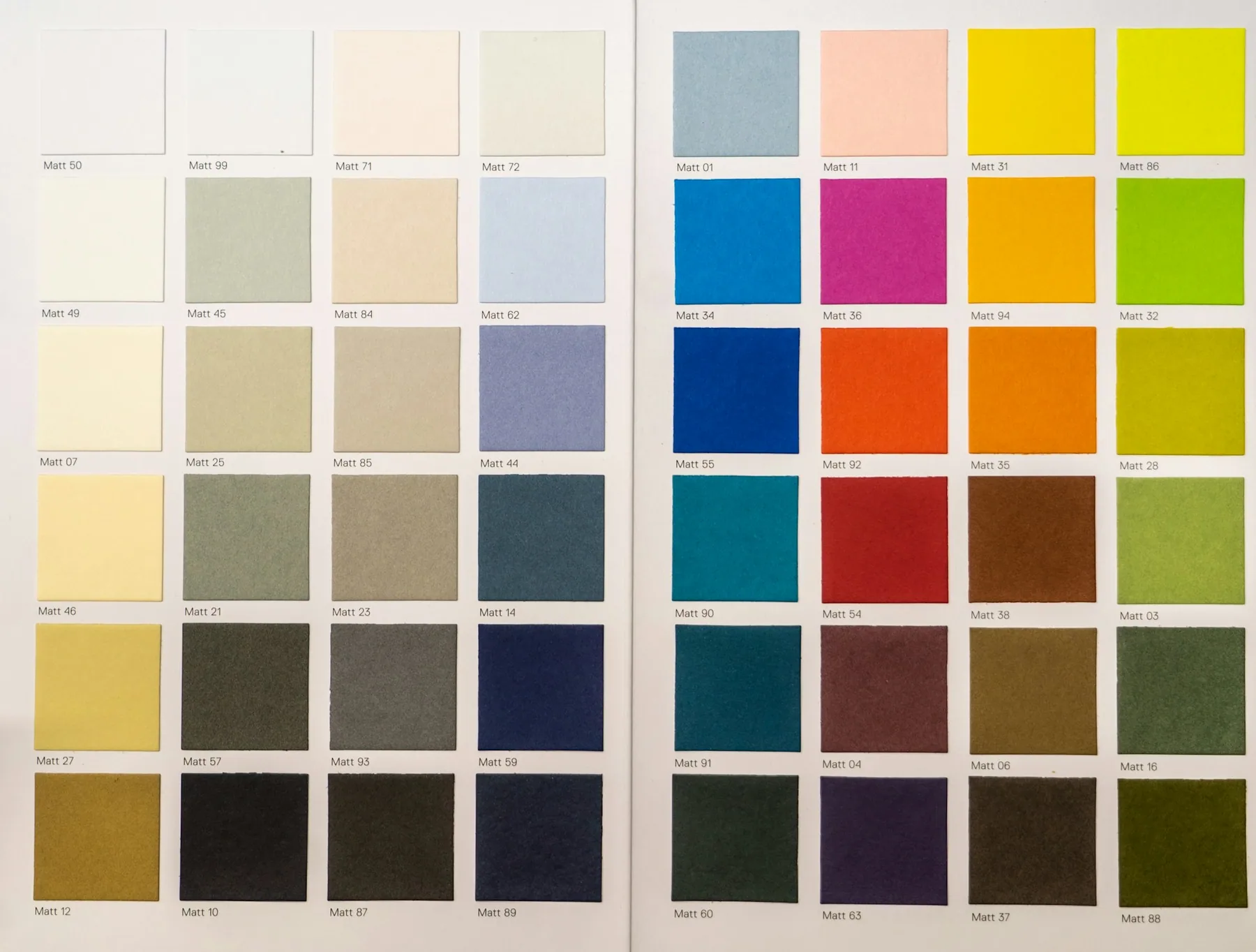
Building a kit palette that works
Two or three colours across the whole wardrobe means everything matches, everything washes together, and nothing is unwearable on a given day.
| Role | Colour | Why |
|---|---|---|
| Bottoms | Black or charcoal | Sweat and opacity |
| Everyday tops | Black, charcoal, navy | Hides sweat, washes together |
| Hot weather tops | White or bone | Runs cooler; check the weight |
| One accent | Brand red or similar | Reads as a choice, not a uniform |
| Avoid | Mid grey, pale blue | Highest sweat visibility |
How that fits into overall quantity is covered in our guide to how many gym clothes you need, and wearing the same palette outside the gym is in our athleisure guide.
When colour genuinely does not matter
Worth saying, because this can tip into overthinking a t-shirt.
- Short sessions where you barely sweat.
- Home training, where nobody sees it.
- Under a layer for the whole session.
- Anything you already own and are happy in.
The short version
- Grey marl shows sweat worst. It is a contrast problem.
- White goes translucent — buy weight, not colour.
- Charcoal hides nearly as well as black and fades less.
- Wash inside out and cool to keep black black.
- Black bottoms for lifting, every time.
Frequently asked questions
Why do grey gym clothes show sweat so much?
Because wetting fabric darkens it by roughly the same amount whatever the colour, and mid grey has the most room to darken. Black has almost none, so nothing shows. Grey sits at the point of maximum contrast between the wet and dry tone, which is why a patch is visible from across the room.
What colour gym clothes hide sweat best?
Black, followed closely by charcoal and navy. White is better than people expect for sweat patches because it does not darken much, but it goes translucent instead, so fabric weight matters more than colour on anything white.
Why does black activewear fade?
Two separate reasons. Dye is stripped by detergent, heat and hard water, which lightens the garment evenly. Separately, fabric rubbing in the wash breaks fibre ends that scatter light and look chalky. The second is often mistaken for the first, and washing inside out in lighter loads prevents most of it.
Is charcoal better than black for gym clothes?
In one respect, yes. Charcoal hides sweat almost as well as black and shows fading far less, because there is less dye loading to lose and less contrast when some of it goes. If your black kit looks tired after a year, charcoal is the practical alternative.
Do white gym clothes go see-through when wet?
It depends on the fabric weight rather than the colour. A light 120 gsm white tee will be translucent when wet; a 190 gsm one will not. Hold it up to the light in the shop: sheer when dry means considerably sheerer when wet.