
Kit Guide
What Price Actually Buys in Training Kit
Some parts of a garment are engineered and some are just cut and sewn. Price tracks the first group closely and the second group barely at all.
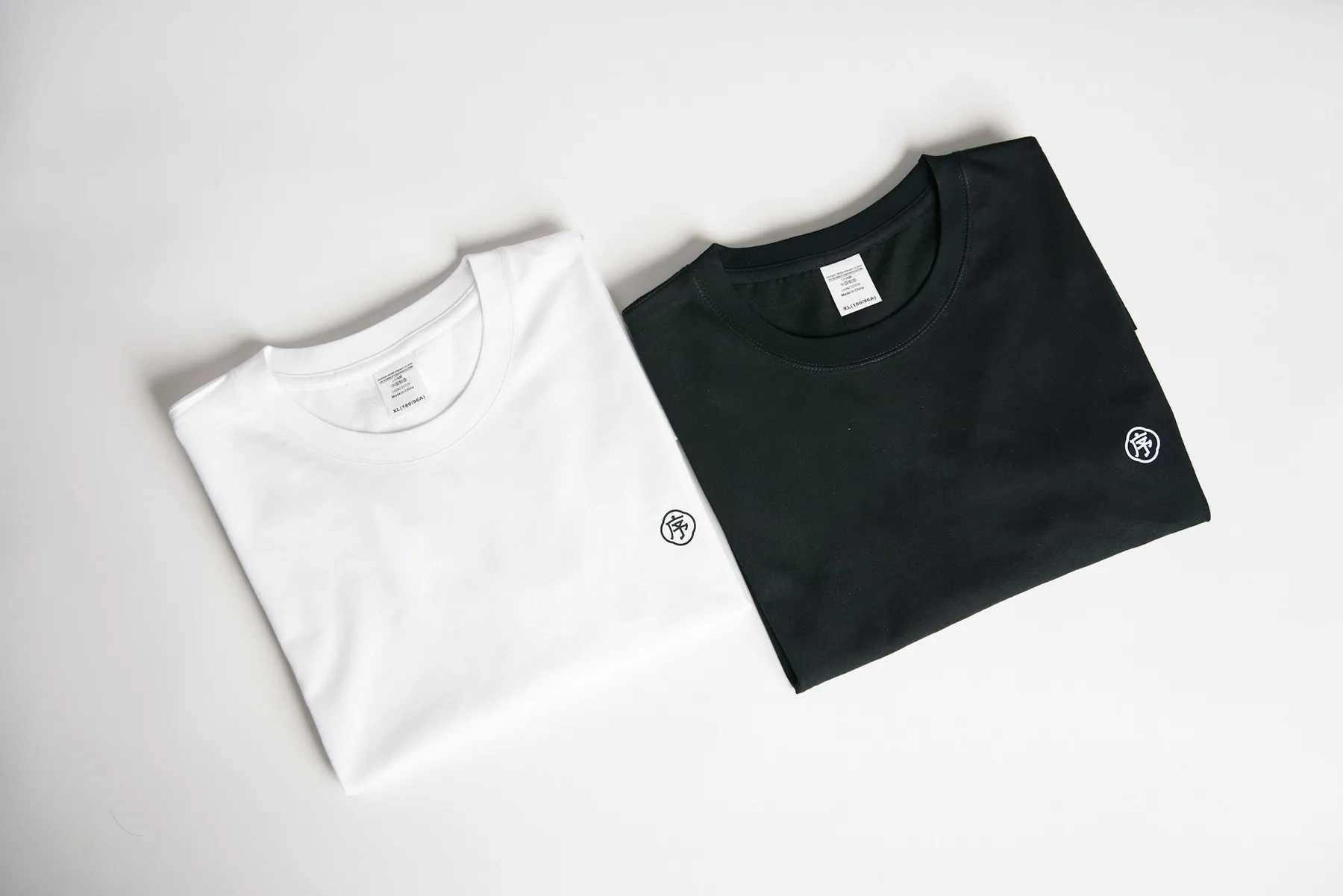
A plain jersey t-shirt from two very different price points can come off similar machinery. A compression short cannot.
The component breakdown
| Component | Price tracks quality | Why |
|---|---|---|
| Seam construction | Strongly | Flatlock and bonding need different machinery |
| Elastane content and quality | Strongly | Recovery differs measurably |
| Waistband construction | Strongly | Layers, width and internal cord cost money |
| Fabric weight and finish | Partly | Heavier knits cost more, but heavier is not better |
| Cut and pattern | Partly | Grading across sizes is genuine work |
| Plain jersey fabric | Barely | Commodity, widely available |
| Printing | Barely | Method matters; price does not predict it |
A seam is a machine decision; a jersey tee is a commodityPay for what is engineered. Do not pay for what is only sewn.
What a cheap garment usually gets wrong
Budget kit rarely fails at the fabric. It fails at the joins and the elastic, which is where the cost is.
- Overlocked seams where flatlock was needed — chafing.
- Thin single-layer waistbands that roll and lose grip quickly.
- Low or poor-quality elastane, so recovery goes within months.
- Single-needle hems that unravel after a few washes.
- Inconsistent grading, so a medium is not a medium across the range.
Those failure points are all visible before you buy. Turn a garment inside out; the inside tells you far more than the price ticket does.
What an expensive garment often does not buy
There is a real ceiling. Past a certain point additional money buys marketing, retail margin and a name rather than measurable performance.
| Claim | Reality |
|---|---|
| Proprietary fabric name | A brand name for a common construction |
| “Engineered” plain tee | Usually a standard jersey |
| Premium branding on the chest | Costs you, does nothing |
| Extreme fabric lightness | Often less durable, not better |
| Athlete endorsement | Marketing spend, in the price |
What the fabric names on the label actually mean, and which are trademarks rather than specifications, is covered in our performance fabric terms guide.
How to judge quality in the shop
Five checks, none of which require knowing the brand, all of which take under a minute.
- Turn it inside out and feel the inner-thigh and underarm seams.
- Stretch the waistband and let go. Poor recovery now is worse later.
- Hold it to the light — sheer dry means sheerer wet.
- Read the fibre content, not the fabric name.
- Check the shoulder seam sits on the shoulder point.
Consumer guidance on how to read claims and compare products generally is published by the FTC, which is a regulator rather than a retailer.
Cost per session beats cost per item
A top worn twice a week for two years is roughly two hundred sessions. That reframes almost every purchase.
| Item | Price | Sessions | Per session |
|---|---|---|---|
| Budget tee, lasts 6 months | Low | ~50 | Higher than it looks |
| Mid tee, lasts 2 years | Moderate | ~200 | Lowest |
| Premium tee, lasts 2 years | High | ~200 | Higher again |
| Anything unworn in a drawer | Any | 0 | Infinite |
The worst value in that table is the last row, and most wardrobes contain several. How many pieces you actually need is covered in our guide to how many gym clothes you need.

Where it is worth paying more
| Item | Why | What you get |
|---|---|---|
| Compression wear | Elastane quality and seam placement | Recovery, no chafing |
| Base layers | Fit and flat seams | Comfort over hours |
| Shorts you wear weekly | Waistband and inner seam | Years rather than months |
| Anything worn on long sessions | Seams matter with duration | No friction injuries |
| Sports bras | Band construction and support | Function, not just fit |
Support construction is covered in our women’s training kit guide, and seam construction generally in our chafing guide.
Where cheap is genuinely fine
A short list, and it covers a surprising amount of a training wardrobe.
- Plain training tees — fibre content and weight are what matter.
- Tanks and vests — less construction to get wrong.
- Socks, provided they are not cotton and fit properly.
- Anything you will wear a handful of times a year.
- Graphic pieces, where the print will date before the fabric fails.
Care changes the maths more than price does
This is the part that undoes everything above. An expensive garment tumble-dried weekly will fail before a cheap one that is air-dried.
Heat destroys elastane, and elastane is what you paid for in almost every premium item on this page. Washing cool and drying flat is worth more than trading up a price bracket — see our gym clothes care guide and our guide to rescuing damaged kit.
Sales, and when a discount is not one
Activewear discounts heavily and often, which changes the calculation more than any quality argument does.
| Situation | Usually means | Worth it |
|---|---|---|
| End of season on a staple | Genuine clearance | Yes |
| Permanent discount on one line | The list price was notional | Judge on the real price |
| Outlet-only version | Made to a lower spec | Check the seams |
| Bundle of three | Volume, not value | Only if you need three |
| Discount on a colourway nobody bought | Genuine clearance | Yes |
The outlet row is the one worth knowing. Some brands manufacture separate lines for outlet channels at a lower specification, so the garment is not the same one discounted — check the seams and the elastane percentage rather than the label.
The other route to a lower price is buying used, which works well for some items and badly for others. Which is which is in our guide to buying second-hand training kit.
None of this is an argument for buying cheap or for buying expensive. It is an argument for knowing which of the two a given garment deserves, which is a decision you can make in about a minute with the garment in your hands.
The short version
- Pay for seams, elastane and waistbands.
- Do not pay for plain jersey or a logo.
- Turn it inside out before you decide anything.
- Think in cost per session, not per item.
- Care affects lifespan more than price does.
Frequently asked questions
Are expensive gym clothes worth it?
For some items, clearly. Compression wear, base layers, sports bras and shorts you wear weekly all depend on seam construction, elastane quality and waistband build, and those cost real money to do well. For plain tees, tanks and graphic pieces, price predicts very little.
How can you tell if gym clothes are good quality?
Turn the garment inside out and feel the inner-thigh and underarm seams; flat is good, a raised ridge is not. Stretch the waistband and check it recovers. Hold the fabric to the light, since sheer when dry means sheerer when wet. Then read the fibre content rather than the fabric name.
Why are some gym clothes so expensive?
Partly genuine cost: flatlock and bonded seams need different machinery, better elastane costs more, and multi-layer waistbands take more work. Partly not: marketing, retail margin, endorsement and branding all sit in the price and buy no performance.
Is cheap activewear bad?
Not inherently, and it is fine for plain tees, tanks, socks and anything worn occasionally. Budget kit usually fails at the joins and the elastic rather than the fabric, which means it is a poor choice for compression, base layers and shorts you wear every week.
Does washing affect how long gym clothes last?
More than price does. Heat destroys elastane, which is the component you paid extra for in almost any premium item. An expensive garment tumble-dried weekly will fail before a budget one that is washed cool and air-dried.