Kit Guide
Training Socks: The Cheapest Fix for the Most Common Problem
Socks are the cheapest thing in your kit and the one most likely to end a session early. A blister is the same problem as chafing, one layer further down.
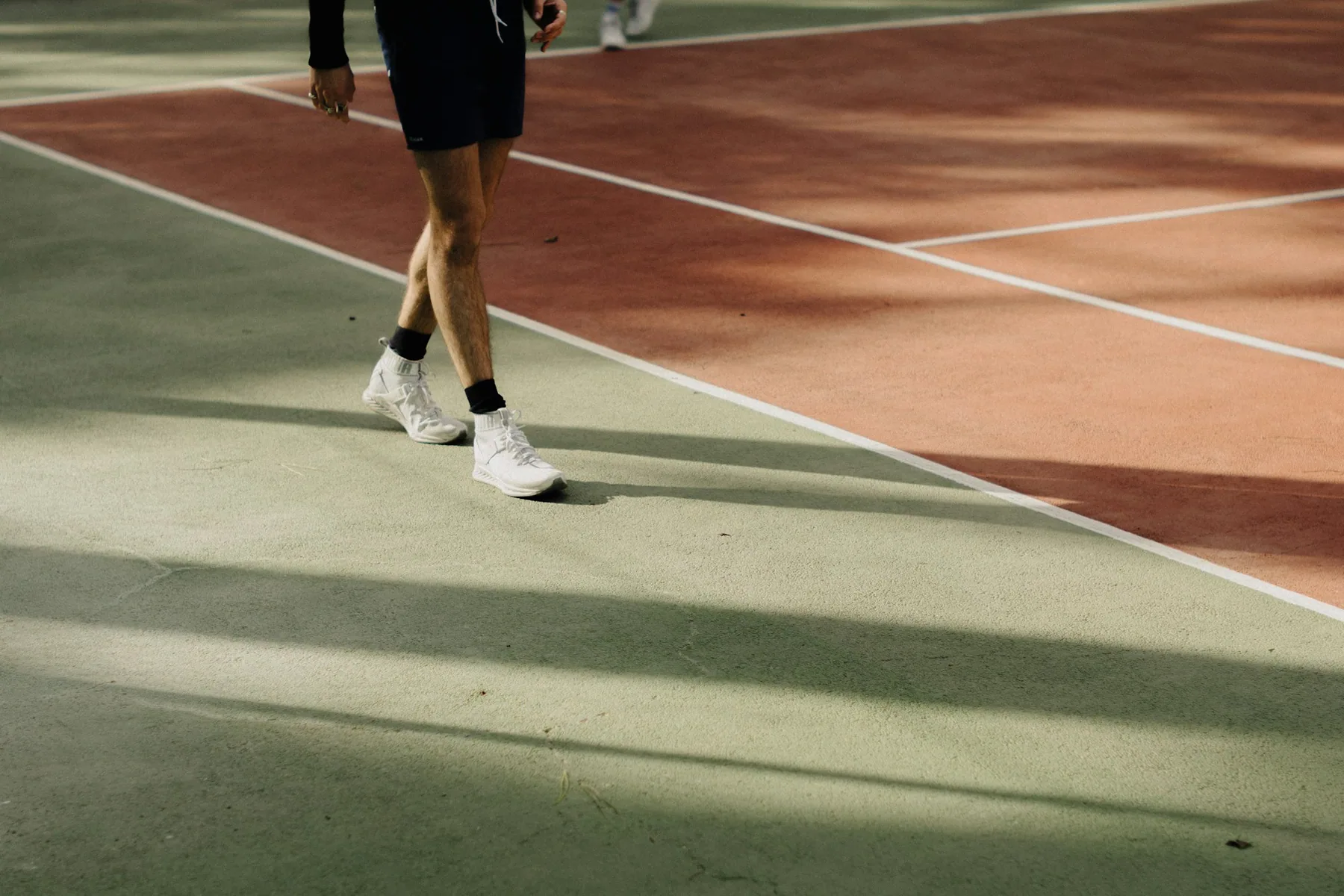
A blister forms when skin layers shear against each other under repeated load. The sock either absorbs that movement or transmits it.
Cotton is the whole problem
A cotton sock absorbs sweat, holds it against the skin, and loses its shape once wet. Softened skin shears at a fraction of the load dry skin tolerates.
| Fibre | Holds moisture | Keeps shape wet | Blister risk |
|---|---|---|---|
| Cotton | Heavily | No | Highest |
| Polyester | No | Yes | Low |
| Nylon blend | No | Yes | Lowest |
| Merino wool | Absorbs, stays warm | Yes | Low |
| Bamboo blend | Moderately | Partly | Moderate |
Merino is the interesting one. It absorbs moisture into the fibre rather than holding it at the surface, so the skin stays comparatively dry even as the sock gets damp.
And the cheapest thing on this list to changeCotton socks are the single most common cause of blisters.
Fit matters more than fibre
A technical sock in the wrong size will still blister you. Excess fabric folds and creates a ridge, and a sock stretched too thin loses its cushioning.
- The heel pocket should sit on your heel, not above or below it.
- No wrinkles anywhere when you stand — smooth it before lacing.
- Toe seam should sit across the toes, not on them.
- Size to the shoe you actually train in, not to your shoe size.
Foot health generally, including when a recurring problem is worth looking at properly, is covered by the American Podiatric Medical Association.
Height is a practical decision
| Height | Covers | Best for | Watch for |
|---|---|---|---|
| No-show | Below the shoe line | Warm weather, style | Slipping down the heel |
| Ankle | Just above the collar | Most gym training | Rubbing on high-top shoes |
| Crew | Mid-calf | Lifting, cold weather | Warmer than you may want |
| Over-calf | Below the knee | Deadlifts, compression | Heat, and hard to size |
Crew socks earn their place in the weights room for one unglamorous reason: they protect the shin from a barbell during deadlifts, which most gyms would rather you did not bleed on.
Cushioning is a trade, not an upgrade
More cushioning means more material between foot and shoe. That absorbs impact and reduces the space your foot has, which changes the fit of the shoe itself.
| Level | Feel | Suits | Cost |
|---|---|---|---|
| Ultralight | Minimal, fast | Racing, hot weather | Least protection |
| Light | Balanced | Most training | — |
| Cushioned | Padded underfoot | Long runs, heavy impact | Warmer, tighter in the shoe |
| Max | Thick throughout | Trail, very long distance | Can change shoe sizing |
If you change cushioning level, re-check the shoe fit. A max-cushion sock in a shoe fitted with a thin one will feel a half-size too small.
Double-layer socks and why they work
A two-layer sock lets the layers move against each other rather than against your skin. It is the same principle as a two-piece short, applied to the foot.
They are bulkier and warmer, and for people who blister reliably on long sessions they solve the problem more consistently than any single-layer sock. The same logic in shorts is covered in our tight and compression shorts guide.
When the sock is not the problem
Worth knowing before you buy more socks. Several blister causes have nothing to do with what you are wearing.
| Symptom | Likely cause | Fix |
|---|---|---|
| Same spot every time | Shoe shape or a seam | Different shoe, not sock |
| Toes only | Shoe too short, or downhill running | Half size up |
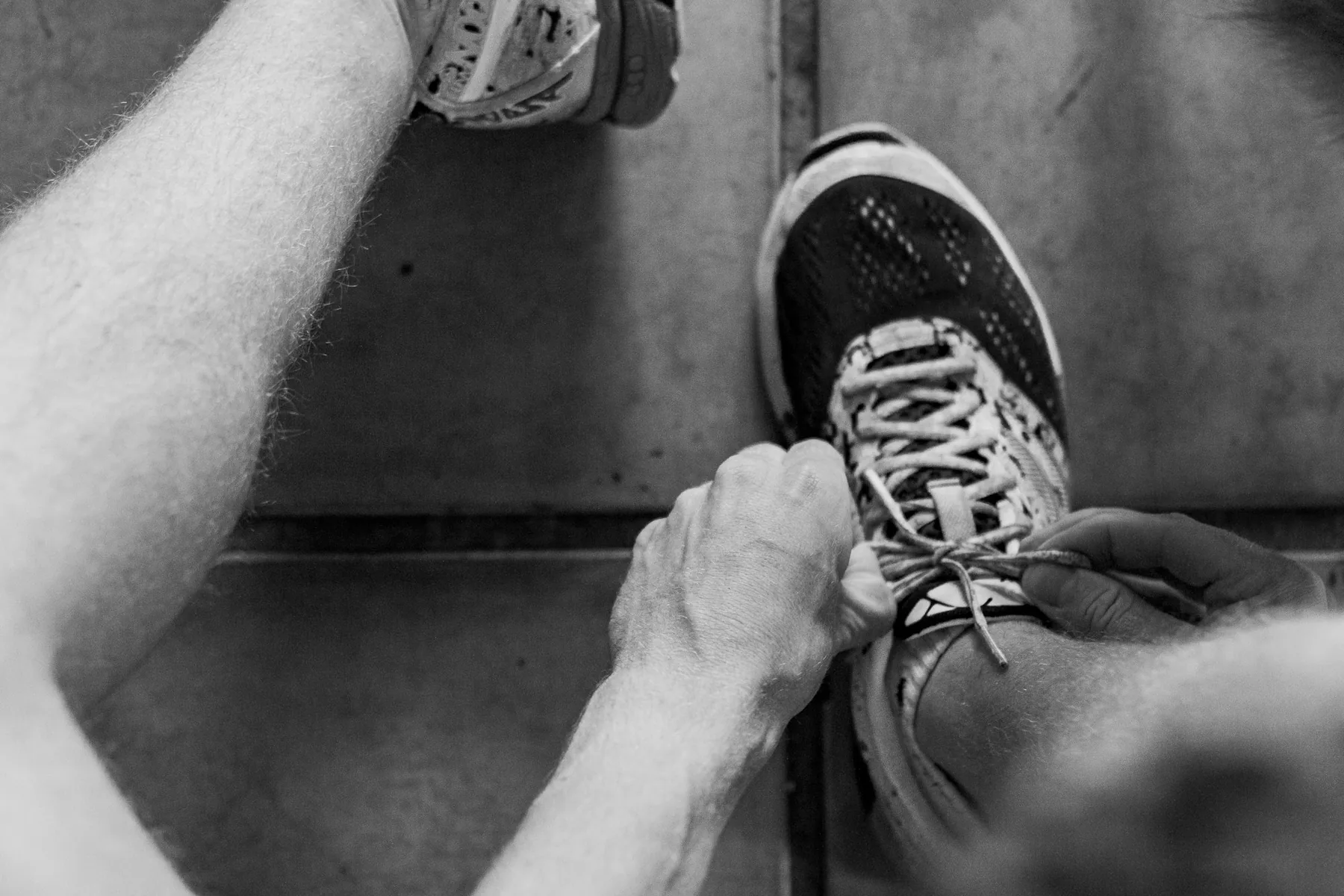
| Heel only | Heel slipping | Lacing technique, heel lock |
| Ball of the foot | Foot sliding forward | Lacing, or insole |
| Both feet, everywhere | Moisture | Sock fibre, and dry feet before |
If it is friction on skin rather than inside the shoe, the same principles apply as everywhere else — see our chafing guide.
Wet weather changes everything
Once socks are wet the fibre choice matters far more, because the foot will be in that state for the rest of the session.
- Never cotton in rain — it will not recover during the run.
- Thinner is better wet; thick socks hold water.
- Change immediately afterwards, before anything else.
- Dry shoes properly, or the next session starts damp.
The rest of the wet-weather picture is in our guide to training in the rain.
Care, and why socks die first
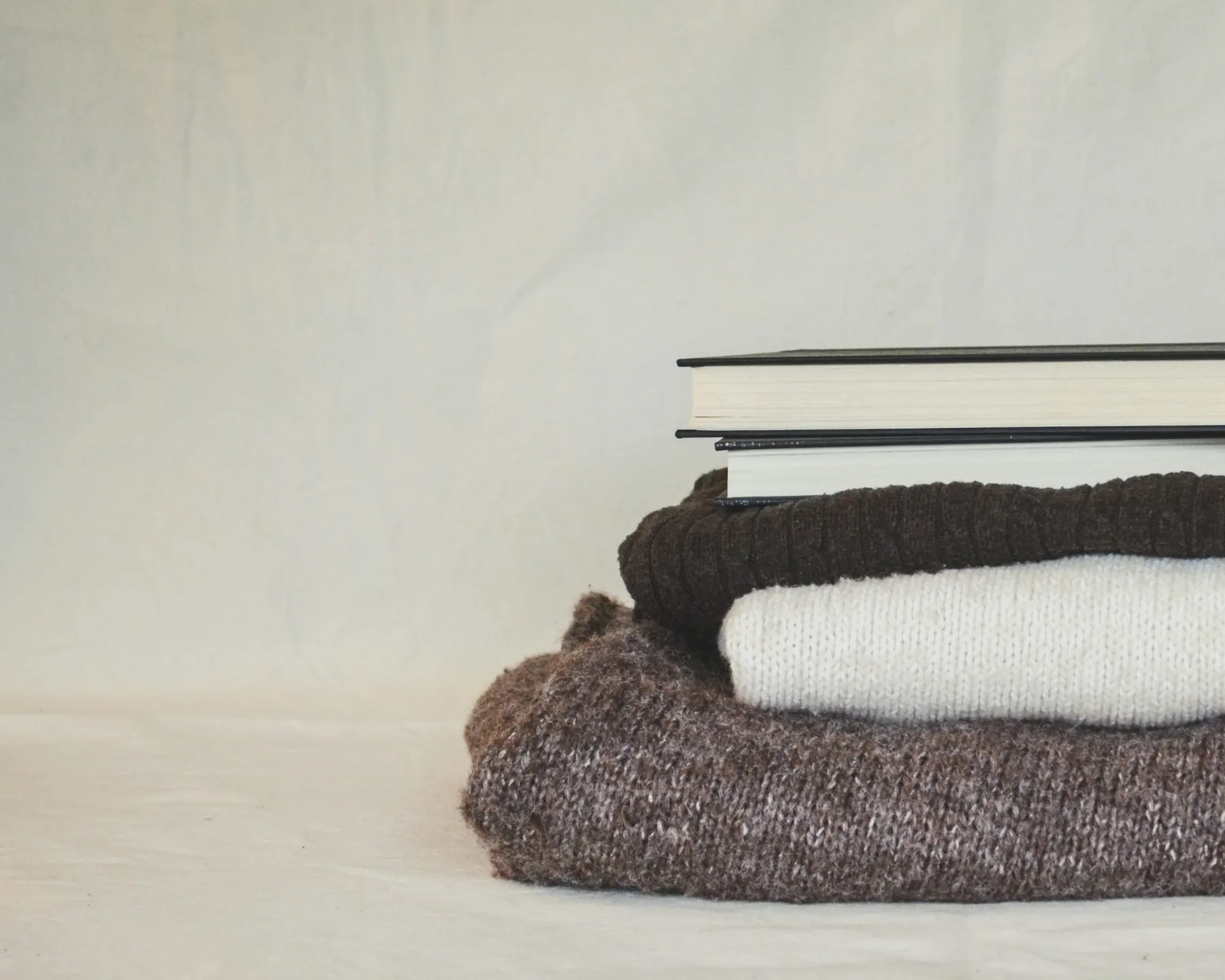
Socks take more abrasion than anything else you own and get washed more often. They are also the item most damaged by heat.
- Wash inside out — the abrasion is on the inside.
- Cool wash; elastic in the cuff is what fails first.
- Never tumble dry if you want the cuff to keep gripping.
- Retire when the heel thins, not when a hole appears.
- Rotate; a pair worn every session lasts a third as long.
The same rules apply across the rest of the wardrobe — see our gym clothes care guide.
Compression socks and calf sleeves
A separate category with a separate purpose, and one where the marketing runs some way ahead of the evidence.
| Claim | How strong is the case | In practice |
|---|---|---|
| Reduces calf muscle oscillation | Reasonable | Noticeable on long runs |
| Reduces perceived soreness after | Mixed but commonly reported | Worth trying |
| Improves performance during | Weak | Do not buy for this |
| Helps on long flights and standing | Strong | Genuinely useful |
| Prevents blisters | None | That is the sock, not the compression |
The same honest summary applies as with compression shorts: the mechanical effects are real and the performance claims are not well supported. Our compression guide covers the evidence in more detail.
The short version
- Stop wearing cotton. That alone fixes most blisters.
- Fit the heel pocket and smooth out wrinkles before lacing.
- Crew height for lifting, ankle for most training.
- Re-check shoe fit if you change cushioning level.
- Same spot every time means the shoe, not the sock.
Frequently asked questions
Why do cotton socks cause blisters?
Cotton absorbs sweat and holds it against the skin rather than moving it away, and it loses its shape once wet. Softened skin shears at a fraction of the load dry skin tolerates, and a sock that has lost its shape wrinkles inside the shoe. Synthetic or merino socks avoid both problems.
What height socks should I wear to the gym?
Ankle height suits most training. Crew socks are worth it in the weights room because they protect the shin during deadlifts, and no-show socks are fine in warm weather provided they do not slip below the heel. Height is a practical decision rather than a style one.
Are expensive running socks worth it?
The fibre and the fit matter; the brand mostly does not. A cheap synthetic sock that fits properly will outperform an expensive one in the wrong size. Where price does buy something real is in seamless toe construction and a properly shaped heel pocket.
Do double-layer socks prevent blisters?
For people who blister reliably on long sessions, yes, and more consistently than any single-layer sock. The two layers shear against each other instead of against your skin. The trade-off is that they are bulkier and warmer, which matters in summer.
Why do I get a blister in the same place every time?
That usually points at the shoe rather than the sock. A recurring blister in one spot suggests a seam, a shape mismatch or a lacing problem. Heel blisters in particular are often fixed by a heel-lock lacing technique rather than by buying different socks.