Layering Guide
Sleeveless Workout Hoodies: When to Wear One and How to Size It
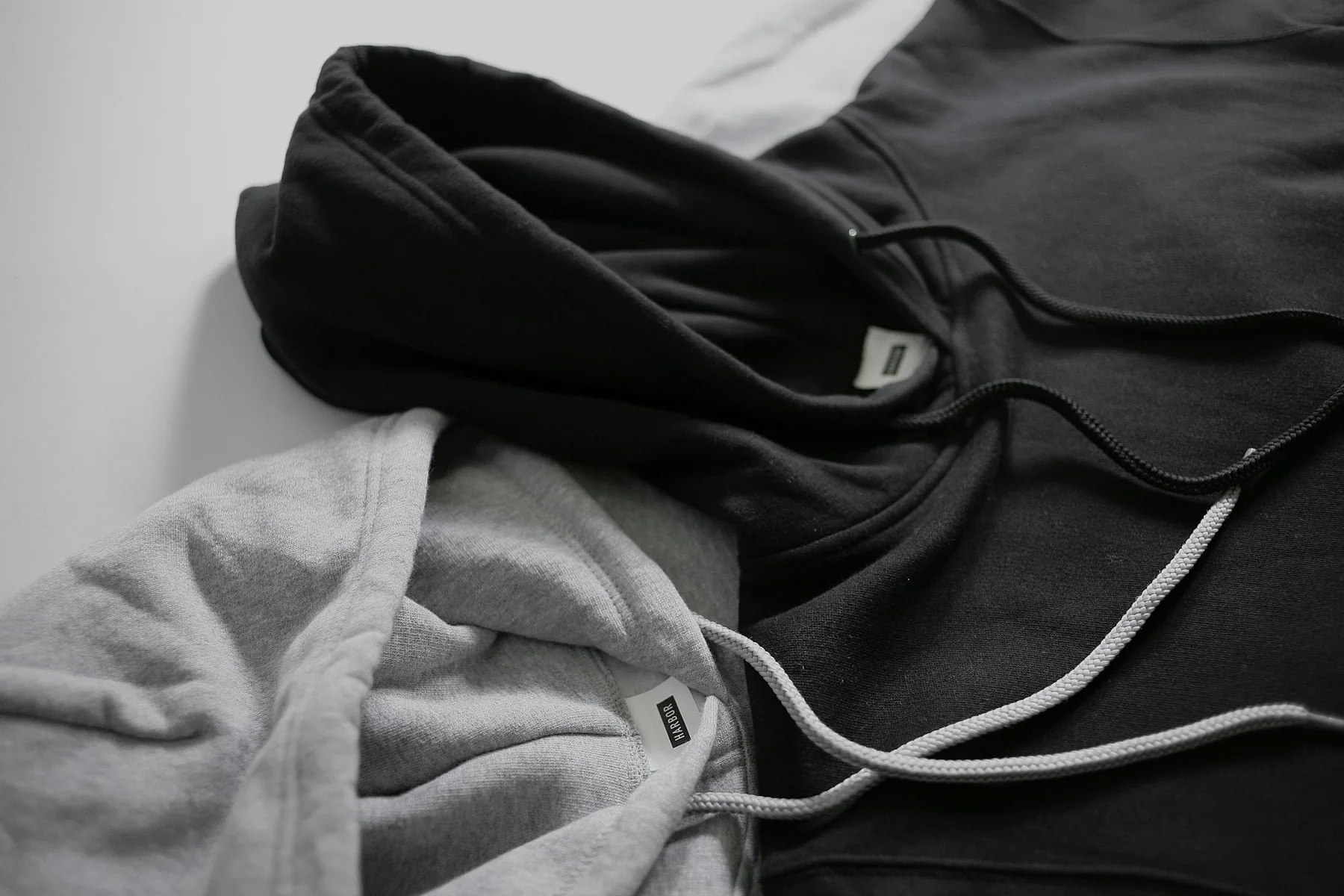
A hood with no sleeves looks like a contradiction until you understand where your body actually loses heat. Then it becomes one of the more sensible things in a gym bag.
This guide covers when a sleeveless hoodie earns its place, how it should fit, what the hood does under a barbell, and how to size one when you plan to layer.

Why a hood but no sleeves is not absurd
Your torso and head are where you retain and shed the most heat during exercise. Your arms are comparatively easy to keep warm through movement alone.
A sleeveless hoodie keeps the core and neck insulated while leaving the shoulder joint completely unobstructed. That is the exact opposite of a normal hoodie, which warms the arms and restricts the shoulder.
Exercise raises core temperature quickly, and guidance from the American College of Sports Medicine on training in heat and cold is a useful non-commercial reference on managing that. A garment you can keep on through warm-up and working sets without overheating is genuinely useful.
Where it earns its place
- Warm-ups in a cold gym — keeps the core warm while you press and pull freely.
- Arm and shoulder days — no sleeve to bind at the deltoid.
- Between sets — hood up, minimal distraction, no arm bulk.
- Outdoor training in mild weather — wind protection at the core without overheating.
- Walking to and from the gym — a layer that does not need removing to train.
Where it does not
It is not a cold-weather garment. Below roughly 10°C your arms will be cold before your core is warm. It is also poor for running, where a loose hood flaps constantly.
Sleeveless hoodie vs the alternatives
| Sleeveless hoodie | Full hoodie | Stringer | Tank top | |
|---|---|---|---|---|
| Core warmth | Good | Excellent | None | Minimal |
| Shoulder freedom | Excellent | Restricted | Excellent | Very good |
| Hood | Yes | Yes | No | No |
| Overheating risk | Low | High | None | None |
| Best temperature | 10–18°C | Below 10°C | Above 22°C | Above 18°C |
| Best use | Warm-ups, upper body days | Cold gyms, rest days | Hot gyms, arm days | General training |
That trade-off is the entire design briefA hood is useful. Sleeves, during pressing, are not.
In practice most lifters end up owning a sleeveless hoodie and a stringer rather than choosing between them. Our stringers versus tank tops guide covers the layer underneath.
How it should fit
The armhole does most of the work. Too shallow and it defeats the purpose; too deep and the whole side of your torso is exposed and the garment gapes when you hinge.
| Area | What you want | Warning sign |
|---|---|---|
| Armhole | Clears the deltoid, ends near the lower rib | Gapes open past the ribs when hinging |
| Shoulder seam | Sits on the shoulder point | Dropped seam adds bulk under a bar |
| Body | Skims the torso, no cling | Pulls across the chest when arms come forward |
| Length | Covers the waistband with arms overhead | Rides up during pressing |
| Hood | Sits flat when down | Bunches at the neck under a back squat |
| Hem | Light elastic or a clean straight hem | Tight band that rides up |
The hood under a barbell
This is the detail nobody covers. A thick, heavily gathered hood sits directly where the bar rests for a back squat, and it will move under load.
If you squat in your layers, choose a flatter, lighter hood, or drop the hood forward before you unrack. It is a small thing that becomes obvious at the wrong moment.
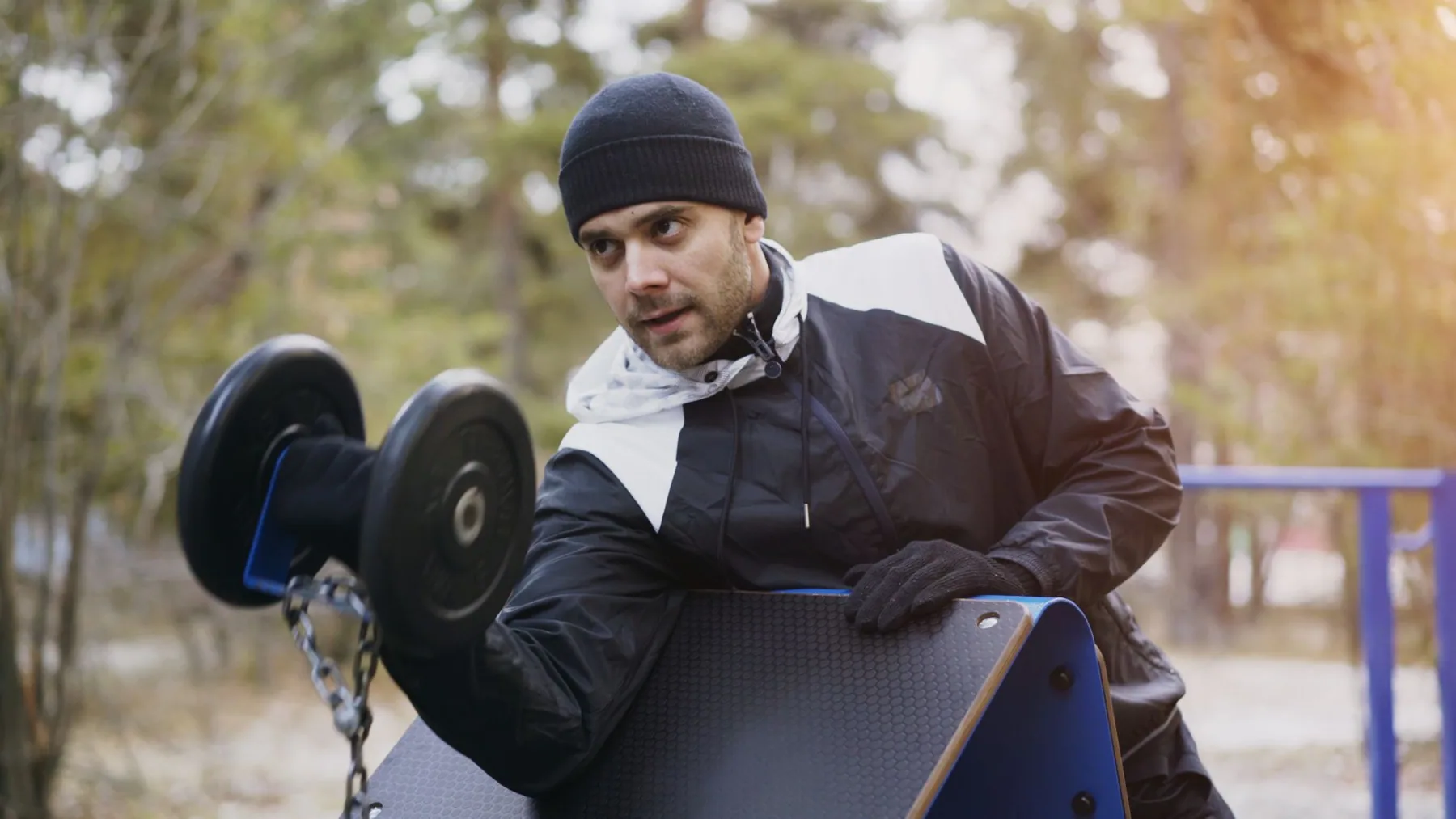
Sizing a men’s workout sleeveless hoodie over a base layer
- Size on your chest measurement, as with any fitted upper body garment.
- If you will always wear a tee underneath, go one size up — but only one.
- Check the armhole against your own frame, not the size label; armhole depth varies enormously between brands.
- Raise both arms overhead and confirm the hem still covers your waistband.
- If you are between sizes and want it fitted, size down. Sleeveless hoodies read as sloppy when oversized in a way that a full hoodie does not.
The MuscleDog workout sleeveless hoodie and the graphic sleeveless hoodie both use a mid-depth armhole cut to clear the deltoid without exposing the whole ribcage, and sit alongside the rest of the men’s training range.
Fabric and weight
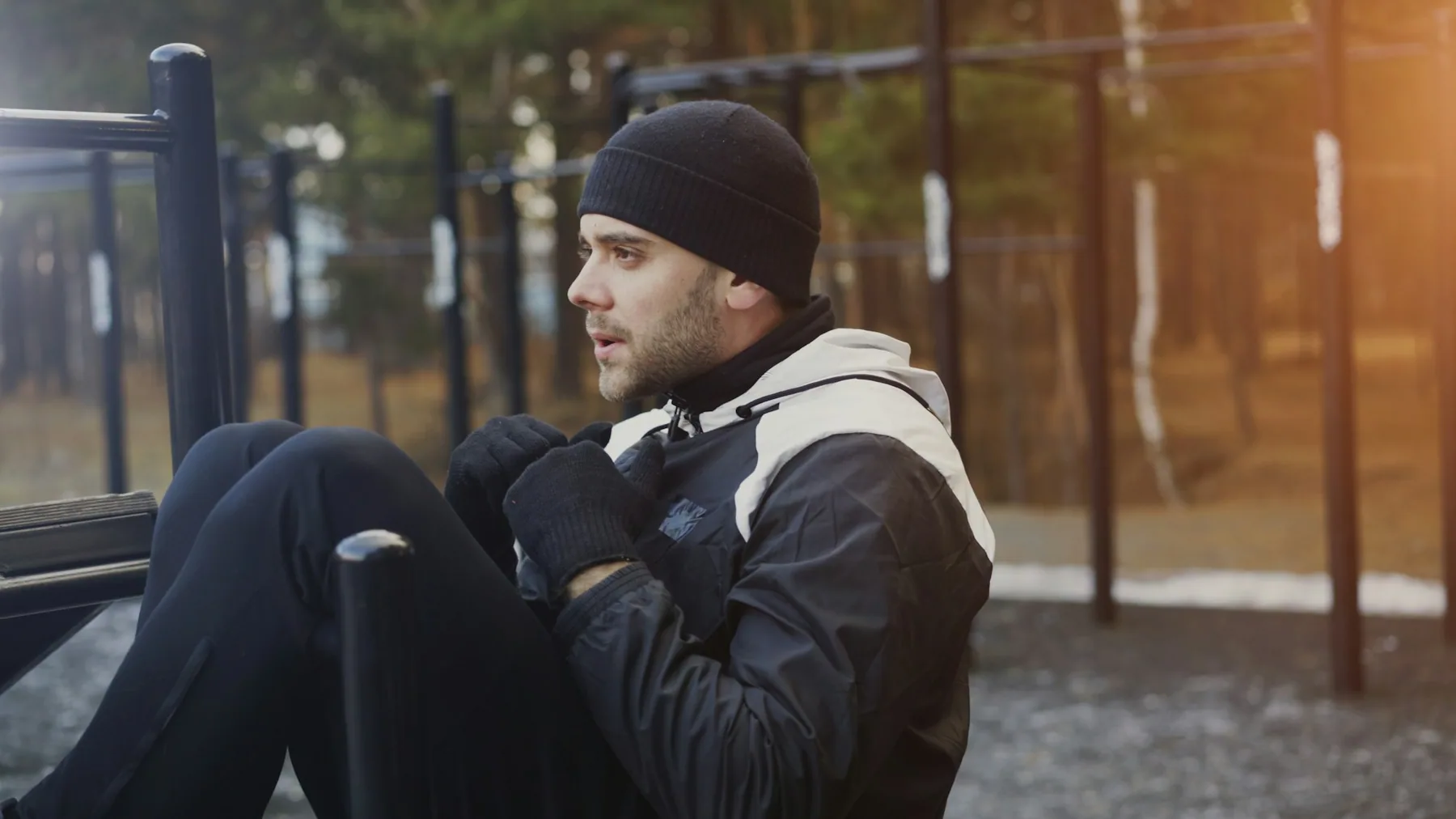
Weight matters more here than in a t-shirt, because the whole point is retaining warmth at the core.
| Weight | Fabric | Feels | Best for |
|---|---|---|---|
| Light (180–220 gsm) | Cotton jersey | Barely there | Warm gyms, summer |
| Mid (250–300 gsm) | Cotton/poly fleece-back | Substantial, warm | Most gyms year round |
| Heavy (330 gsm+) | Brushed fleece | Very warm, bulky | Cold gyms, outdoor warm-ups |
Mid-weight is the sensible default. Heavy fleece defeats the purpose — if you need that much insulation you probably need sleeves too.
Wearing one outside the gym
A sleeveless hoodie is a gym-first garment, but it does work casually in warm weather if you treat it as outerwear rather than a t-shirt substitute.
| Setting | Works | Avoid |
|---|---|---|
| Gym and travel to it | Over a tee or stringer, hood down | Nothing — it is built for this |
| Warm casual days | Over a fitted tee with shorts or joggers | Wearing it alone in cool weather |
| Outdoor sport | Layered over a base layer for warm-ups | Long runs — the hood flaps |
| Smart casual | Not the garment for it | Any setting with a dress code |
Worn alone it reads as gym kit, which is fine in the right context. Layered over a plain tee it reads as a considered outfit rather than a workout leftover.
Care
- Wash cold and inside out to protect any print on the back panel.
- Air dry — tumble drying shrinks fleece and warps the hood opening.
- Do not iron over a printed graphic.
- Wash drawcords fully pulled out so they dry evenly.
A sleeveless hoodie is usually worn over something. For what goes underneath, our workout tank top guide covers armhole depth, fabric weight and how a tank behaves under a layer.
A sleeveless hoodie is really a mid layer. Where it sits in a full cold-weather system is covered in our guide to layering for cold training.
Frequently asked questions
What is the point of a sleeveless hoodie?
It insulates the core and neck — where you retain and shed most heat during exercise — while leaving the shoulder joint completely unobstructed. That makes it useful for warm-ups in a cold gym and for upper body days, where a normal hoodie binds at the deltoid and causes overheating.
When should you wear a sleeveless gym hoodie?
Roughly between 10°C and 18°C, for warm-ups, arm and shoulder sessions, between sets, and travelling to the gym. Below about 10°C your arms will get cold before your core is warm, and it is a poor choice for running because a loose hood flaps constantly.
How should a sleeveless hoodie fit?
It should skim the torso without clinging, with the shoulder seam on the shoulder point and an armhole that clears the deltoid but ends around the lower rib. Raise both arms overhead: the hem should still cover your waistband. If the armhole gapes past the ribs when you hinge forward, it is cut too deep.
What size sleeveless hoodie should I get?
Size on your chest measurement. If you will always wear a t-shirt underneath, go one size up — but only one. Armhole depth varies enormously between brands, so check that against your own frame rather than trusting the size label.
Can you squat in a sleeveless hoodie?
Yes, but check the hood first. A thick, heavily gathered hood sits exactly where the bar rests for a back squat and will shift under load. Choose a flatter, lighter hood or push the hood forward before you unrack.