Kit Guide
Buying Second-Hand Training Kit: What to Check
The component that fails in training kit is elastane, and it fails invisibly. That makes used activewear a different proposition from used clothing generally.
A second-hand jumper is easy to judge. A second-hand pair of compression shorts is not, because the thing that wears out does not look worn out.
Why used activewear is a different problem
Most clothing fails visibly: it thins, tears or stains. Training kit fails by losing recovery in the elastane, and a garment with dead elastic can look immaculate in a photograph.
| Feature | Visible in photos | Reliable |
|---|---|---|
| Colour and fading | Yes | Yes |
| Holes and tears | Usually | Reasonably |
| Pilling | Sometimes | Cosmetic anyway |
| Elastane recovery | No | Must be tested |
| Fabric thinning at stress points | Rarely | Must be handled |
| Set-in odour | No | Must be smelled |
Which is why used activewear needs handling, not browsingDead elastic photographs perfectly.
The tests, in order
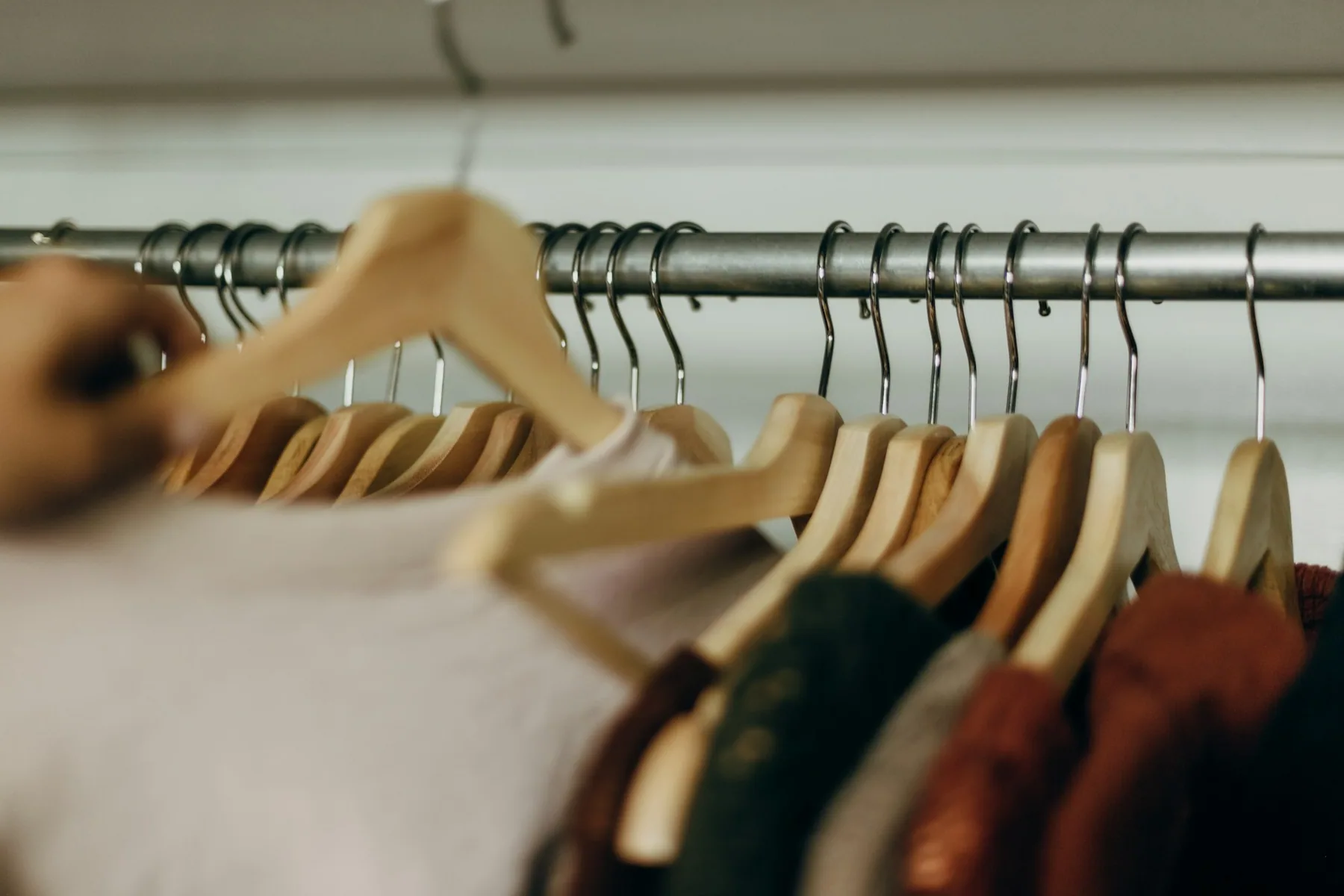
- Stretch the waistband and release. It should snap back fully.
- Stretch the fabric over the seat and hold it to the light.
- Check the cuffs and collar for the same recovery.
- Smell the underarm. Odour that survived washing is permanent.
- Turn it inside out and check the inner-thigh seam.
The first test takes two seconds and rules out most of what is worth avoiding. Why elastane fails, and why it cannot be restored, is in our guide to rescuing damaged kit.
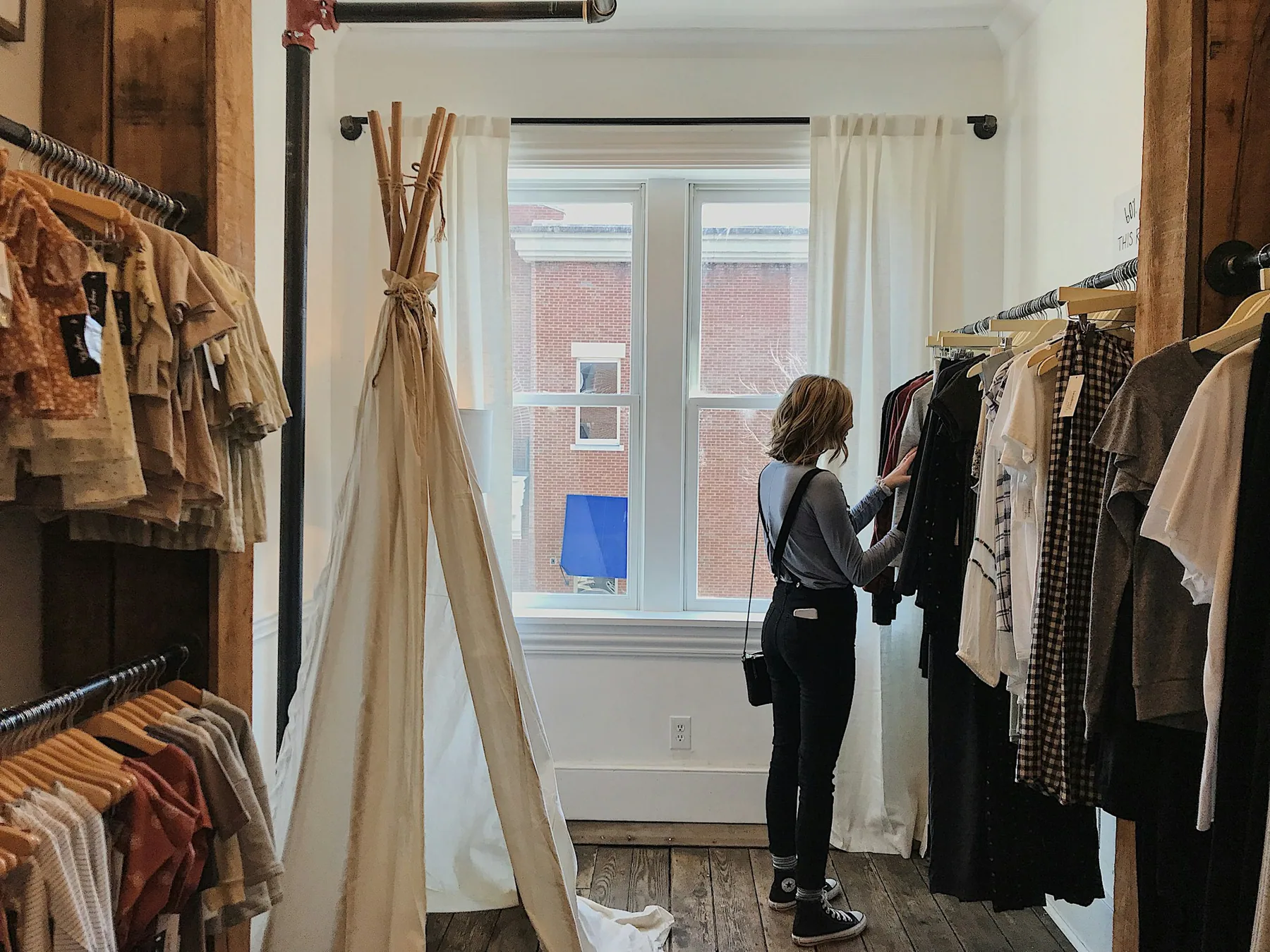
What is worth buying used
| Item | Buy used | Why |
|---|---|---|
| Plain training tees | Yes | Little elastane, easy to judge |
| Tanks and vests | Yes | Simple construction |
| Hoodies and layers | Yes | Not load-bearing |
| Shorts with a drawcord | Usually | Cord absorbs some waistband loss |
| Compression wear | Rarely | Elastane history is the whole product |
| Sports bras | No | Band elastic is the function |
| Socks and underwear | No | Hygiene, and they fail fastest |
The pattern is straightforward: the more a garment depends on elastic to do its job, the less sense it makes to buy with an unknown history.
Reading a listing
Online you cannot handle the garment, so the listing has to do the work. There are specific things worth asking for.
- Ask how many times it was worn, and whether it was tumble dried.
- Ask for a photo of the care label — fibre content and condition.
- Ask for a stretched photo of the waistband or seat.
- Check the seller’s other listings; a clear-out beats a reseller.
- Be wary of ‘worn once’ on anything several seasons old.
Tumble drying is the question that matters most, because it is the single largest cause of elastane failure and most sellers will answer honestly.
Sizing without trying it on
Nominal sizes vary enormously between makers, and a used garment may also have relaxed or shrunk from its original dimensions.
| Garment | Measurement to request | Why |
|---|---|---|
| Top | Pit to pit, laid flat | Halves the chest circumference |
| Top | Shoulder to hem | Body length |
| Shorts | Waist laid flat, unstretched | Comparable across makers |
| Shorts | Inseam | Where the hem sits |
| Anything fitted | Leg or sleeve opening | The usual failure point |
Compare those against a garment you already own rather than against a size chart. How to take your own measurements is in our size guide.
Washing it before you wear it
Non-negotiable, and worth doing properly rather than running it through a normal cycle.
- Soak in cool water with white vinegar for thirty minutes.
- Wash cool, inside out, with an enzyme detergent.
- No fabric softener, which would seal in anything remaining.
- Air dry fully before wearing.
- If odour returns when warm, it will not come out.
The mechanism behind set-in odour, and why it is permanent once established, is in our gym clothes care guide.
Prices, and when used is not cheaper
Some second-hand activewear is priced at close to retail, particularly from brands with strong resale demand. That changes the calculation.
| Situation | Verdict |
|---|---|
| Half retail, good condition, plain item | Yes |
| Near retail, unknown wash history | No — buy new |
| Below retail but compression or bra | No, regardless of price |
| Discontinued piece you specifically want | Judge on the garment, not the saving |
| Bundle of unknown condition | Only if you can inspect |
What price buys in a new garment, and where it stops mattering, is in our guide to what price actually buys.
Selling your own kit on
The same logic in reverse, and being honest about condition is genuinely in your interest as well as the buyer’s.
- State how it was washed — cool and air dried is a selling point.
- Photograph the care label and any wear.
- Give flat measurements rather than the size alone.
- Do not sell dead elastic; it will come back.
- Wash it first, obviously.
The environmental case, honestly
Buying used avoids new production entirely, which is the largest single lever available in clothing. That is a genuine argument rather than a marketing one.
It also keeps a garment out of the waste stream for longer, which matters particularly for activewear because blends are effectively unrecyclable. Guidance on textile waste from a public agency is published by CalRecycle, and the full picture is in our end-of-life guide.
Where to look
| Source | Can inspect | Price | Best for |
|---|---|---|---|
| Charity and thrift shops | Yes | Lowest | Plain tees, hoodies |
| Local marketplace apps | Usually | Low | Bulk, collection in person |
| Resale platforms | No | Moderate | Specific brands and sizes |
| Brand take-back and refurb | No, but graded | Higher | Reliability |
| Clothes swaps | Yes | Free | Trying a cut before buying |
The short version
- Stretch the waistband first. It rules out most bad buys.
- Buy tees, tanks and hoodies used without hesitation.
- Do not buy compression, bras, socks or underwear used.
- Ask whether it was tumble dried. That one answer tells you a lot.
- Wash it properly before wearing, every time.
Frequently asked questions
Is it worth buying second-hand gym clothes?
For plain tees, tanks, hoodies and drawcord shorts, yes — those depend little on elastane and are easy to judge. For compression wear, sports bras, socks and underwear, no, because the component that fails is elastane and its history is invisible in both a photograph and a shop.
How do you check used activewear before buying?
Stretch the waistband and release it; it should snap back fully. Stretch the fabric over the seat and hold it to the light to check for thinning. Smell the underarm, since odour that survived washing is permanent. Then turn it inside out and look at the inner-thigh seam.
What should you ask a seller about used gym clothes?
Whether it was ever tumble dried, which is the single largest cause of elastane failure. Also ask for a photo of the care label, flat measurements rather than the size alone, and a photo of the waistband stretched. Most private sellers answer honestly.
Should you wash second-hand gym clothes before wearing them?
Always, and properly rather than on a normal cycle. Soak in cool water with white vinegar for thirty minutes, then wash cool and inside out with an enzyme detergent and no fabric softener. If odour returns once the garment warms up, it is set into the fibre and will not come out.
Why should you not buy sports bras second-hand?
Because the band elastic is the function of the garment, not a feature of it, and it degrades invisibly. A bra with a failed band can look immaculate and provide almost no support. The same reasoning applies to compression wear, where the elastane is the entire product.