
Care Guide
Sweat Stains and Yellow Marks: What They Are and How to Remove Them
The yellow mark under the arm is not sweat. It is aluminium from antiperspirant bonded to protein in sweat — which is why washing harder never removes it.

Sweat itself is nearly colourless. The staining comes from what it reacts with, and that changes which removal method works.
Why the stain turns yellow
Antiperspirants work with aluminium salts, which plug the sweat duct. Those salts bind to proteins in sweat and to the fabric, and the resulting compound oxidises yellow over time and with heat.
Two consequences follow. Heat sets the stain permanently, so a hot wash or a tumble dry makes it worse rather than better. And scrubbing achieves little, because the compound is bonded rather than sitting on the surface.
| Mark | Cause | Sets with | Removed by |
|---|---|---|---|
| Yellow underarm | Aluminium and sweat protein | Heat | Acid or enzyme, cool |
| White chalky streak | Deodorant on the surface | Nothing | Dry rubbing |
| Stiff grey patch | Salt and body oil | Time | Enzyme detergent |
| Dark patch that will not lift | Old set stain | Repeated heat | Often permanent |
Which is why the dryer is the worst thing you can do to a stained shirtHeat is what makes it permanent.
Removing a yellow stain
Work cool, work slowly, and give whatever you use time to act. Nothing here needs a specialist product.
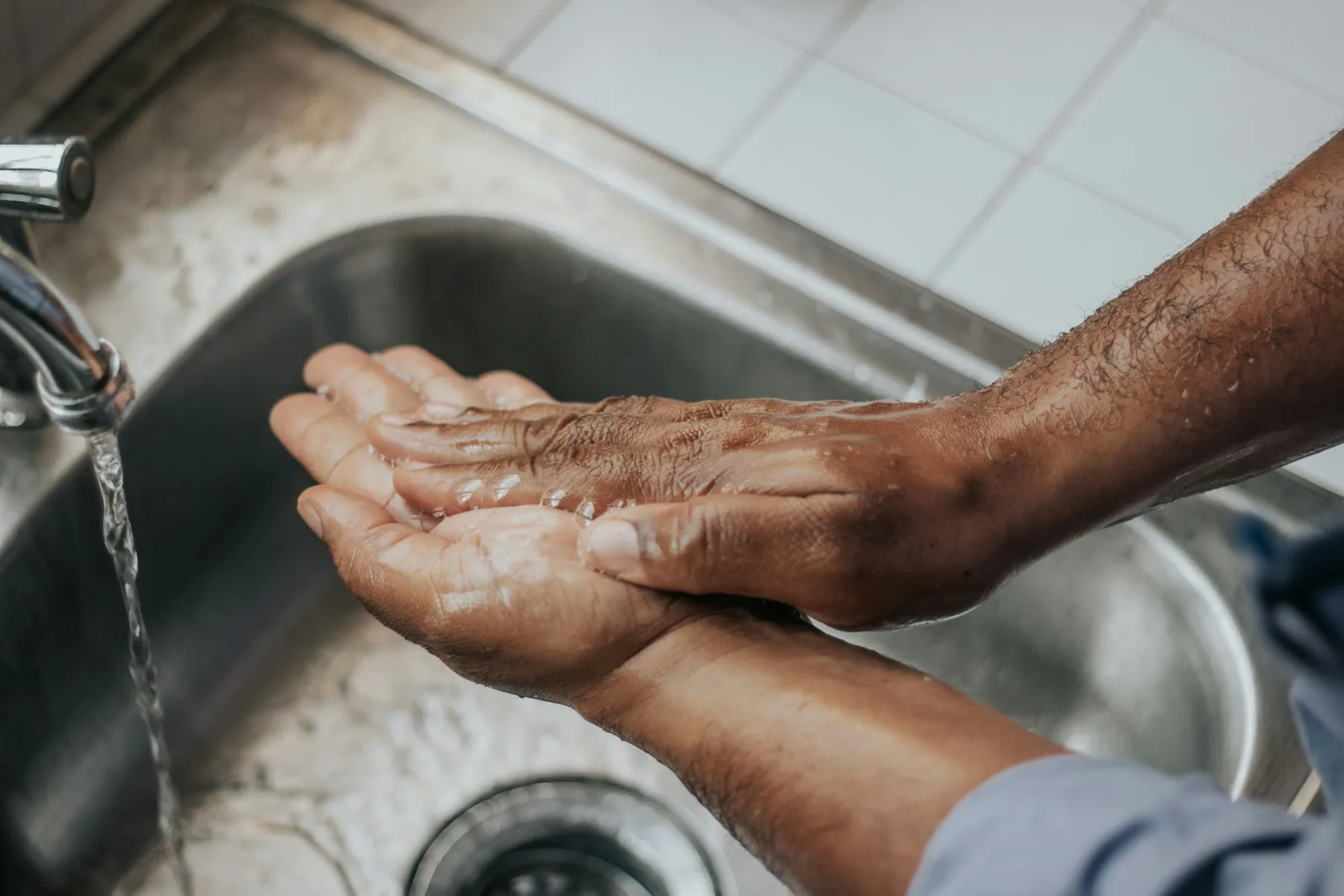
- Soak in cool water with white vinegar, roughly one to four.
- Leave it 30 to 60 minutes. Enzymes and acids need time.
- Make a paste of bicarbonate of soda and water; work it in gently.
- Wash cool, inside out, with an enzyme detergent.
- Air dry and check before it goes anywhere near heat.
Repeat rather than escalate. Two gentle cycles remove more than one aggressive one, and aggressive treatment is what damages the fabric.
What to avoid
Several common remedies do more harm than good, particularly on synthetics.
| Treatment | Why it is a problem | Use instead |
|---|---|---|
| Chlorine bleach | Reacts with protein, yellows further | Oxygen booster |
| Hot wash | Sets the stain permanently | Cool with enzymes |
| Tumble dryer | Same, plus kills elastane | Air dry |
| Hard scrubbing | Abrades the fabric surface | Soak and wait |
| Fabric softener | Seals oils into the fibre | Nothing |
Chlorine bleach is the counter-intuitive one. On a protein-based stain it can deepen the yellow rather than lift it, which is why so many people report a shirt getting worse after bleaching.
Technical fabric behaves differently
Most stain advice assumes cotton. Polyester and elastane blends have different tolerances, and the usual remedies can destroy them.
| Treatment | On cotton | On polyester / elastane |
|---|---|---|
| Hot water | Tolerable | Damages elastane |
| Oxygen bleach | Safe | Usually safe, test first |
| Chlorine bleach | Risky | Never |
| Vinegar soak | Safe | Safe |
| Bicarbonate paste | Safe | Safe, rinse fully |
| Enzyme detergent | Safe | Best option |
Why synthetics hold oils in the first place is explained in our gym clothes care guide, and what the fabric names on the label actually mean is in the performance fabric terms guide.
Preventing it in the first place
Far easier than removal, and mostly about the gap between applying antiperspirant and getting dressed.
- Let it dry fully before the shirt goes on — most transfer happens wet.
- Use less; more product does not mean less sweat.
- Try an aluminium-free deodorant if yellowing is chronic.
- Wash sooner; the reaction continues in the basket.
- Rinse the underarm in cold water if a full wash has to wait.
Advice on laundry and textile care from a non-commercial source is published by NC State Extension, which is a public university service rather than a detergent brand.

White chalky marks are a different problem
These are not stains at all. They sit on the surface of the fabric and come off dry, which is why washing sometimes seems to fix them and sometimes does not.
- Rub the fabric against itself; that lifts most of it.
- A dry sponge or nylon works on the rest.
- Do not wet it first — water spreads it into the weave.
- Dark garments show it worst, so check before leaving.
When a garment is finished
Some stains genuinely will not come out, and it is worth recognising that rather than repeatedly treating a shirt into an early grave.
| Sign | Verdict |
|---|---|
| Yellow lifts partially after two cool soaks | Keep treating |
| No change after three attempts | It is set — stop |
| Fabric has gone stiff and thin at the underarm | Retire it |
| Colour has bleached unevenly | Retire it |
| Smell returns immediately when warm | Strip once, then retire |
What tends to wear out first, and how to keep the rest of the wardrobe going longer, is in our guide to how many gym clothes you need.
Colour and fabric change what you can do
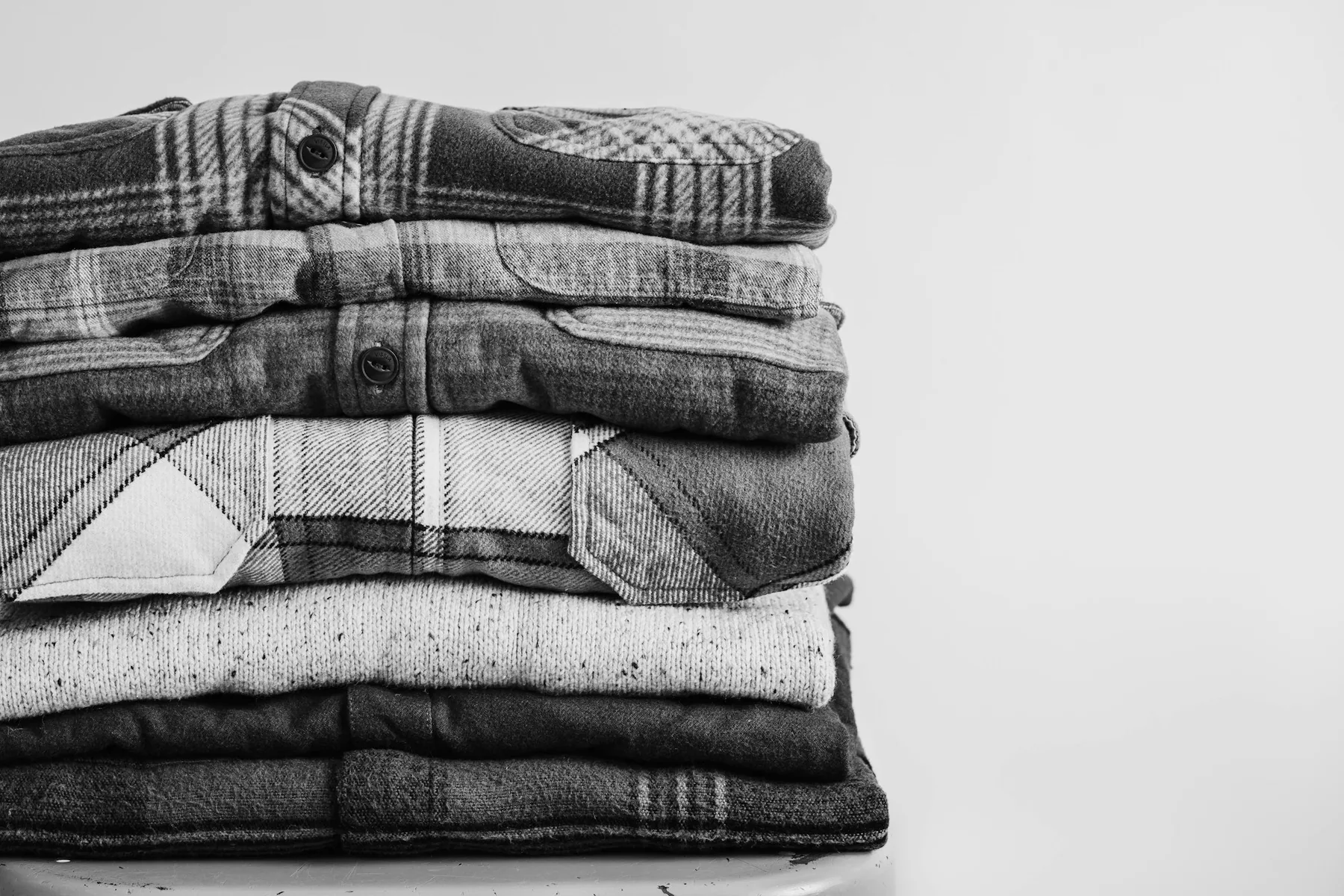
Almost all stain advice assumes a white cotton shirt. Most training kit is neither, and the same treatment behaves differently.
| Garment | Safe approach | Avoid |
|---|---|---|
| White cotton | Anything here, including oxygen bleach | Chlorine on protein stains |
| Coloured cotton | Vinegar, enzyme detergent | Oxygen bleach undiluted |
| White polyester | Vinegar, enzyme, cool | All bleach, hot water |
| Dark synthetics | Enzyme detergent only | Bicarbonate paste — leaves residue |
| Printed garments | Spot treat around the print | Soaking the print itself |
Dark synthetics are the awkward case. Bicarbonate works chemically but leaves a pale residue that is very visible on black, so on those garments an enzyme detergent and patience is the better route.
Colour also decides how visible sweat is in the first place, which is a different problem from staining and is covered in our guide to choosing colours for training kit.
The short version
- The yellow is antiperspirant, not sweat.
- Heat sets it — never hot wash or tumble dry a stained shirt.
- Cool soak, vinegar, bicarbonate, enzyme detergent, repeat.
- Never chlorine bleach on a protein stain or on synthetics.
- Let antiperspirant dry before dressing.
Frequently asked questions
What causes yellow armpit stains?
Aluminium salts from antiperspirant binding with proteins in sweat and with the fabric. The resulting compound oxidises yellow over time and with heat. Sweat on its own is nearly colourless, which is why people using aluminium-free deodorant often do not get the yellowing at all.
How do you remove sweat stains from shirts?
Soak in cool water with white vinegar at roughly one part to four for thirty to sixty minutes, work in a paste of bicarbonate of soda, then wash cool and inside out with an enzyme detergent and air dry. Repeat gently rather than escalating; aggressive treatment damages the fabric faster than it lifts the stain.
Does bleach remove sweat stains?
Usually it makes them worse. Chlorine bleach reacts with the proteins in the stain and can deepen the yellow rather than lift it, and it should never be used on polyester or elastane. An oxygen-based booster is the safer option if you want something stronger than detergent.
Why do my gym shirts go stiff under the arms?
Salt and body oil building up in the fibre rather than a stain as such. Enzyme detergent targets the oil, and washing sooner after a session stops the build-up starting. Once the fabric has gone stiff and thin in that area, the garment is usually past saving.
How do you get white deodorant marks off clothes?
Dry, not wet. Rub the fabric gently against itself, or use a dry sponge or a piece of nylon. Wetting the mark first spreads the product into the weave and makes it harder to shift. These are surface transfer rather than a stain, so they are far easier to remove than yellowing.