Style Guide
Wearing Training Kit Outside the Gym, Without Looking Like You Forgot
The line between athleisure and having-not-changed is narrower than the trend pieces admit. It comes down to cut, condition and how much of the outfit is technical.
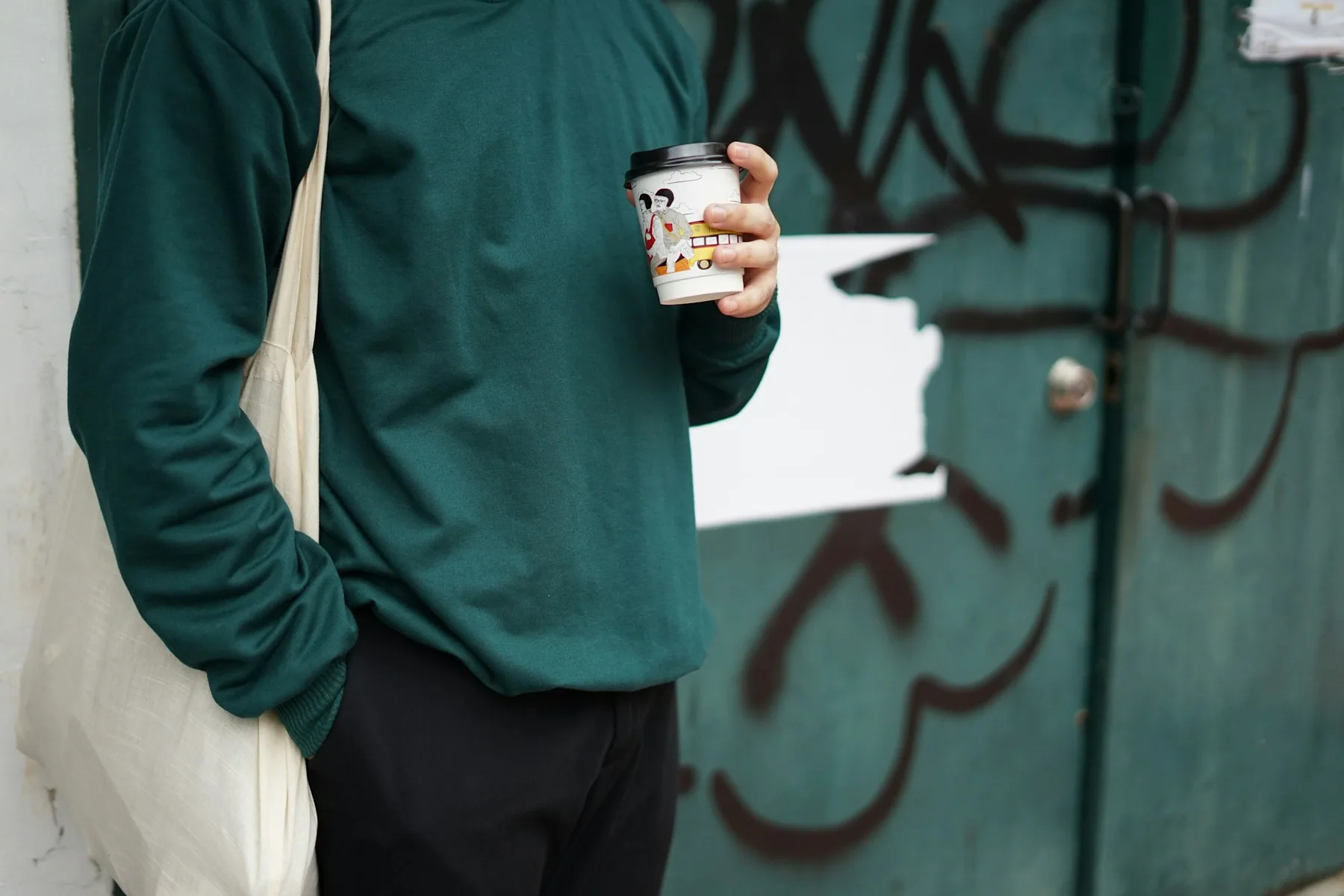
Sportswear leaving the sports context is not new — the Costume Institute at the Met traces the pattern back through a century of dress. What is new is how much of a wardrobe it now occupies.
What travels and what does not
Some training pieces were always ordinary clothes. Others are unmistakably equipment, and no styling fixes that.
| Piece | Works outside | Why |
|---|---|---|
| Plain or graphic tee | Always | It is a t-shirt |
| Full hoodie | Always | Long since ordinary clothing |
| Oversized tee | Yes | Reads as streetwear, not kit |
| Training shorts, 7 inch+ | Usually | Depends on fabric sheen |
| Muscle tank | Sometimes | Context and weather dependent |
| Stringer | Rarely | Unmistakably gym equipment |
| Compression tights alone | Rarely | Reads as mid-session |
| Sleeveless hoodie | Rarely | The cut has no non-gym reference |
Matte fabric passes; a glossy technical finish does notSheen is what gives kit away.
Fabric sheen, not fabric type
People assume the giveaway is the fabric being synthetic. It is not — most ordinary clothing is synthetic too. The giveaway is shine.
A matte poly-cotton short reads as a normal short. The same shape in a glossy performance knit reads as running kit, because nothing else in a normal wardrobe has that finish.
Which fabrics carry which finish is covered in our workout t-shirt fabric guide, and the terminology on the label is decoded in the performance fabric terms guide.
Condition matters more than cut
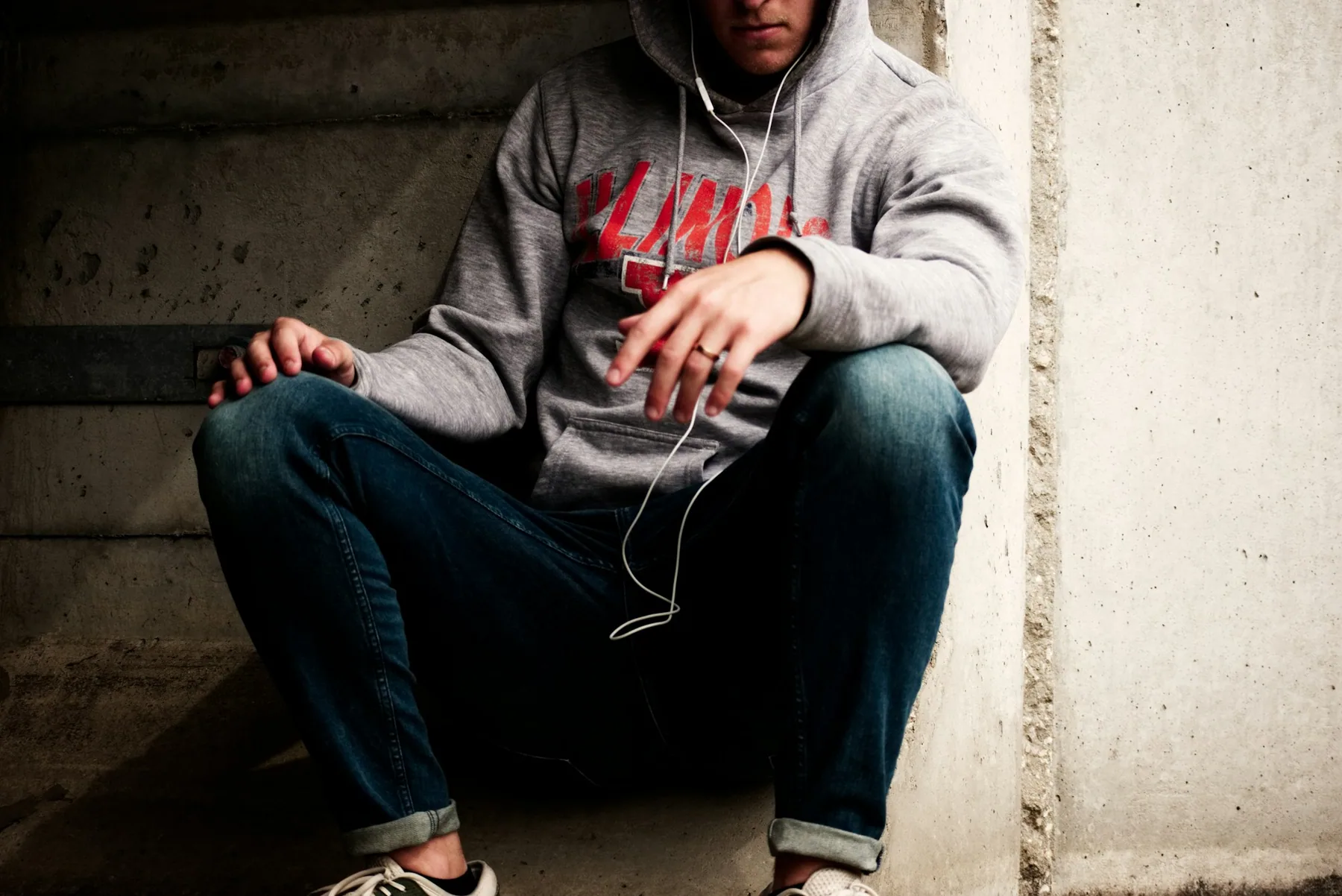
A well-cut shirt that has been through two hundred sessions looks worse in public than a plain one that has not. This is the part styling guides skip.
- Bobbling at the underarm is the first thing people notice.
- A stretched collar ages a shirt more than a stain does.
- Cracked prints read as worn out, not as vintage.
- Faded black going grey-brown is very visible in daylight.
Keeping pieces in that condition is mostly a washing question, and the routine is in our gym clothes care guide.
Graphics decide more than anything else
A large chest or back graphic moves a garment out of the training category and into streetwear, whether or not the fabric is technical.
| Graphic | Reads as | Wear it |
|---|---|---|
| None | Basic | Anywhere, under anything |
| Small chest mark | Sports brand | Casual, gym |
| Large front print | Streetwear | Casual, going out |
| Full back print | Statement piece | As the focus of the outfit |
| All-over print | Fashion piece | Rarely to train in |
This is the logic behind the custom design collection, which leans oversized precisely because a large graphic needs the canvas.
Building an outfit that works
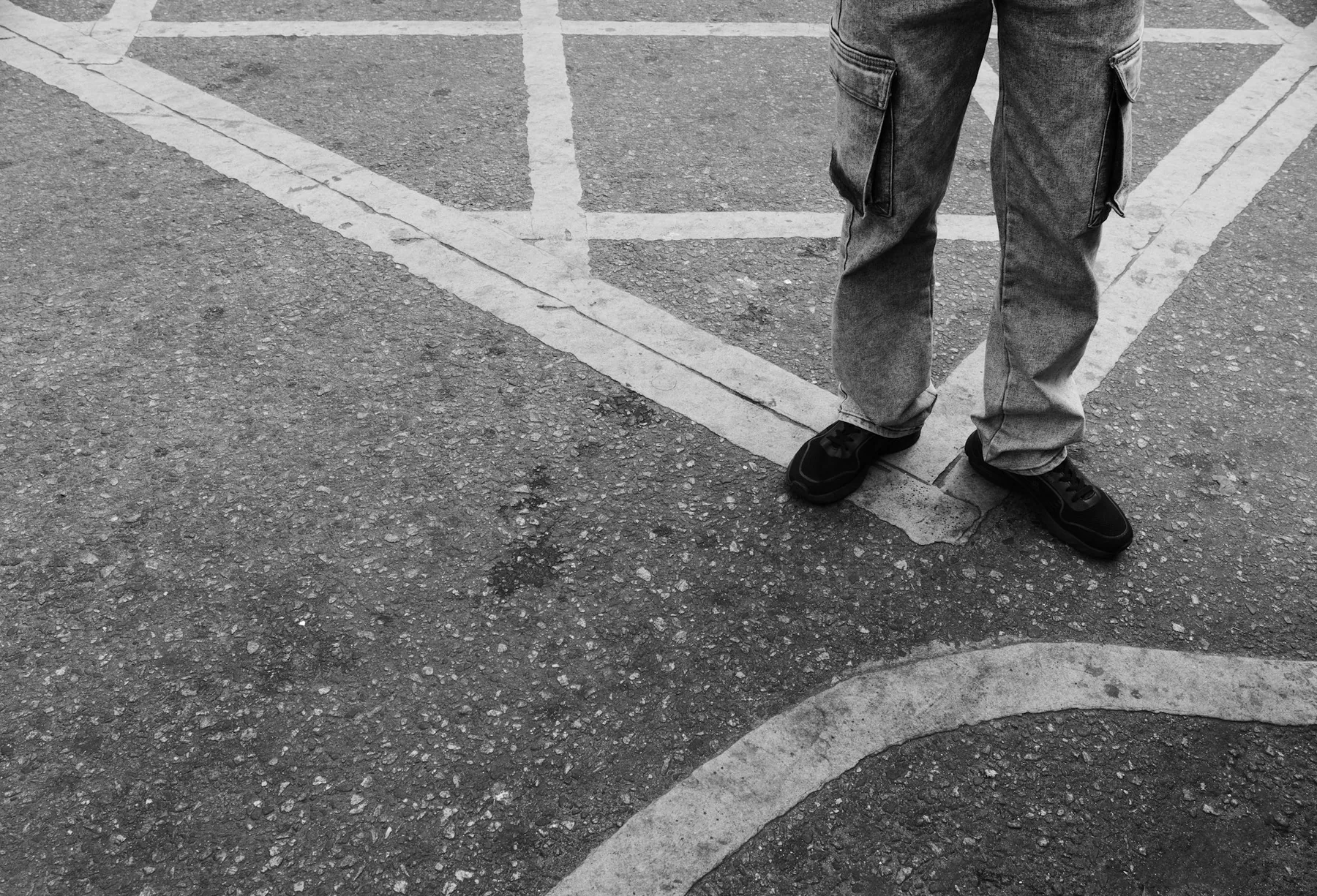
The reliable formula is one technical piece, one ordinary piece and footwear that is not obviously performance.
| Technical piece | Pair with | Avoid |
|---|---|---|
| Graphic training tee | Denim or chinos | Track pants |
| Full hoodie | Jeans, casual trainers | Compression tights |
| Training shorts | Plain tee, canvas shoes | Running vest |
| Long-sleeve training top | Overshirt or jacket | Full tracksuit |
| Oversized tee | Tapered trousers | Oversized bottoms too |

Going straight from the gym
Different problem. The clothes are fine; the issue is that you have sweated in them, and everything about how they now sit gives that away.
- Change the top at minimum — it holds most of the sweat.
- Add a layer; it covers a damp shirt and reads as intentional.
- Swap training shoes for something casual if you can.
- Keep a dry top in the bag through the whole year, not just winter.
- Do not re-wear the same top for the evening.
What to keep permanently in the bag for exactly this is covered in our gym bag essentials guide.
Colour is what makes it work with a wardrobe
Training kit is sold in colours that exist to stand out on a gym floor or a start line. Those same colours are what make an outfit read as sportswear.
| Palette | Reads as | Pairs with |
|---|---|---|
| Black, charcoal, bone | Ordinary clothing | Almost anything |
| Navy, olive, grey | Ordinary clothing | Denim, chinos, boots |
| Brand red or single accent | Deliberate, sporty | Neutral everything else |
| High-visibility or neon | Running kit | Very little |
| Full colour-blocked panels | Team kit | Nothing outside the gym |
A single accent colour against neutrals reads as a decision. Two competing brights read as whatever was clean. This is why a graphic in one or two colours on a black base travels further than the same design across a colour-blocked garment.
It is also why the MuscleDog range sits mostly in black, white and a single red — the pieces are designed to be worn outside the gym as well as in it.
Colour does more than that inside the gym, where it decides how visible sweat is and how a garment ages. Our guide to choosing colours for training kit covers the practical side.
Fit does the rest
Everything above is about the garment. The last variable is how it sits, and it is the one people get wrong most often when moving kit out of the gym.
Training cuts are built to move. Outside the gym that same generosity can read as a shirt that does not fit, particularly through the shoulder and the sleeve.
| Feature | In the gym | Outside |
|---|---|---|
| Shoulder seam | Can sit slightly wide | Should sit on the shoulder point |
| Sleeve | Loose is fine | Should follow the arm |
| Body length | Long is useful | Long reads as sloppy |
| Armhole | Deep is functional | Deep reads as a vest |
None of this requires buying differently. It mostly requires noticing which pieces you already own do double duty, and retiring the ones that only ever looked right under gym lighting.
The short version
- One technical piece per outfit, not three.
- Judge fabric by sheen, not by fibre.
- Condition matters more than cut in daylight.
- A large graphic makes a garment streetwear.
- Coming from the gym, change the top at minimum.
Frequently asked questions
Can you wear gym clothes as everyday clothes?
Some of them. A t-shirt, a hoodie or an oversized graphic top are ordinary clothing already. Stringers, compression tights worn alone and sleeveless hoodies have no non-gym reference point, so they read as equipment regardless of how they are styled.
What makes gym clothes look like gym clothes?
Sheen more than anything. Most everyday clothing is synthetic too, so the fibre is not the giveaway. A glossy performance finish is, because nothing else in an ordinary wardrobe has it. After that it is condition: bobbling, stretched collars and cracked prints are very visible in daylight.
How many athletic pieces can you wear at once?
One reads as a deliberate choice. Two starts to read as gym kit. Three reads as not having changed. The reliable formula is one technical piece, one ordinary piece, and footwear that is not obviously performance.
Can you wear training shorts casually?
Usually, at 7 inch or longer and in a matte fabric. The things that give shorts away are a glossy technical finish, a very short inseam, and visible branding down the leg. Paired with a plain tee and canvas shoes they read as ordinary summer clothing.
What should you do if you are going out straight after the gym?
Change the top at minimum, since it carries most of the sweat, and add a layer over it. Swapping training shoes for something casual makes more difference than most people expect. Keeping a dry top in the bag year-round, rather than only in winter, solves this permanently.