Fabric Guide
How to Choose a Workout T-Shirt: Fabric, Weight and Sweat
Every guide tells you polyester beats cotton. None of them mention that polyester is also the reason your gym drawer smells. The real answer depends on how long you train and how much you sweat.
Three things decide whether a t-shirt works in a gym: what the fibre does with moisture, how heavy the knit is, and how the fabric behaves after twenty washes.
What each fibre actually does with sweat
Cotton absorbs moisture into the fibre. Polyester repels it and moves it along the surface. That single difference drives everything else.
| Fibre | Moisture | Dry time | Odour | Shape retention | Best for |
|---|---|---|---|---|---|
| Cotton | Absorbs and holds | Slow | Low | Poor once wet | Rest days, light sessions |
| Polyester | Wicks to the surface | Fast | High | Excellent | Sweaty training |
| Poly / cotton blend | Moderate wicking | Moderate | Moderate | Good | Everyday gym wear |
| Cotton / elastane | Absorbs, stretches | Slow | Low | Good | Fitted casual tees |
| Merino wool | Absorbs, stays warm | Slow | Very low | Good | Cold training, multi-day wear |
Test methods for wicking and colourfastness are standardised rather than invented per brand — AATCC publishes the ones most manufacturers cite, which is useful context when a label claims “moisture-wicking” without saying more.
The same surface chemistry causes bothPolyester wicks best and smells worst.
Why synthetic shirts hold odour
Polyester fibres are hydrophobic and oil-loving. Skin oils lodge in the fibre surface, bacteria feed on them, and the by-products are what you smell.
Water-based washing struggles to shift oil, so a normal cycle can leave the food source behind. The shirt smells clean in the drawer and turns the moment you warm up.

What actually helps
- Wash inside out — the oils are on the inner face.
- Use an enzyme detergent with lipase, which targets oil.
- Do not use fabric softener; it coats the fibre and traps oils.
- Wash sooner — a damp shirt in a bag multiplies the problem.
The full routine, including what to do with a shirt that already smells, is in our guide to washing gym clothes.
Fabric weight is the number nobody prints
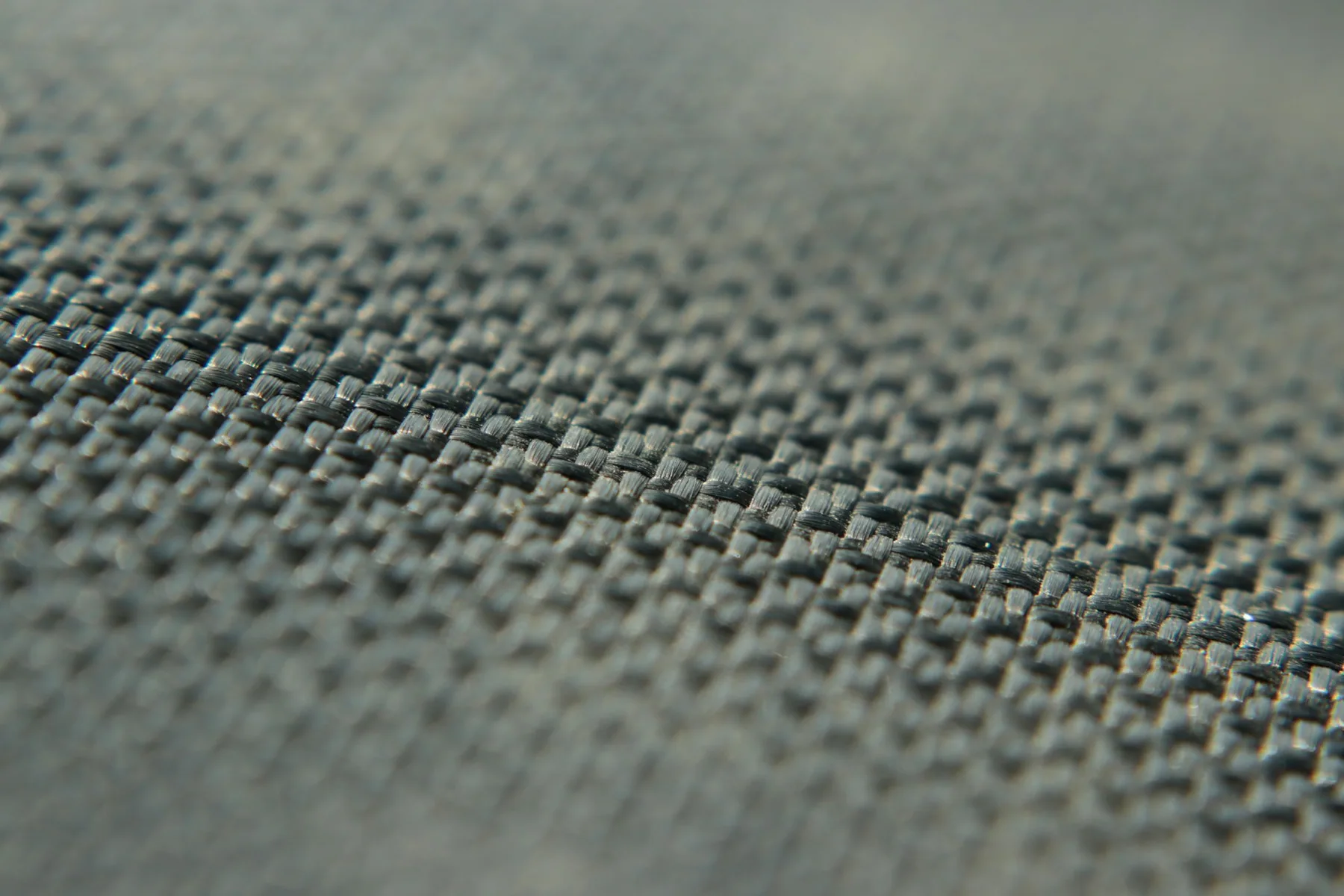
Weight is given in grams per square metre. It tells you more about how a shirt will feel and last than the fibre name does, and it is rarely on the label.
| Weight | Feel | Opacity | Durability | Suits |
|---|---|---|---|---|
| Under 140 gsm | Very light, almost sheer | Poor in pale colours | Low | Hot-weather running |
| 140–170 gsm | Light, drapes | Adequate in dark colours | Moderate | Conditioning, summer |
| 170–200 gsm | Substantial, holds shape | Good | High | Most training |
| Over 200 gsm | Heavy, structured | Excellent | Very high | Cold gyms, layering |
Fit, but only the parts that affect training
A training shirt does not need to be tight. It needs to stay where you put it through four movements: overhead, across the body, hinged, and braced.
- Shoulder seam on the shoulder point, not down the arm.
- Sleeve that clears the bicep without gripping it.
- Body length that still covers the waistband when you reach up.
- Back panel wide enough that rowing does not pull it taut.
The collar is the part that dates a shirt fastest. A single-layer neckband stretches out and never recovers, which is why an otherwise sound shirt starts looking tired at the neck long before the body wears.
Look for a ribbed neckband with a taped seam across the back of the neck. The tape stops the shoulder seam stretching sideways every time you pull the shirt over your head, which is when most of the damage happens.
If you are choosing between a muscle fit and a regular cut for a broad-shouldered build, our comparison of muscle shirts and regular tees covers chest-to-waist drop in detail.

Prints change how a shirt breathes
A large screen print is a sheet of plastic bonded to the fabric. It does not breathe and it does not stretch as far as the cloth under it.
| Method | Breathability | Stretch | Durability | Notes |
|---|---|---|---|---|
| Screen print (plastisol) | None over the print | Limited | High | Keep the print area small |
| Water-based / discharge | Good | Good | Moderate | Softer hand, fades sooner |
| Sublimation | Unaffected | Full | Very high | Polyester only, pale bases only |
| Vinyl transfer | None | Poor | Low | Cracks with washing |
Our custom design collection leans toward larger graphics, which is exactly where print method matters most, and the plainer pieces sit in the bestsellers.

Sleeve length is a training decision
Sleeve length is usually treated as styling. In a gym it changes grip on a bench, warmth between sets, and how much of the garment touches shared equipment.
| Sleeve | Range of motion | Warmth | Best for | Watch for |
|---|---|---|---|---|
| Standard short | Good | Moderate | Almost everything | Cuff gripping the bicep |
| Raglan | Best — diagonal seam | Moderate | Pressing, throwing | Looser through the chest |
| Cap sleeve | Very good | Low | Warm gyms, arm-heavy sessions | Little shoulder coverage |
| Long sleeve | Good | High | Cold gyms, outdoor running | Cuffs soaking with sweat |
The raglan seam is the one worth knowing about: because it runs from the underarm to the collar rather than sitting on the shoulder point, nothing binds at the delt when you press overhead.
Our dry-fit long-sleeve running shirt covers the cold-weather end, and the cotton long-sleeve is the casual counterpart.
What to check before you buy
Most of these take seconds and none of them require the shirt to be on.
- Hold it to the light — if you can read through it, it will go sheer when wet.
- Stretch the hem and let go. Poor recovery now means a bell shape later.
- Check the shoulder seam sits on the shoulder point.
- Look at the print size relative to the panel.
- Read the fibre content, not the marketing name.
For the cut that covers the shoulder without closing the underarm, see our cap sleeve workout top guide.
Frequently asked questions
Is cotton or polyester better for gym t-shirts?
Polyester performs better during sweaty training because it moves moisture to the surface and dries quickly, while cotton absorbs sweat and gets heavy. Cotton is more comfortable at rest and holds odour far less. For most people a poly-cotton blend is the practical compromise for everyday gym wear.
What fabric weight should a workout t-shirt be?
Around 170 to 200 gsm suits most training. Below 140 gsm the fabric is light and fast-drying but often sheer and less durable. Above 200 gsm it holds its shape well but traps heat, which suits cold gyms and layering more than conditioning work.
Why do my gym shirts still smell after washing?
Polyester is hydrophobic and attracts skin oils, which lodge in the fibre where water-based detergent struggles to reach them. Bacteria feed on those oils and the by-products are the smell. Washing inside out with an enzyme detergent, and skipping fabric softener, removes the food source.
Do moisture-wicking shirts really work?
Yes, in the narrow sense that they move liquid to the outer surface where it can evaporate, which keeps the fabric lighter and the skin drier than cotton does. The test methods behind the claim are standardised, but the phrase itself is unregulated, so fibre content on the label tells you more than the marketing name.
Should I size up for a gym t-shirt?
Only if the shoulder seam sits past your shoulder point or the back pulls tight when you row. Sizing up adds width everywhere, so a shirt that fits the chest ends up long and loose at the waist. Check the fit with your arms overhead rather than standing still.