
Care Guide
Rescuing Damaged Gym Clothes: What Can Be Fixed and What Cannot
Some damage is reversible, some is cosmetic and some means the garment is done. Knowing which is which saves both money and a drawer full of things you never wear.
Training kit does not wear out randomly. It fails in a small number of specific ways, and each has a different answer.
The five ways training kit fails
| Damage | Cause | Reversible | Effort |
|---|---|---|---|
| Shrinkage | Heat in wash or dryer | Partly | Low |
| Pilling | Abrasion, usually in the wash | Yes, cosmetically | Low |
| Stiff, crunchy fabric | Salt and detergent build-up | Yes | Low |
| Stretched collar or waistband | Elastane failure | No | — |
| Cracked print | Heat and flexing | No | — |
Everything else is worth one attemptElastane does not come back.
Shrinkage, and why it is usually recoverable
Most apparent shrinkage in a knit is fibres relaxing back into a coiled state rather than the fibre itself shortening. Relaxing them again often works.
- Soak in lukewarm water with a little hair conditioner.
- Leave 30 minutes; the conditioner relaxes the fibres.
- Rinse, then press water out in a towel — do not wring.
- Stretch gently to shape while damp, working outward.
- Dry flat, reshaping once part-way through.
This works on cotton and cotton blends. It works less well on polyester, which shrinks by heat-setting rather than relaxing, and that change is permanent.
Pilling: cosmetic, and easy to fix
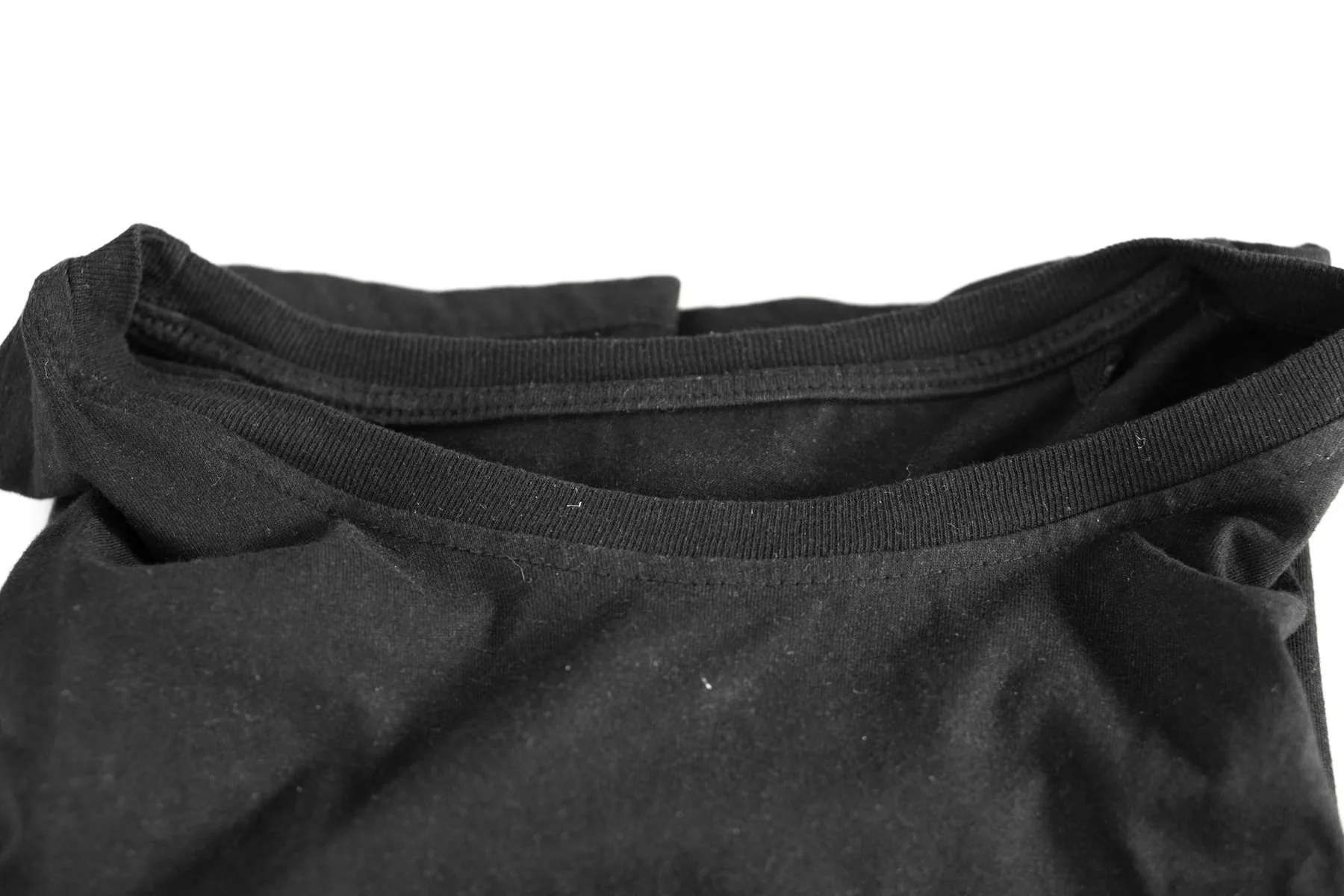
Pills are short broken fibres tangling on the surface. They look worse than they are, and removing them does not weaken the garment.
| Method | Cost | Risk | Best for |
|---|---|---|---|
| Fabric shaver | Low | Low if held flat | Large areas |
| Pumice or sweater stone | Very low | Moderate on fine knits | Heavy knits |
| Disposable razor | Nothing | High — easy to cut | Small patches only |
| Sticky tape | Nothing | None | Very light pilling |
Prevention is easier: pills form where fabric rubs fabric, so washing inside out in a lighter load reduces them considerably.
Stiff, crunchy fabric
Usually salt from sweat and detergent residue, not the fabric itself failing. A stripping wash removes both.
- Wash with no detergent at all, warm, on a long cycle.
- Add white vinegar to the drum, not the softener drawer.
- Run a second rinse.
- Air dry and check the hand feel.
- If it worked, use less detergent from now on.
Overdosing detergent is the most common cause. More does not clean better; it leaves residue that stiffens fabric and traps the oils that cause odour, as our gym clothes care guide explains.
Stretched collars, cuffs and waistbands
This is the one people most want to fix and the one that genuinely cannot be. Elastane degrades irreversibly, and heat is what does it.
A hot rinse and a hot dryer cycle will tighten a collar very slightly by shrinking the surrounding fabric. It does not restore the elastic, it looks uneven, and it damages whatever elastane remains.
| Symptom | Cause | Prognosis |
|---|---|---|
| Collar no longer sits flat | Elastane in the neckband is dead | Terminal |
| Waistband slides down | Elastic has lost recovery | Terminal |
| Cuffs bell outward | Same | Terminal |
| Whole garment looser but even | Fabric relaxed, not elastic | Often recoverable |
Cracked prints
A screen print is a layer of plastic bonded to the fabric. Once it cracks the bond has broken, and there is no home repair that restores it.
- Stop the spread: wash inside out, cool, and never tumble dry.
- Do not iron the print, even through a cloth.
- Accept it or retire it — patches read worse than cracks.
- Buy differently next time: smaller prints crack far less.
Which print methods survive washing is covered in our workout t-shirt guide, and why large graphics behave differently is in the guide to wearing kit outside the gym.
Repairs genuinely worth doing
A short list, but each takes minutes and buys months.
| Problem | Fix | Time |
|---|---|---|
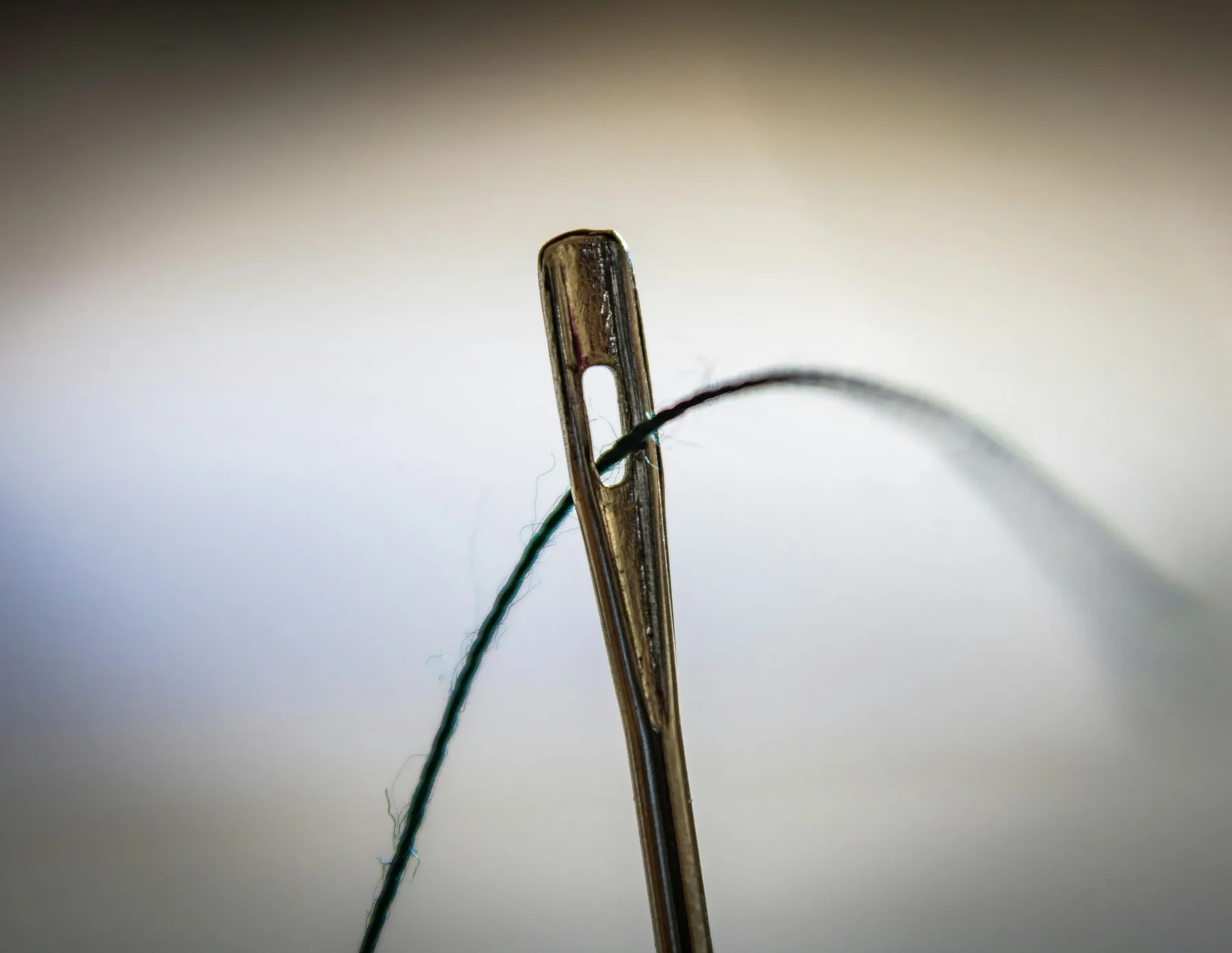
| Small seam split | Backstitch by hand, matching thread | 10 minutes |
| Loose drawcord | Knot the end, or re-thread with a safety pin | 5 minutes |
| Hole at the hem | Ladder stitch from the inside | 15 minutes |
| Snagged thread | Pull through to the inside, do not cut | 1 minute |
| Frayed sleeve edge | Narrow hem, or leave it | 20 minutes |
General textile care and mending guidance is published by UGA Cooperative Extension, which is a public university service rather than a product manufacturer.
Preventing most of it
Nearly everything in this article traces back to two habits, and both are free.
| Damage | Real cause | Prevented by |
|---|---|---|
| Shrinkage | Heat | Cool wash, air dry |
| Dead elastane | Heat | Cool wash, air dry |
| Cracked print | Heat and flexing | Inside out, cool, air dry |
| Pilling | Fabric rubbing fabric | Inside out, lighter loads |
| Stiffness | Too much detergent | Use less than the label says |
Heat appears in three of those five rows. If you change one thing after reading this, stop putting training kit in the tumble dryer — it is the single largest cause of premature failure in activewear.
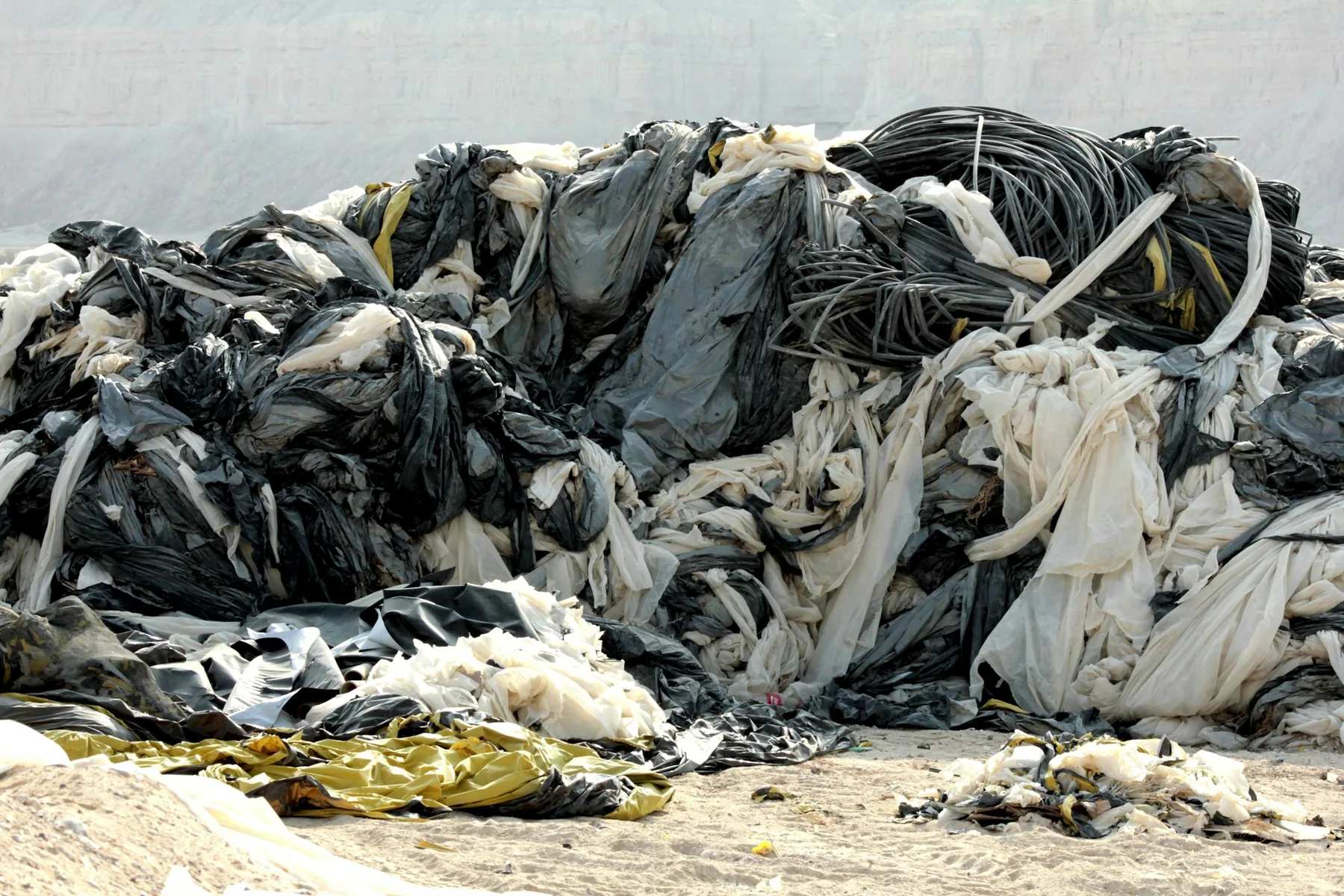
There is a second reason to bother with any of this. Activewear is almost entirely synthetic, which means a garment thrown out early does not break down in any useful timeframe.
Getting an extra year out of five tops is a larger environmental saving than most of the sustainability claims printed on the label, and it costs nothing but a cooler wash and a drying rack.
The habit worth building is checking kit as it comes off, not as it goes on. A seam starting to open, a snagged thread or the first pills are all trivial to deal with at that point and irreversible three washes later.
The short version
- Shrinkage in cotton is usually reversible; in polyester it is not.
- Pilling is cosmetic and takes five minutes to remove.
- Stiffness is residue — strip it and use less detergent.
- Dead elastane is terminal. Do not waste effort on it.
- Cracked prints cannot be repaired, only slowed.
When a garment really is beyond repair, what to do with it is a separate question — our guide to activewear at the end of its life covers recycling, donation and disposal.
Frequently asked questions
Can you unshrink gym clothes?
Often, if they are cotton or a cotton blend. Soak in lukewarm water with a little hair conditioner for around thirty minutes, press the water out in a towel, then stretch gently to shape and dry flat. Polyester shrinks by heat-setting rather than fibre relaxation, and that change is permanent.
How do you get rid of pilling on workout clothes?
A fabric shaver is the safest and fastest option, held flat against the fabric. A sweater stone works on heavier knits, and sticky tape handles very light pilling. Removing pills does not weaken the garment, since they are broken surface fibres rather than structural damage.
Can a stretched collar be fixed?
No. A collar that no longer sits flat means the elastane in the neckband has degraded, and that is irreversible. Hot water and a dryer cycle will tighten the surrounding fabric slightly, but the result is uneven and it damages whatever elastic remains.
Why do my gym clothes feel stiff and crunchy?
Usually salt from sweat plus detergent residue rather than the fabric failing. Run a wash with no detergent at all and white vinegar in the drum, then a second rinse. If that fixes it, the cause was overdosing detergent, so use less in future.
Can you repair a cracked print on a shirt?
Not at home. A screen print is a plastic layer bonded to the fabric, and once it cracks the bond has failed. You can slow the spread by washing inside out and cool and never tumble drying, but the only real fix is buying smaller prints next time, which crack far less.